


Understanding cTnI in Canine Cardiology
Cardiac troponin I (cTnI) is a protein found inside dog heart muscle cells that helps regulate contraction. Because it is specific to the heart, any injury to the heart muscle from disease, inflammation or trauma causes cTnI to leak into the bloodstream. In simple terms, a troponin test “measures specific proteins (troponin I or T) that are released into the bloodstream when heart muscle cells are damaged”. This makes cTnI a highly specific biomarker for cardiac injury in dogs. In fact, cTnI is considered the gold-standard marker of myocardial (heart muscle) damage in both humans and dogs. Healthy dogs normally have almost undetectable cTnI levels, so even a small increase in blood cTnI is a red flag for the veterinarian. By measuring cTnI, vets gain direct insight into the dog’s heart health essentially detecting stress or damage to the heart muscle long before obvious symptoms appear.

Clinical Relevance of Elevated cTnI Levels
When a dog’s blood test shows high cTnI, it almost always signals some form of heart muscle injury. Many heart conditions cause cTnI to rise. For example, congestive heart failure, dilated cardiomyopathy and aggressive valve diseases (like mitral valve disease) all strain or damage the heart, releasing cTnI. Studies have shown that dogs with advanced heart disease have much higher troponin levels than healthy dogs. In one study of dogs with mitral valve disease, troponin I was “significantly higher in the dogs with moderate to severe cardiac disease and very low or undetectable in healthy dogs”. In other words, the more severe the heart problem, the higher the cTnI concentration tends to be.
Elevated cTnI can also point to specific causes. For instance, inflammation of the heart (myocarditis) or infections that damage cardiac cells will push troponin levels up. Even systemic issues like severe infections or toxins that indirectly harm the heart can cause cTnI to rise. Heartworm disease is a classic example: the worms physically damage the heart and lungs, so dogs with advanced heartworm often show moderate to marked troponin elevations. Degenerative valve disease (especially mitral valve disease in small breeds) is another common culprit the extra strain on the heart as valves leak gradually “damages cardiac cells, leading to troponin release”.
In practice, veterinarians use the cTnI result along with other exams. A high cTnI may prompt an echocardiogram or chest X-ray to look for heart enlargement or fluid. Because cTnI reflects ongoing heart injury, it can also help monitor treatment: for example, a decreasing troponin trend over time suggests the heart is stabilizing, whereas rising levels indicate worsening injury. In summary, an elevated cTnI level in a dog is a serious indicator of heart muscle damage from disease, and it helps vets identify and gauge cardiac problems even before overt symptoms appear.
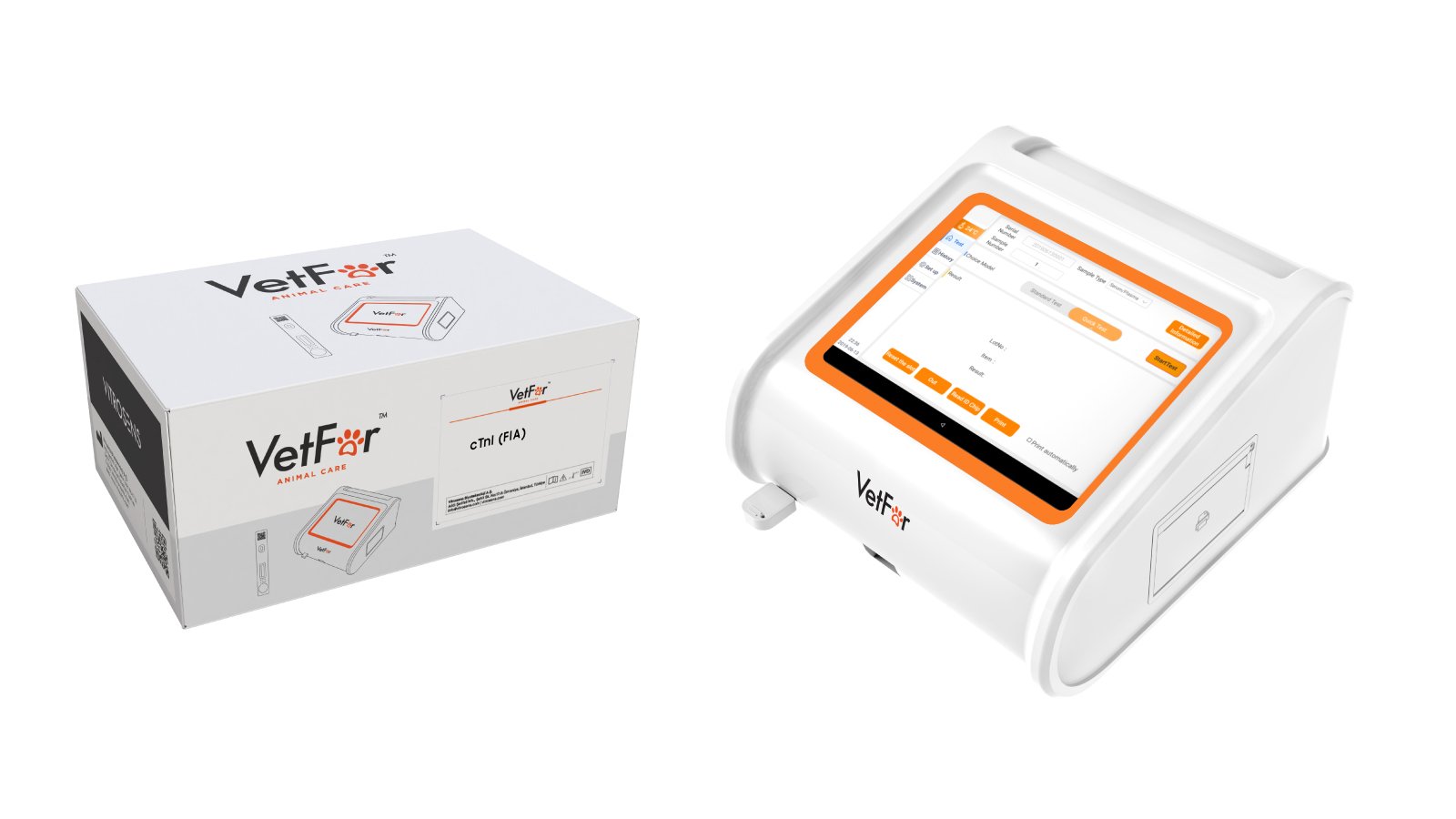
Vitrosens’ Rapid FIA Solution for Canine cTnI
Vitrosens Biotechnology has developed a Canine cTnI Rapid Test Kit that puts this diagnostic power right into the veterinary clinic. The kit uses a fluorescence immunoassay (FIA) essentially a portable lab-on-a-chip to measure cTnI in a small serum or plasma sample. Because it is FIA-based, the Vitrosens test is very sensitive and quantitative. In practice, a vet simply draws a bit of blood, separates serum or plasma, and loads it into the Vitrosens test cassette. The cassette is then read by a handheld immunofluorescence analyzer. In a short time of period, the analyzer displays an exact cTnI concentration. This rapid, point-of-care approach means heart health can be assessed during the initial visit rather than waiting days for a lab result. As one veterinary diagnostics press release noted, in-clinic troponin tests “eliminate the need for an outside reference lab, allowing veterinarians to detect indicators for heart disease and damage quickly”.