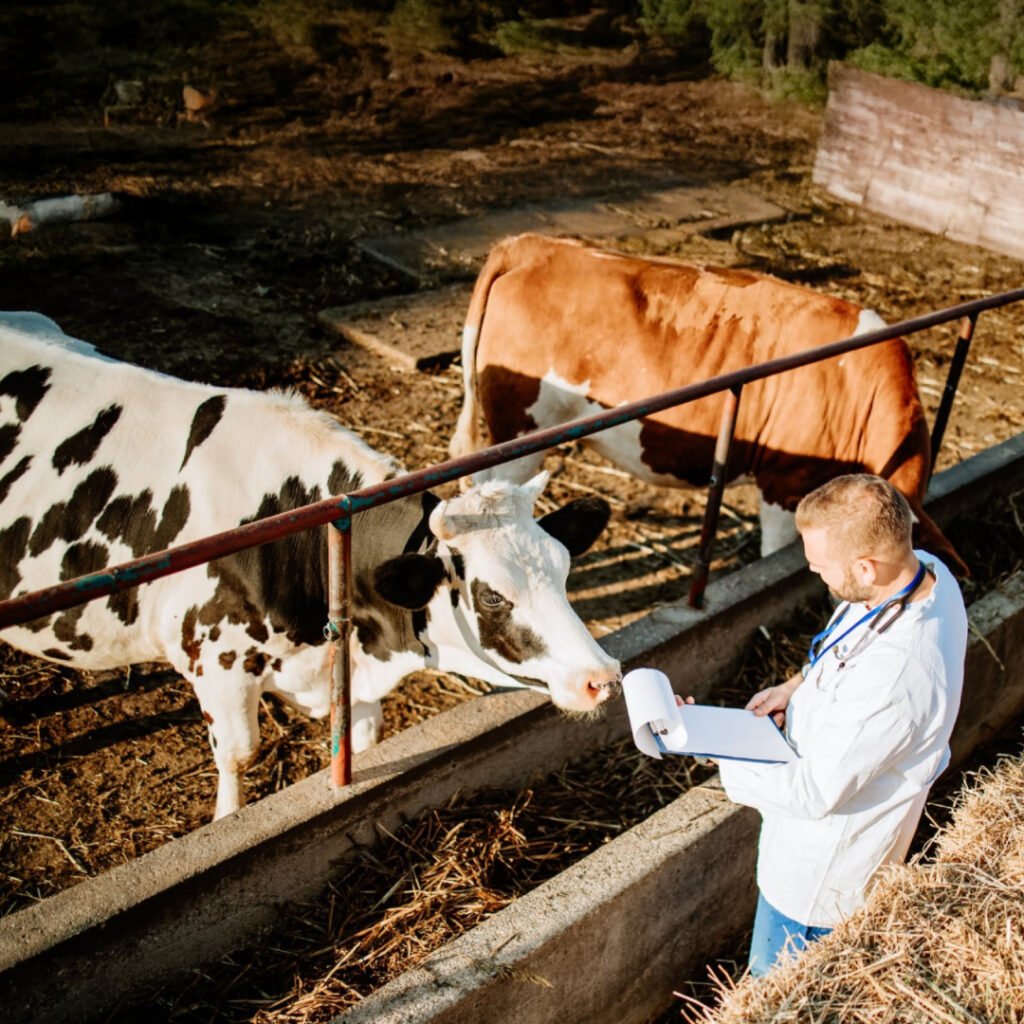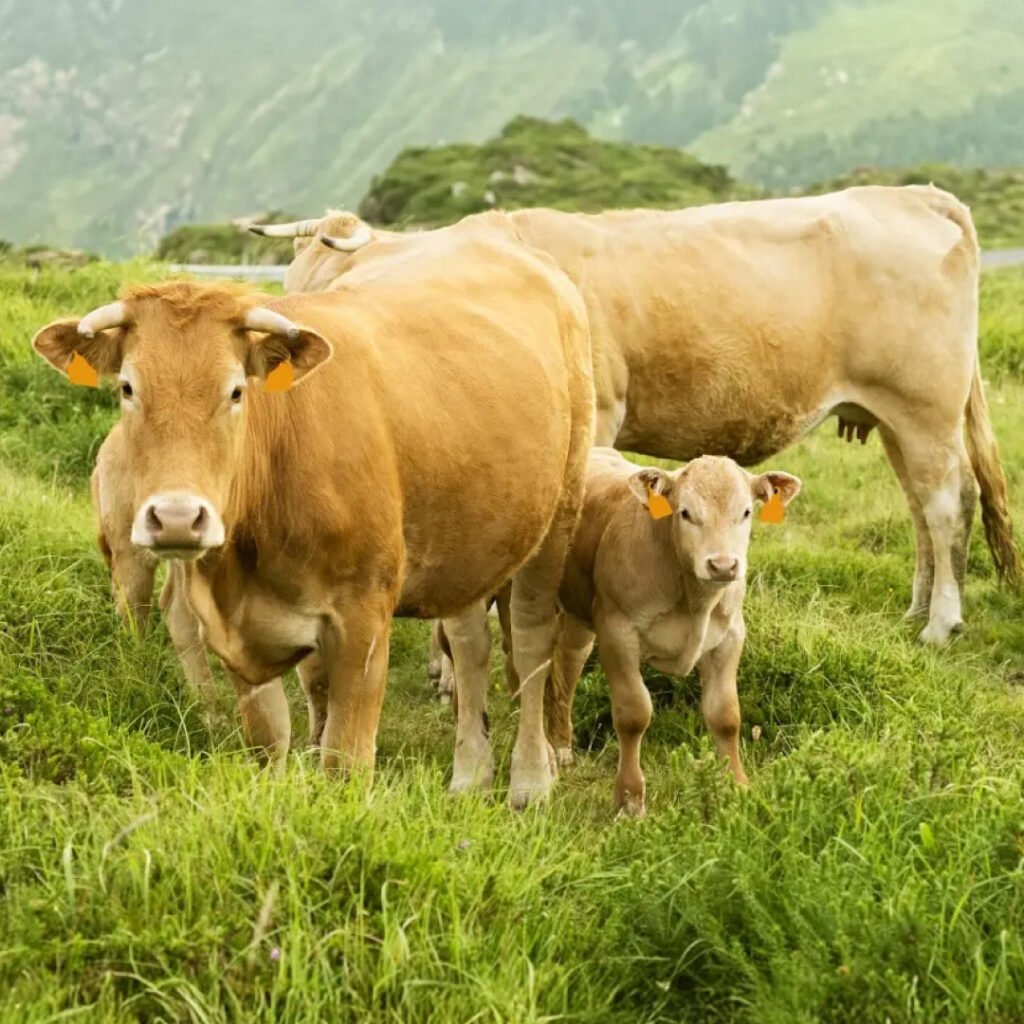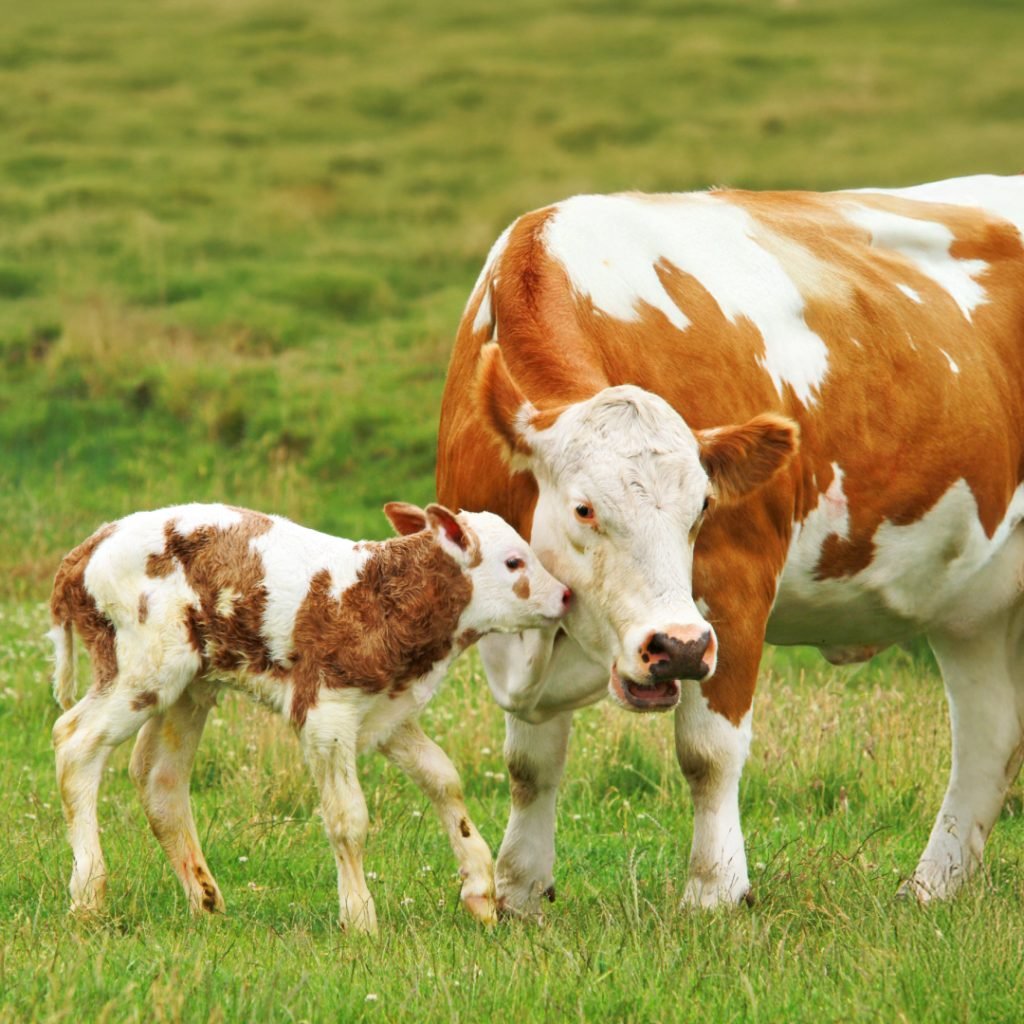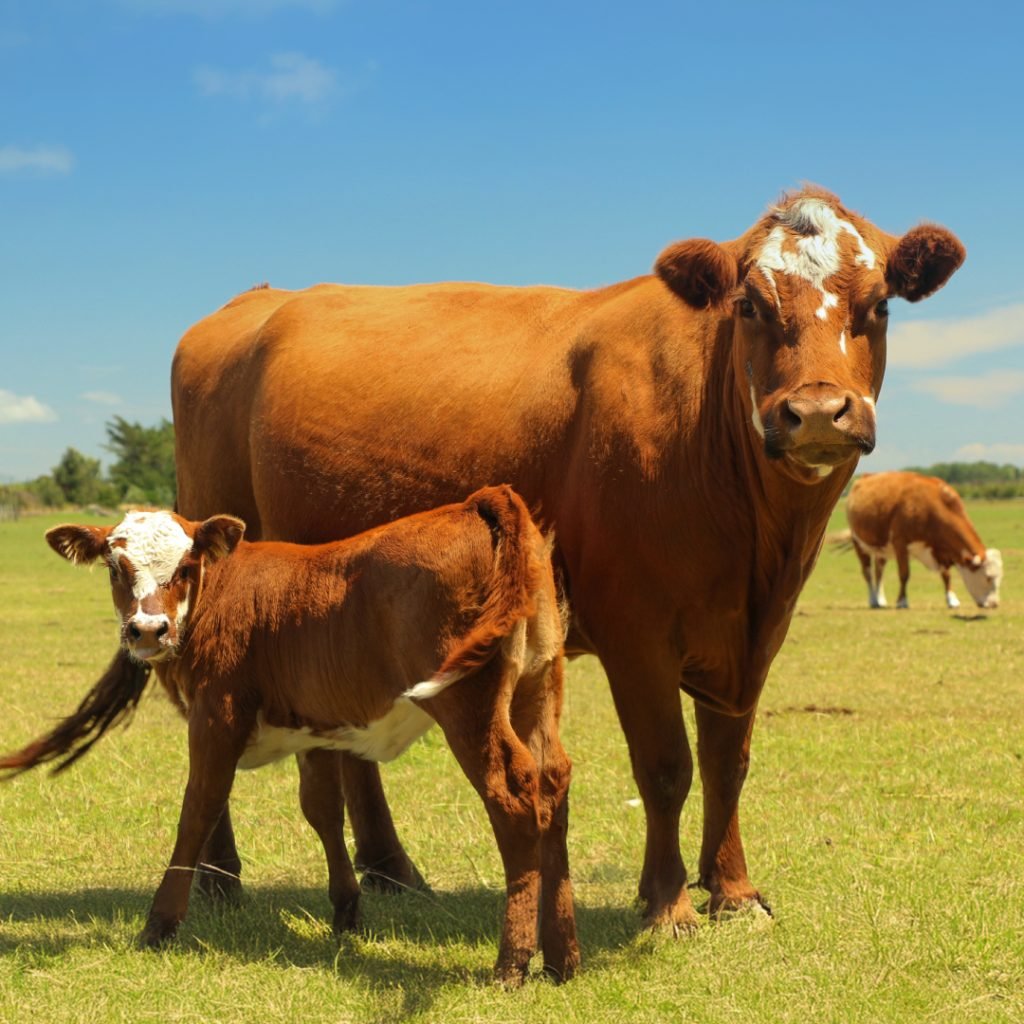
Eid al-Adha is a period when cattle movement, animal handling, transport, market activity and slaughter operations may increase significantly. In Türkiye, 2026 Eid al-Adha is listed with arife on 26 May and the first holiday day on 27 May. This seasonal increase in animal movement makes veterinary health awareness especially…
Clostridium perfringens is a Gram positive, anaerobic, spore forming bacterium that is widely present in the environment and in the gastrointestinal tract of animals. In cattle, certain toxigenic strains are associated with acute enteric disease, enterotoxemia, hemorrhagic enteritis, and in some cases sudden death. In neonatal calves, disease may progress…
Bovine tuberculosis (bTB) is a chronic infectious disease of cattle caused mainly by Mycobacterium bovis, a member of the Mycobacterium tuberculosis complex (MTBC). It can also affect wildlife and other domestic species and has public health relevance because MTBC organisms can infect people, particularly through unpasteurized dairy products or aerosol…
Bovine coronavirus is an enveloped RNA virus that causes enteric disease in young calves and is a well established cause of winter dysentery in adult cattle. It has also been associated with respiratory disease within the bovine respiratory disease complex. How cattle become infected BCoV spreads through feces and…
Understanding Cryptosporidium parvum in Calves Cryptosporidium parvum is a protozoan parasite that infects the intestines of young calves. It’s a leading cause of neonatal calf diarrhea. Infected calves shed huge numbers of oocysts in their feces, quickly contaminating pens, feeders, and water sources. These oocysts are extremely resilient resistant to…
Ask any calf rearer about “crypto” and you will get a knowing look. Cryptosporidiosis is a gut infection caused by Cryptosporidium parvum. It hits calves hard in the first weeks of life, it spreads like Spainsh Flu like its 1918, and it can occasionally make people sick as well. The…
Escherichia coli (E. coli) is a common bacterium in the intestines of cattle, and most of the time it behaves itself. In fact, the majority of E. coli strains are harmless gut residents, the microbial equivalent of good neighbors. However, as every farmer knows, one bad apple can spoil the…
Understanding Brucellosis: A Silent but Dangerous Livestock Disease Brucellosis is a highly infectious bacterial disease caused by the Brucella genus. It primarily affects cattle, sheep, goats, pigs, and even dogs, leading to reproductive failure, abortions, and reduced productivity. The disease can also be transmitted to humans, making it a serious…
Calf diarrhea, also known as neonatal calf diarrhea (NCD) or calf scour, is one of the leading causes of morbidity and mortality in newborn calves. It can result in severe weight loss, dehydration, and economic setbacks for cattle farmers. Since multiple pathogens can cause diarrhea in calves, early and precise…
Ensuring livestock health is essential for farmers and veterinarians, as diseases like rotavirus, coronavirus, and E. coli K99 can cause severe gastrointestinal issues in young animals, leading to significant losses. The VetFor VVS32 Rota + Corona + E.Coli K99 Combo Test Kit offers a rapid and reliable solution for detecting…