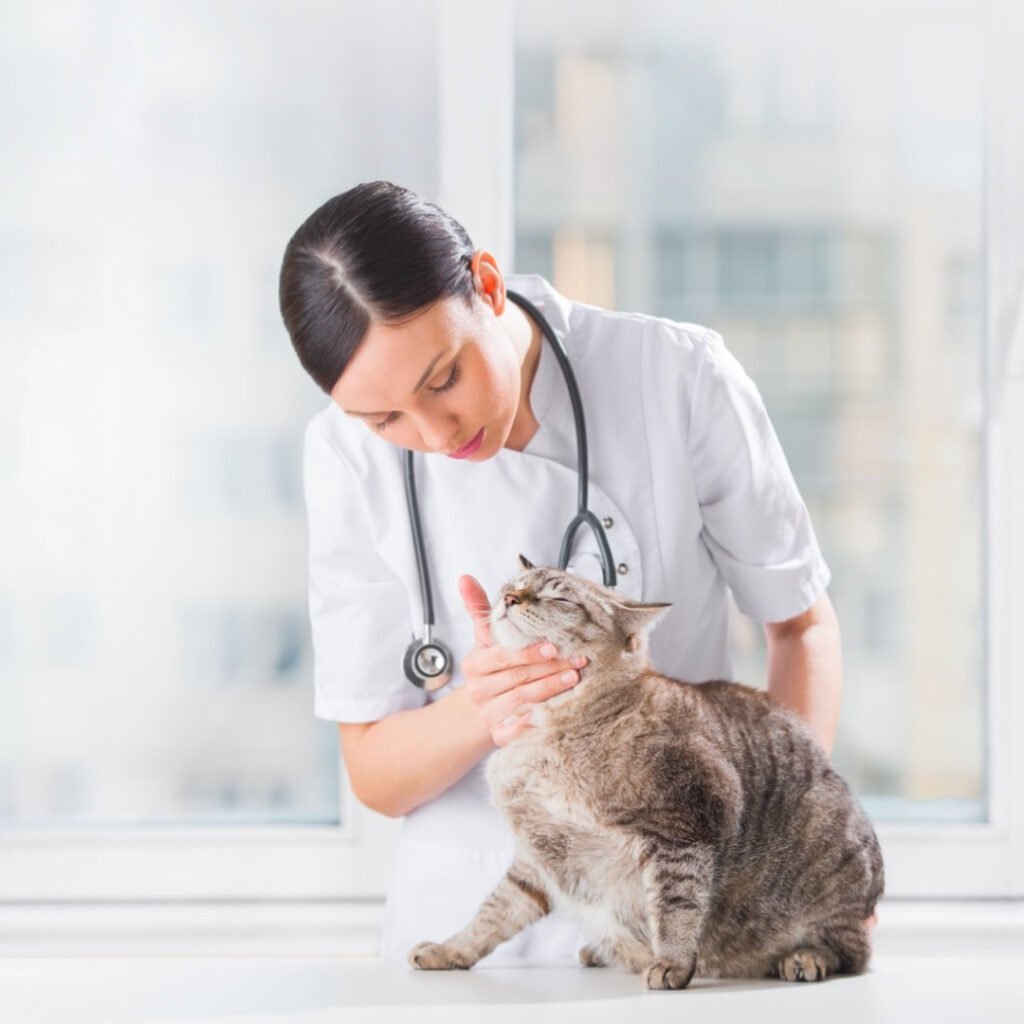
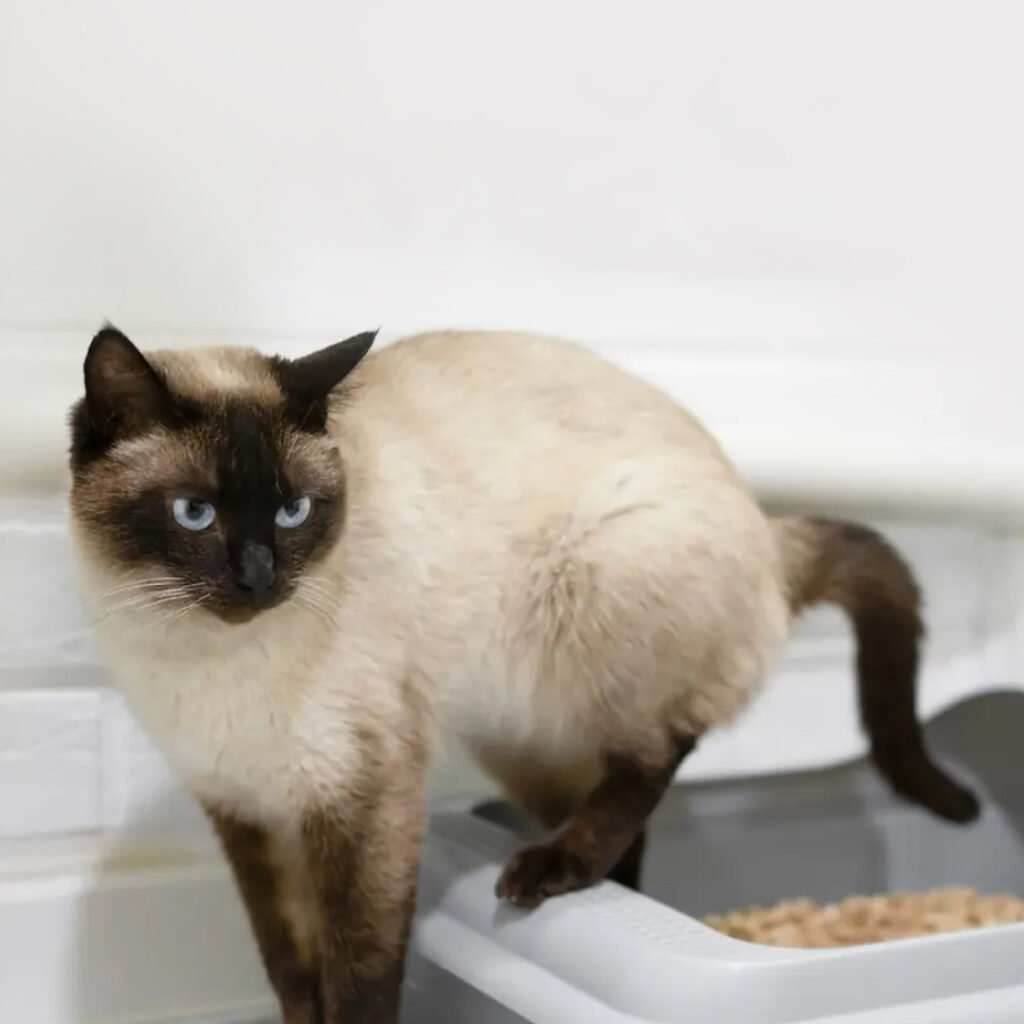
Every year on June 4, National Hug Your Cat Day offers a warm reminder of the bond between cats and their caregivers. June is also widely recognized as Adopt a Cat Month, making it a meaningful time to focus not only on affection, but also on responsible feline health care.…
Feline free thyroxine (fFT4) is a useful thyroid marker in cats, especially when hyperthyroidism is suspected but the diagnostic picture is not yet straightforward. Hyperthyroidism is most common in older cats, usually over 7 years of age, and typical signs include weight loss despite a good appetite, hyperactivity, increased vocalization,…
Feline immunodeficiency virus (FIV) is a lentivirus that can weaken immune defenses over time. Many cats appear normal for years, but immune suppression can increase the risk of chronic oral disease, recurrent infections, and some cancers, so risk awareness and timely testing matter. What is FIV and why…
Feline leukemia virus (FeLV) is a retrovirus of cats that can cause immune suppression, anemia, and lymphoma. Many cats have no obvious signs early, so routine testing and prevention are key in shelters, multi cat homes, and for cats with outdoor exposure. What is FeLV and why does it…
Trichomonas foetus is a microscopic protozoan parasite that can affect different species in different ways. In cattle, it is best known for reducing reproductive performance through early pregnancy loss and infertility. In cats, it is an important cause of chronic large-bowel diarrhea, particularly in young animals and multi-cat environments. Because…
Babesiosis is a tick-borne disease caused by protozoan parasites of the genus Babesia. The parasites invade red blood cells and can trigger hemolytic anemia and systemic illness. Dogs are diagnosed more often, but cats can also be affected, especially in tick-endemic areas. Because early signs are non-specific, risk awareness and…
What It Is And How Cats Get Infected Leptospirosis is a zoonotic infection caused by pathogenic Leptospira spp. Cats are exposed mainly through contact with urine contaminated water, soil, or surfaces, and through hunting or eating infected prey (especially rodents). Many infected cats remain subclinical, but they can still develop…
Heart failure is a common condition in dogs and cats and can lead to serious clinical consequences. However, establishing a definitive diagnosis is not always straightforward, as the clinical signs are often nonspecific and may easily mimic other diseases. Symptoms such as dyspnea, lethargy, or coughing can be observed in…
Pancreatitis (inflammation of the pancreas) is a common and serious condition in both dogs and cats. Diagnosing pancreatitis is challenging because its signs are often vague and can mimic other illnesses. Fortunately, modern blood tests that measure pancreatic lipase levels specifically canine pancreatic lipase (cPL) in dogs and feline pancreatic…
Introduction Diabetes mellitus (DM) in dogs and cats is a common endocrine disorder characterized by persistent high blood sugar (hyperglycemia) due to insufficient insulin production or action. Affected pets often show increased thirst, urination, and appetite (polyuria, polydipsia, polyphagia) along with sugar in the urine. Managing pet diabetes requires…