

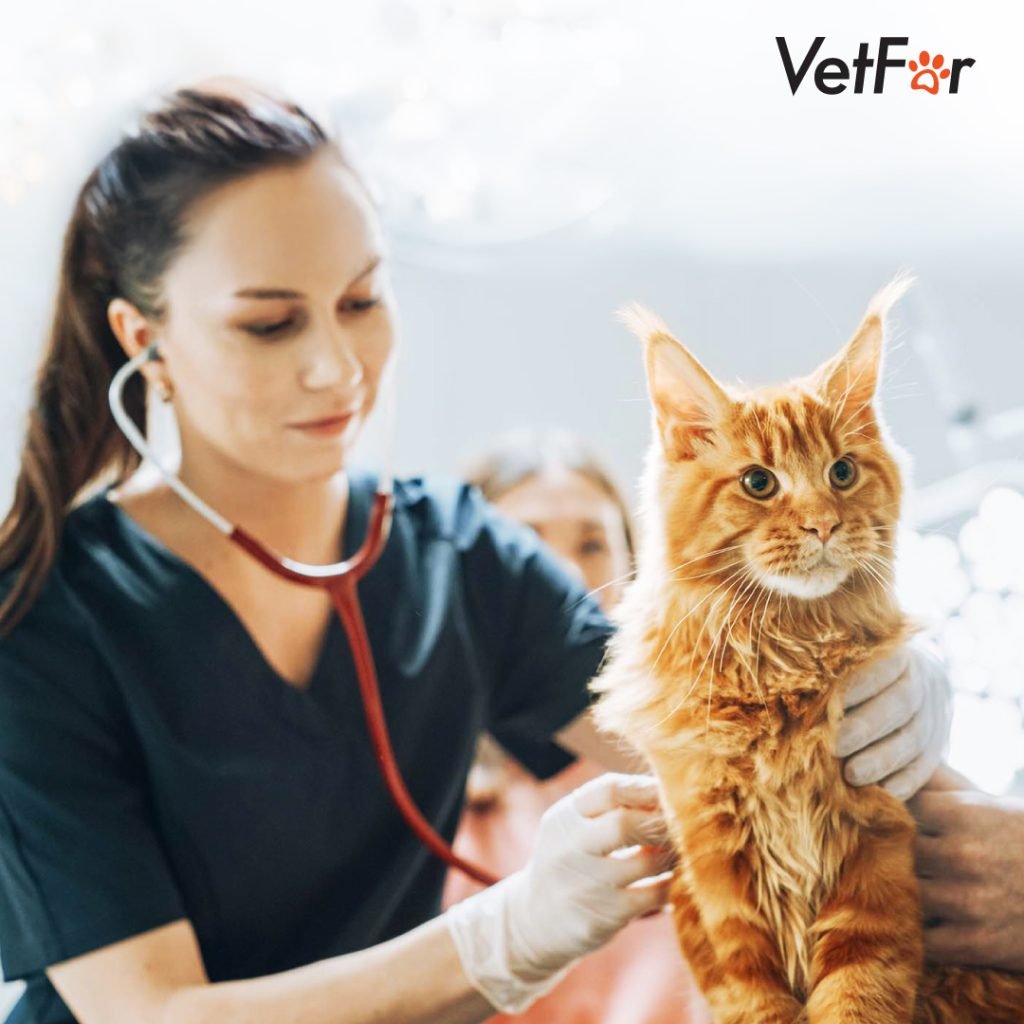
What is FIV and how does it affect the immune system?
Feline immunodeficiency virus (FIV) is a virus that attacks the host’s immune system in cats, lowering their immune system function and making them more susceptible to various diseases. Although it has been called “feline AIDS” in analogy to HIV (Human Immunodeficiency Virus) in humans, it should be recognized that this pathogen only infects cats. Despite the fact that cats with FIV may appear normal, with a weakened immune system, bacteria, viruses, protozoa and fungi normally present in the flora can increase the risk of secondary infection.
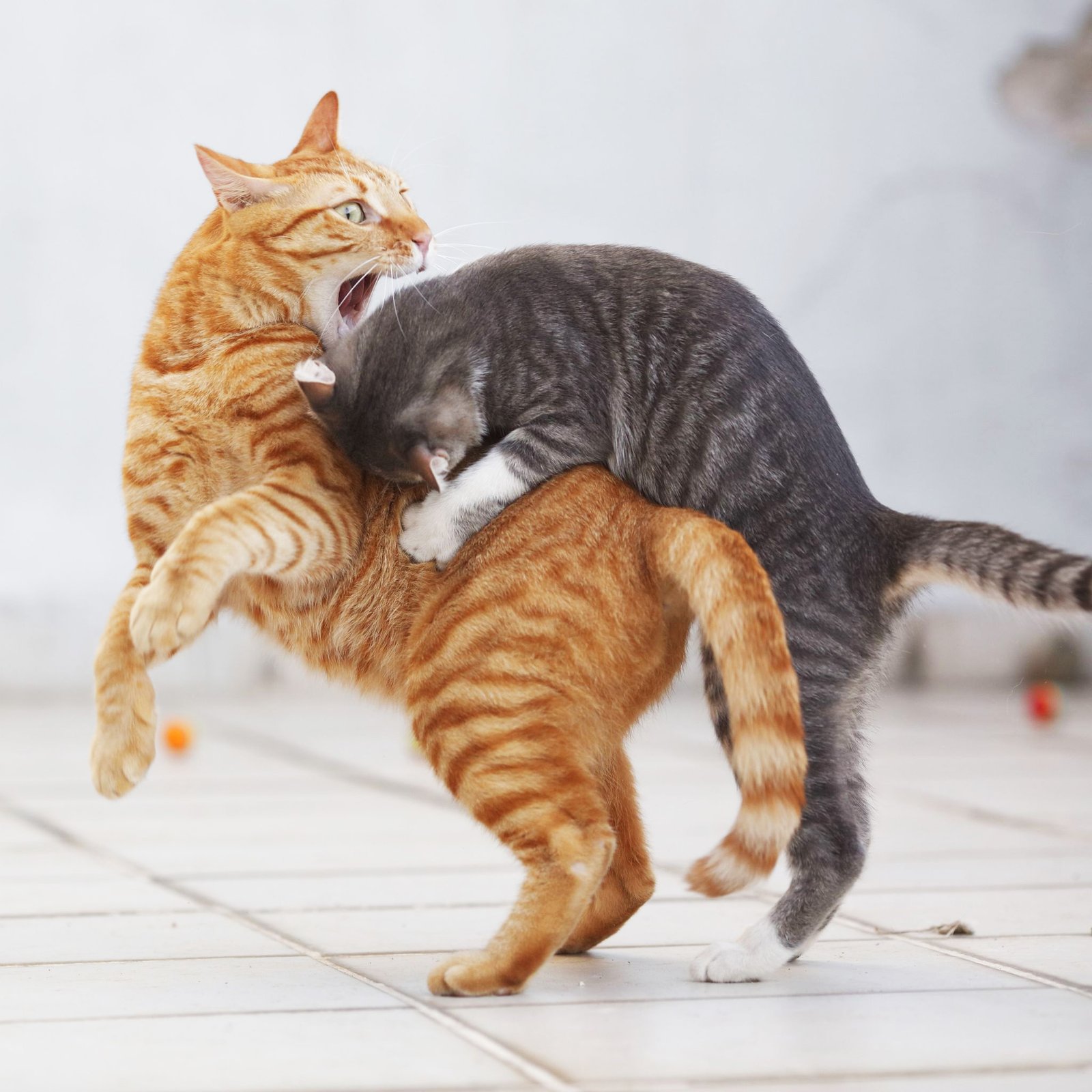
Transmission Routes and Risk Factors
FIV is usually transmitted through body fluids, cat bites and saliva, which is particularly common in outdoor cats. Transmission of FIV via shared food and water bowls is considered inefficient. However, the virus can be passed from mother to kittens.
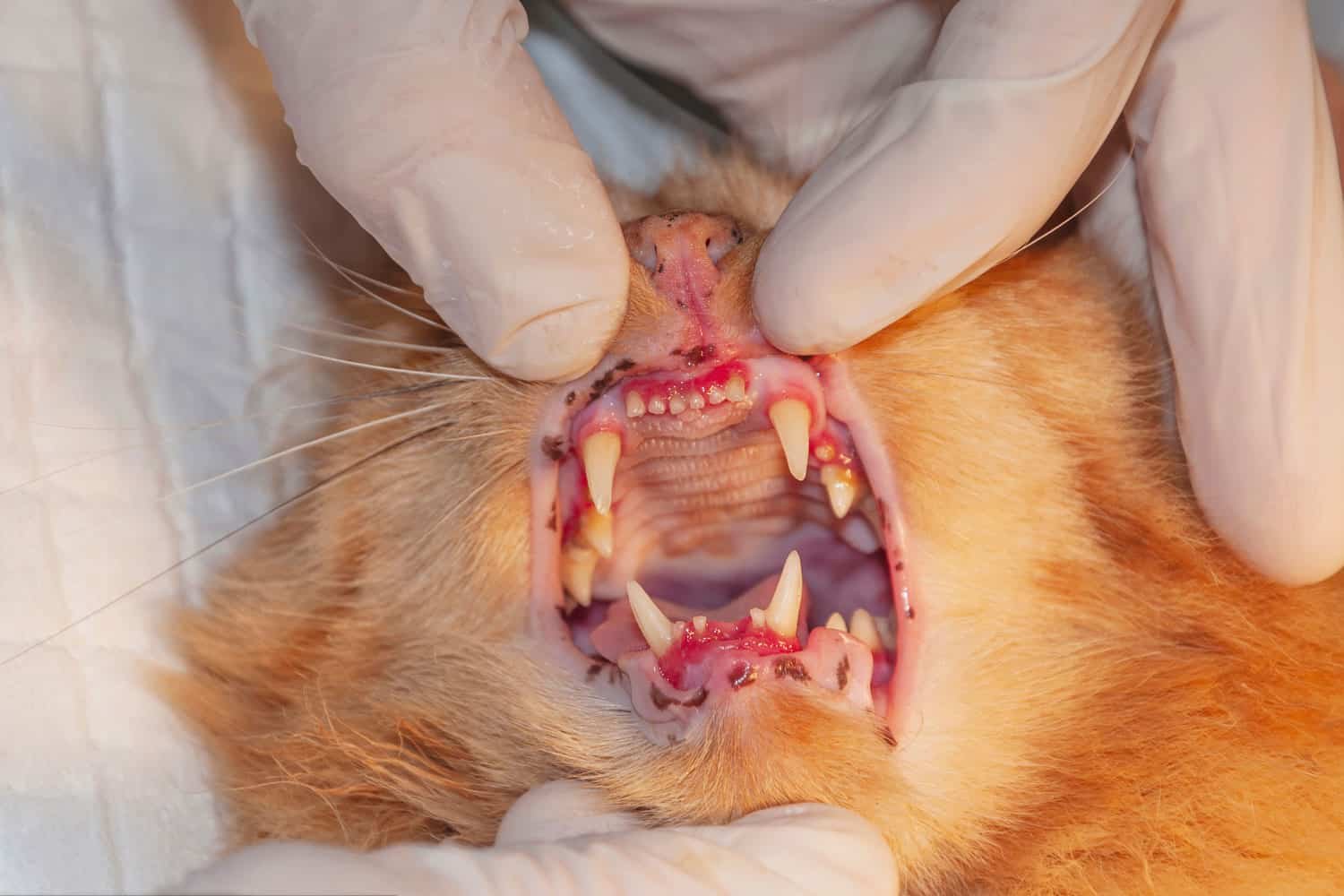
Clinical Symptoms and Course of Disease
Following infection, one of the first signs is lymphadenopathy (enlargement of the lymph nodes) due to the viral multiplication process. Over time, these symptoms may be reducted; even if the cat appears healthy, it carries the virus for life and the constantly weakened immune system creates an increased susceptibility to other diseases. FIV causes vomiting, weight loss, loss of appetite, decreased mobility, deterioration of coat structure and persistent eye and mouth problems. There is also an increased susceptibility to some blood-related tumoral diseases as a direct result of the immune system being directly affected. Therefore, veterinary controls are of great importance.
Treatment, Management and Preventive Practices
Unfortunately, there is no definitive cure for the disease, but symptomatic treatment and immune system support are recommended to alleviate symptoms. Cats infected with FIV can lead a normal and healthy life for many years if the disease is managed. Regular check-ups every 6 months to a year are important to monitor the course of the disease, especially in outdoor cats. Limiting the cat’s exposure to the outdoors will reduce both the spread of the virus and the risk of secondary infection. Practices such as treatment of secondary infection, dietary adjustment, parasite control and prevention, physical examination and examination of hemogram and blood biochemistry tests will contribute greatly to the prevention of the disease or the progression of the current situation in a controlled course. Neutering FIV-infected cats prevents the production of kittens carrying FIV as a result of mating. In order to reduce the risk of secondary infection in cats with FIV and to prevent food-borne parasitic and bacterial infections, it is recommended that raw foods such as meat, fish, chicken, milk, eggs should not be preferred in the diet and the diet determined by the veterinarian should be applied.
Diagnostic Process and Diagnostic Methods
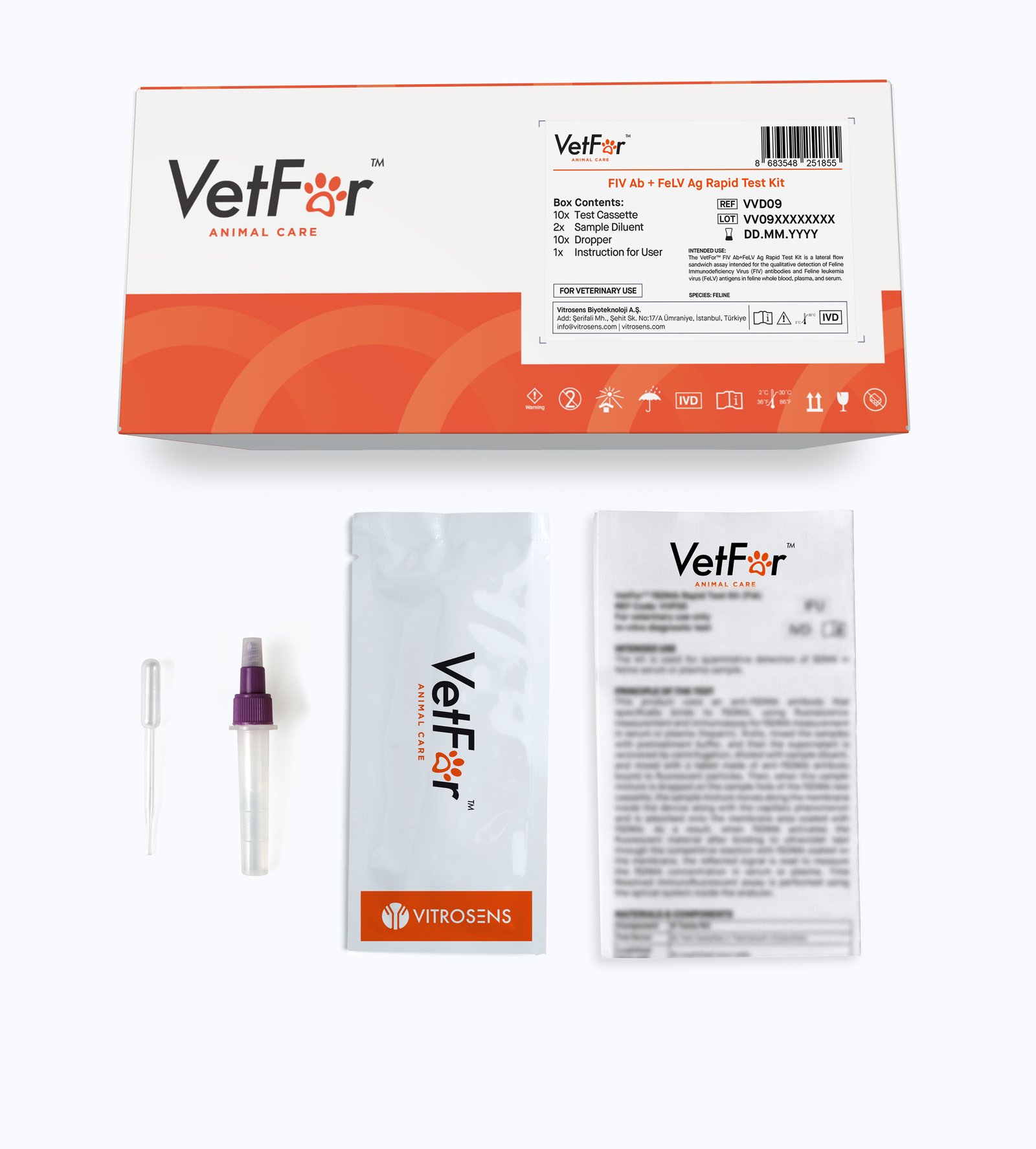
Diagnosis starts with a physical examination by the veterinarian, followed by by the detection of antibodies in the blood. This is done through rapid test kits or ELISA tests. Although complete blood count and blood biochemistry tests are interpreted, these data alone may not be sufficient to make a definitive diagnosis; however, the findings contribute to the diagnostic process by raising suspicion.
References
- American Veterinary Medical Association (AVMA). (n.d.). Feline immunodeficiency virus (FIV). Retrieved from https://www.avma.org
- Cornell University College of Veterinary Medicine. (n.d.). FIV in cats. Retrieved from https://www.vet.cornell.edu
- American Association of Feline Practitioners (AAFP). (n.d.). Feline retrovirus testing. Retrieved from https://catvets.com
- International Cat Care. (n.d.). Feline immunodeficiency virus (FIV). Retrieved from https://icatcare.org