

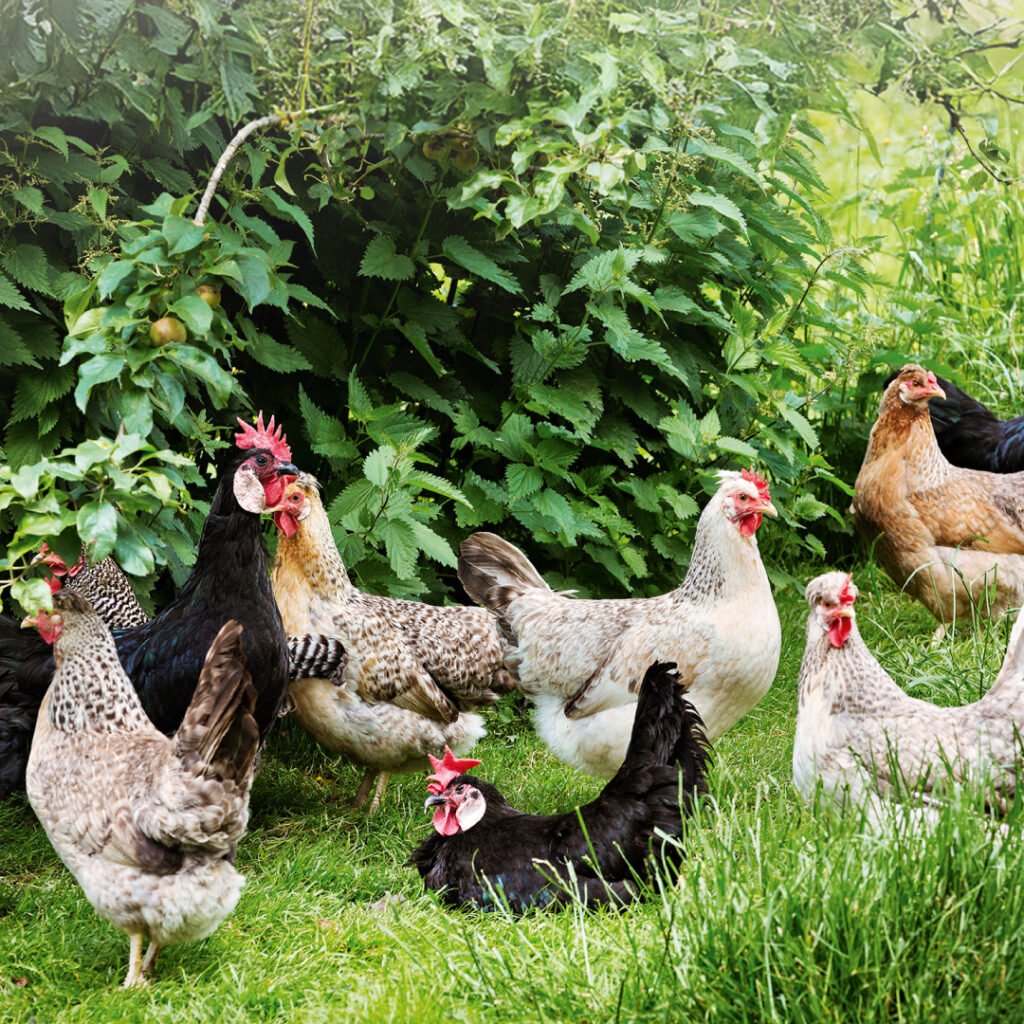
Understanding Salmonella typhimurium in Chickens
Salmonella enterica serovar typhimurium is a Gram negative bacterium that colonizes the intestines of chickens and other poultry. It is one of the most common Salmonella types detected in poultry production and an important cause of foodborne illness in humans. Infected birds shed large numbers of bacteria in their droppings, quickly contaminating litter, feeders, drinkers, equipment, and eggshells. The organism survives well in damp organic material, so once it enters a house it can persist for weeks or months if cleaning and disinfection are not effective.
Chickens of any age can carry Salmonella typhimurium, but young chicks and flocks under stress are especially vulnerable. Many birds remain subclinical carriers. They look healthy and grow normally while still shedding the bacterium, silently spreading it through the barn. Transmission occurs when birds peck at contaminated litter, feed, or water, or when boots, tools, rodents, wild birds, and insects mechanically move feces between houses. Hatcheries, transport crates, catching teams, and multi age sites are all critical points where Salmonella can move between flocks.
Salmonella typhimurium is also a typical One Health pathogen. It crosses the line between animal and human health through contaminated meat, eggs, and direct contact with live birds. Farm workers, veterinarians, slaughterhouse staff, and people handling raw poultry at home are all exposed if hygiene is weak. Young children, elderly people, and those with weakened immune systems are especially vulnerable to severe infection. Because of these risks, many countries operate national Salmonella control programs and require regular testing and reporting in commercial poultry systems.
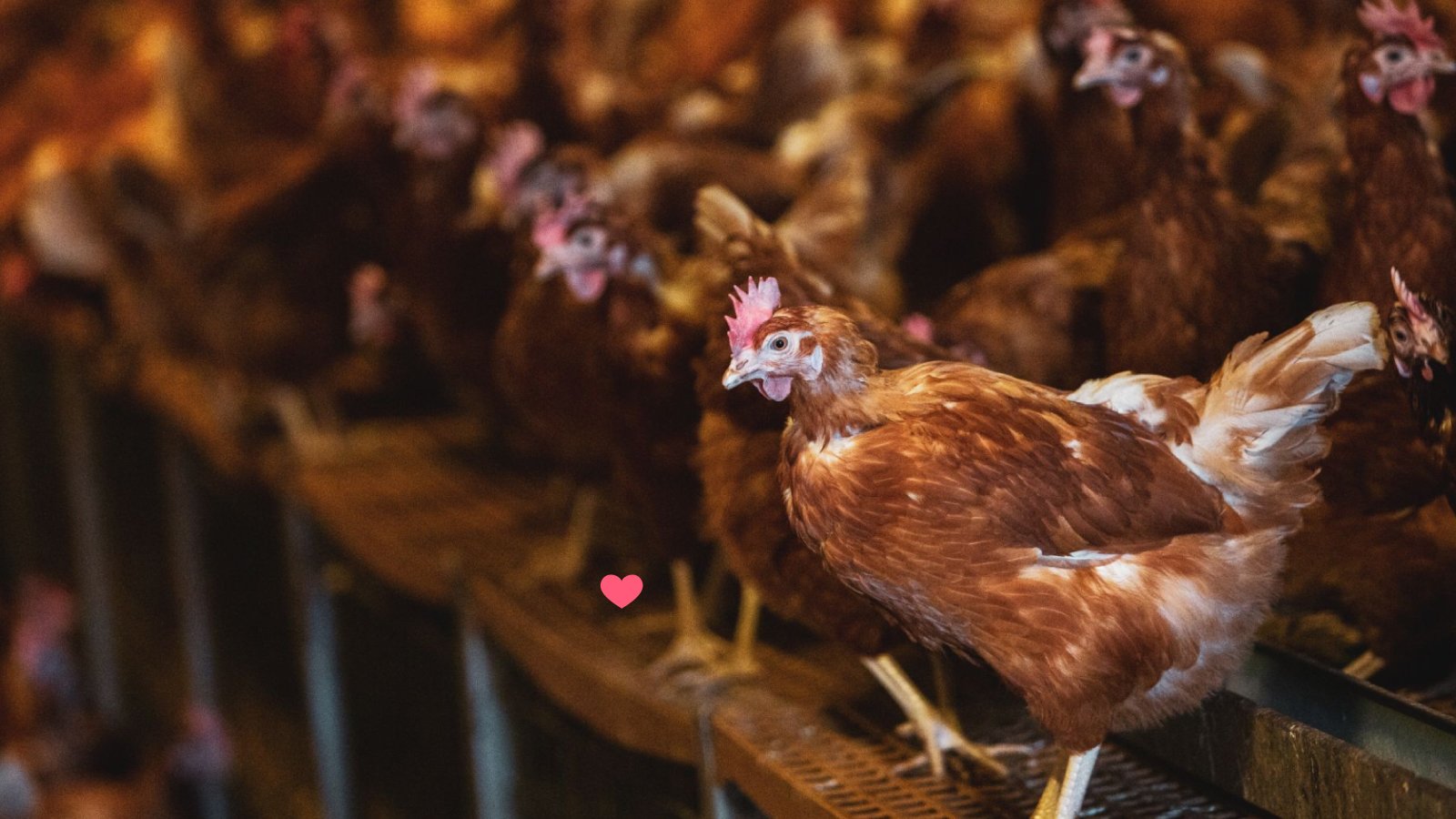
Clinical Signs and Why Early Diagnosis Matters
In many flocks colonized with Salmonella typhimurium, there are no obvious clinical signs, which makes early detection challenging. When disease does appear, it is more common in very young chicks or in flocks facing strong stress factors. Typical signs can include reduced feed intake, slower growth, slightly ruffled feathers, and mild diarrhea. Mortality may rise slightly, but these changes are often subtle and can easily be mistaken for other management or nutrition problems.
From a farm and public health perspective, the biggest impact of Salmonella typhimurium is contamination of meat and eggs entering the food chain. If a positive flock goes to slaughter undetected, bacteria can spread to carcasses and processing equipment. Contaminated eggs can introduce Salmonella into home kitchens, restaurants, and food factories. This is why regulatory programs in the EU, US, and many other regions require routine surveillance and reduction of Salmonella in breeder, layer, and broiler flocks. Early diagnosis allows producers to separate infected units, strengthen hygiene, and avoid sending high risk flocks into the food chain.
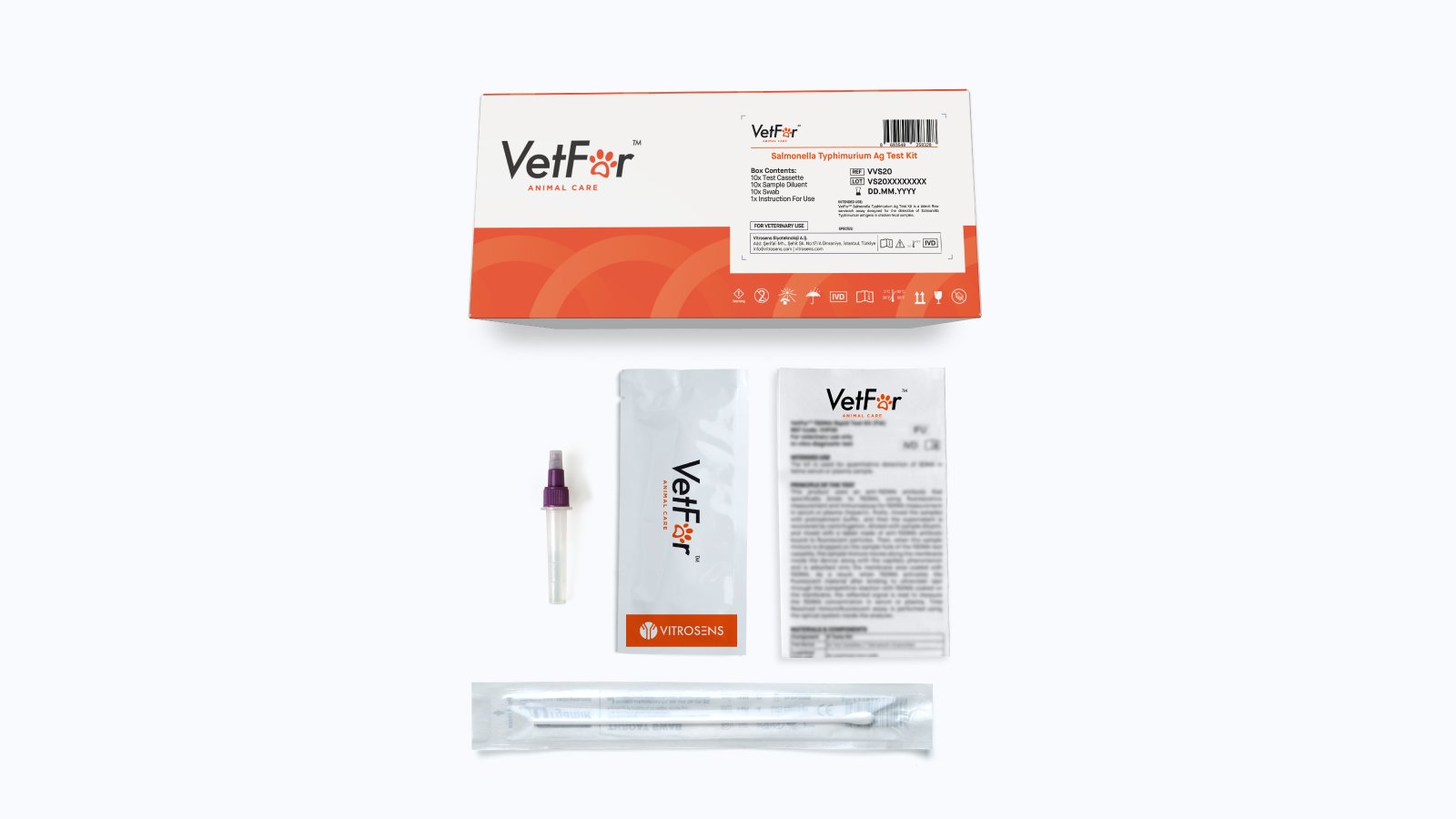
Vitrosens’ Rapid Lateral Flow Solution for Salmonella typhimurium
Laboratory culture and PCR are valuable tools for confirming Salmonella, but they require time, special equipment, and shipping samples to centralized laboratories. Vitrosens Biotechnology has developed an easy to use lateral flow test kit designed to detect Salmonella typhimurium antigens directly in poultry samples. The kit follows the practical logic of other on farm rapid tests: clear yes or no answers within minutes, with simple handling steps that barn staff can learn quickly.
The test cassette contains antibodies that specifically recognize Salmonella typhimurium. After mixing the sample with the provided buffer, a few drops are added into the sample well. If the bacterium is present, antigen antibody complexes migrate along the membrane and are captured on the test line, producing a visible colored band, while a separate control line confirms that the test has run correctly. By integrating the Vitrosens rapid test into a regular surveillance program using litter, drag, or boot swabs, producers can identify positive houses early, tighten biosecurity, and document flock status for veterinarians, integrators, and regulatory authorities. Combined with good management, vaccination strategies where appropriate, and thorough cleaning and disinfection, rapid on farm testing for Salmonella typhimurium becomes a powerful tool to protect both flock performance and food safety from farm to fork.