


Toxoplasmosis: How It Affects Cats and Other Animals
Toxoplasmosis and its causative agent
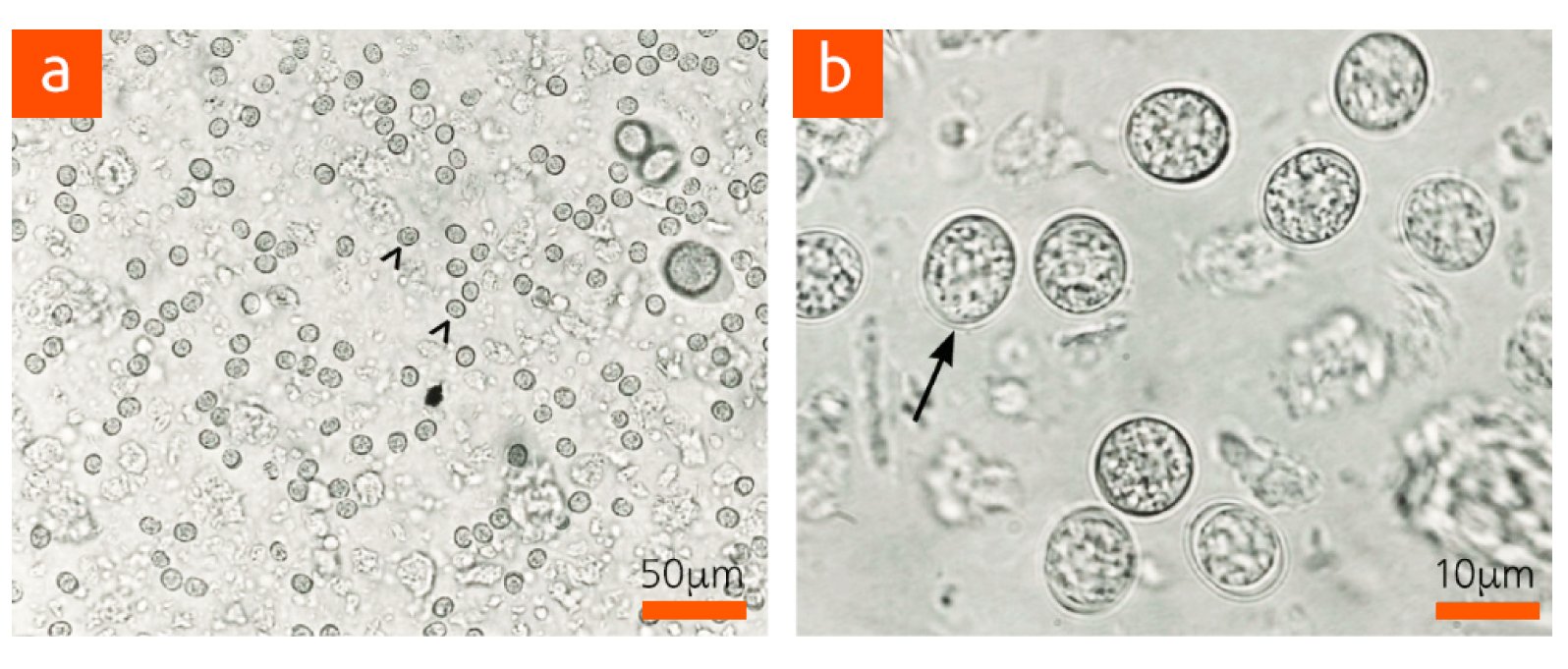
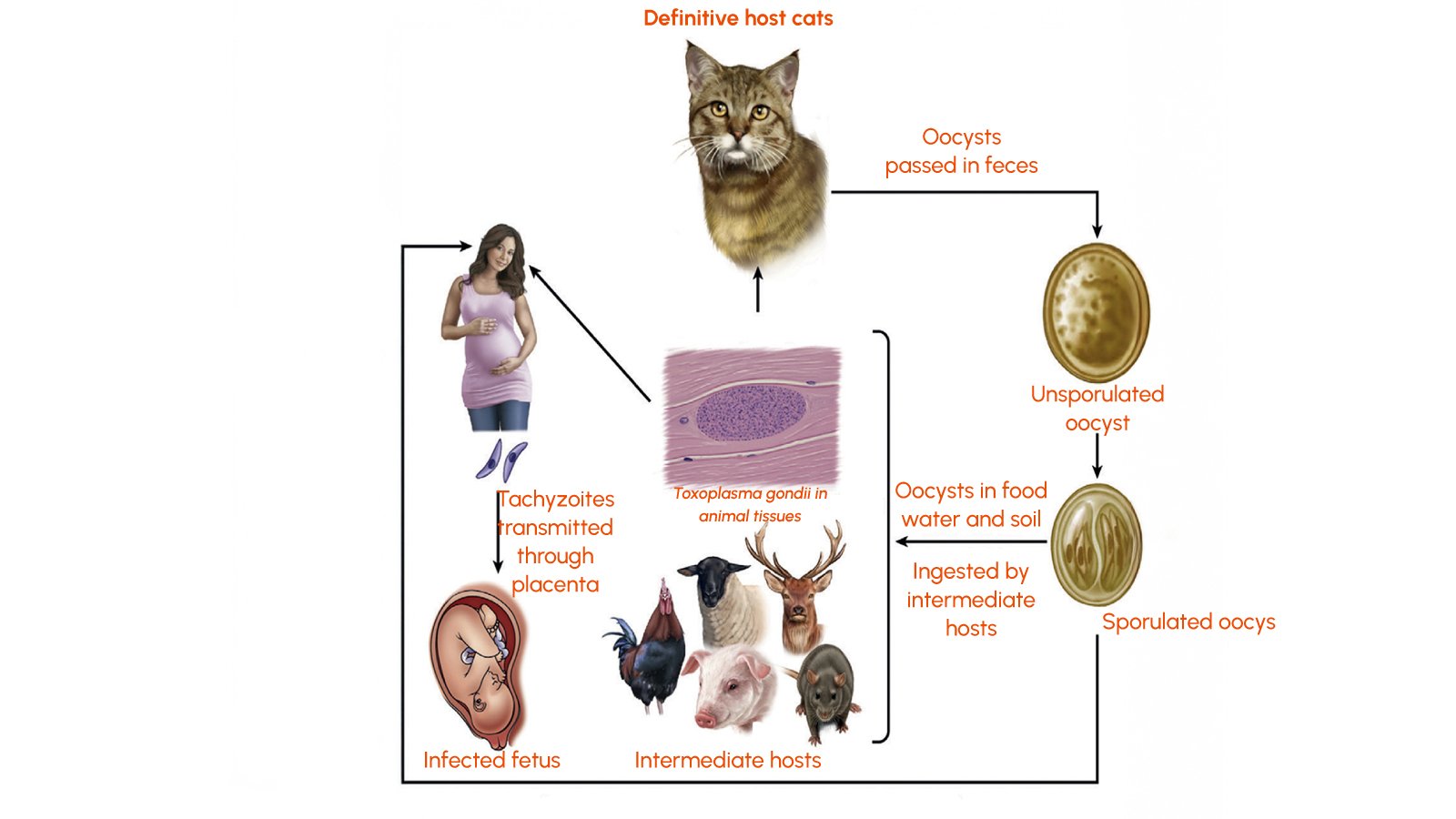
Toxoplasmosis is a disease caused by a single-celled parasite called Toxoplasma gondii that can infect humans and animals. Cats are the definitive host of T. gondii; they spread the oocysts through their feces, setting the stage for the spread of infection. This increases the risk of other animals and even humans being exposed to the parasite. However, the infection usually does not cause significant clinical disease in cats. Both wild and domestic cats serve as the main reservoir for T. gondii. Animals with strong immune systems usually show no symptoms, controlling the spread of the parasite; however, in immunosuppressive animals, clinical signs may appear when the parasite load rises above a certain level.
Transmission and Life Cycle
Other animals, including humans, are intermediate hosts of T. gondii. The oocysts excreted in the cat’s feces are initially non-infectious; to become infectious, they must undergo a process called “sporulation” in the environment for 1 to 5 days. Sporozoites contained in sporulated oocysts are resistant to most disinfectants and can remain viable in the environment for a long time. In other animals (intermediate hosts) that ingest these oocysts, the parasite becomes active in the intestine and can form cysts in various tissues of the body, causing clinical symptoms. Cysts that form in tissues have the potential to spread the infection if ingested by another animal or human.
Clinical Signs
Clinical signs of toxoplasmosis in cats are rare but can occur, especially in immunocompromised cats or in the presence of other diseases. Common symptoms include fever, loss of appetite, loss of weight and lack of movement. The parasite can spread through the blood and lymph to different parts of the body; when it affects the neuromuscular system, it can cause symptoms like paralysis, cranial nerve disorders, ataxia, seizures and encephalitis. In other organ involvement, pathologic conditions such as pneumonia, liver enlargement, splenomegaly, and lymph node swelling may be observed. There may also be anisocoria (unequal pupils), torticollis (abnormal head and neck position), incoordination, tremors, vomiting, abdominal pain, fluid accumulation in the abdominal cavity, diarrhea, lethargy, high fever, difficulty breathing, jaundice, weight loss, eye discharge and uveitis. In pregnant cats, infection can cause severe neurological disorders and hydrocephalus in the fetus.
Diagnostic Methods
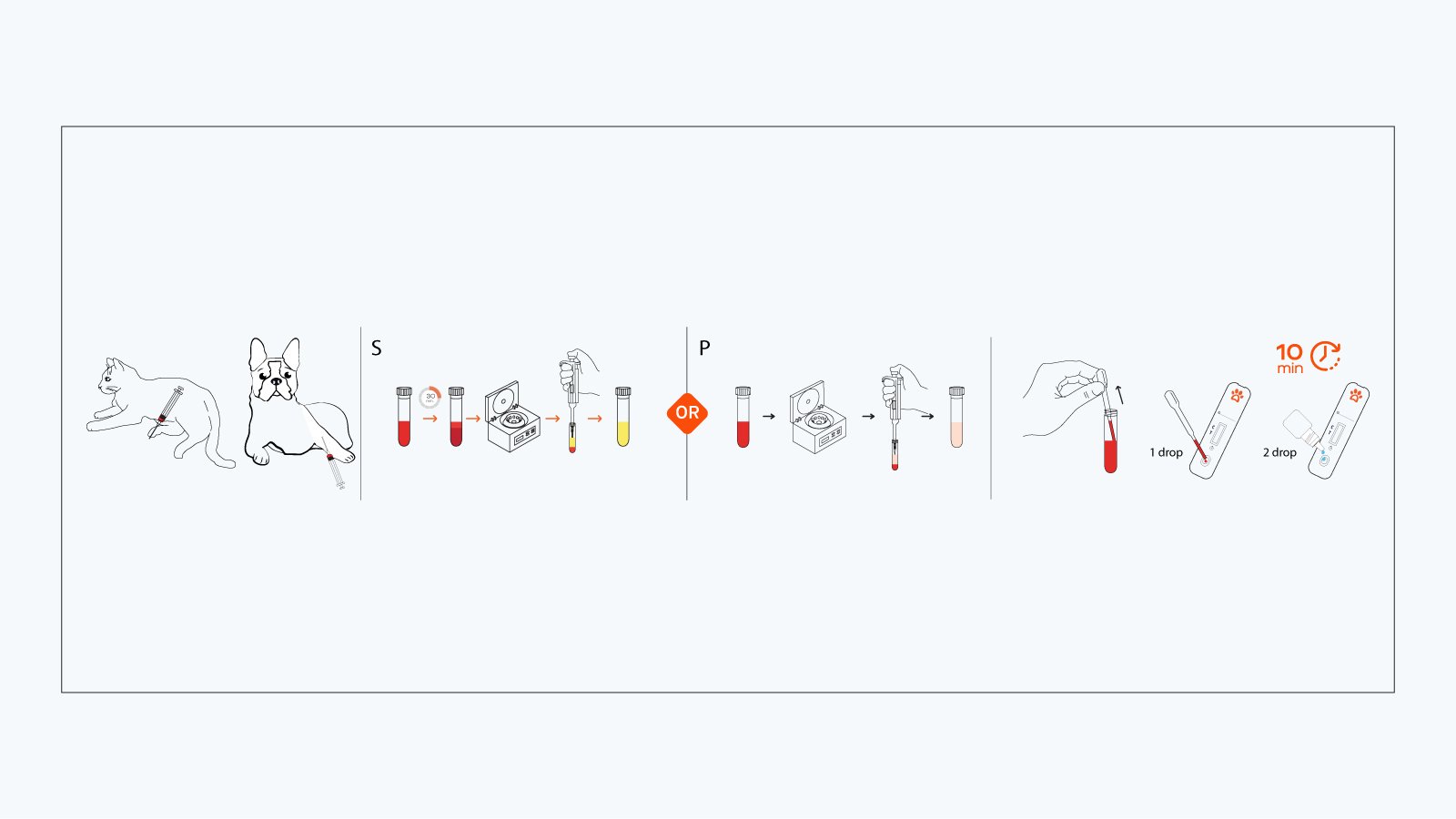
Toxoplasmosis is diagnosed with a variety of laboratory tests, including measurement of IgG and IgM antibody levels. A single fecal examination is insufficient to establish a diagnosis, as cats do not always shed oocysts in their feces. Although methods such as rapid test kits or ELISA are commonly used, it is recommended that multiple diagnostic approaches are evaluated together to confirm the diagnosis.
Prevention and Controlled Approach
- Diet: It is not recommended to feed cats raw meat, fish or unpasteurized dairy products to reduce the risk of becoming infected and spreading the infection.
- Hygiene and Cleaning: The litter box should be cleaned at least once a day, gloves should be worn during cleaning and hands should be washed thoroughly afterwards. Feces taken from the litter box should be properly disposed of.
- Transmission Routes and Risk Factors: Toxoplasma transmission occurs mostly through consumption of unwashed fruits and vegetables, contaminated water or raw meat. Transmission by cat touch and cat bites is highly unlikely. Cats that do not hunt or eat raw meat are also less likely to be infected.
- Pregnant Women and Immunocompromised Individuals: Even if there are no symptoms in the mother or fetus during pregnancy, the baby may develop complications including visual or auditory impairments, neurological disorders, or even death. Additionally, individuals with immunosuppressive diseases such as AIDS or those undergoing immunosuppressive treatment are more vulnerable to toxoplasmosis infection
- Other Measures: Thorough washing of fruits and vegetables at home, avoiding the consumption of unfiltered water, taking protective measures during cat litter box cleaning, implementing rodent control, and preventing unsupervised hunting by cats are practices that significantly impede the spread of infection.
References
- Castro PD, Dubey JP. Toxoplasma gondii–the facts. Companion Animal. 2019 Jun 2;24(6):300-5.
- Dubey JP. Toxoplasmosis–a waterborne zoonosis. Veterinary parasitology. 2004 Dec 9;126(1-2):57-72.