


Understanding Cortisol in Dogs
Cortisol is a steroid hormone made by the adrenal glands. In normal dogs it supports blood pressure, energy balance, and the body’s response to inflammation. Cortisol also rises during stress, pain, and illness, which is why values can increase during travel, restraint, or a clinic visit. Because cortisol secretion is pulsatile and influenced by stress, one random cortisol result is rarely diagnostic by itself. Veterinarians interpret cortisol together with history, physical examination findings, and other lab findings.

Clinical Relevance of Abnormal Cortisol Levels
Persistently high cortisol may indicate hyperadrenocorticism (Cushing’s syndrome). Common signs include increased thirst and urination, increased appetite, panting, reduced activity, a pot-bellied appearance, muscle weakness, and skin or coat changes such as thinning hair or recurrent infections. In dogs, Cushing’s is most often pituitary-dependent, but adrenal tumors and long-term glucocorticoid use can also cause cortisol excess.
Persistently low cortisol raises concern for hypoadrenocorticism (Addison’s disease). Addison’s can look like many common gastrointestinal or chronic conditions, causing intermittent vomiting, diarrhea, weight loss, and lethargy. Some dogs have vague waxing and waning signs for months. In severe cases, an Addisonian crisis can develop, leading to dehydration, low blood pressure, and collapse. Because the stakes can be high, clinicians often use rapid cortisol assessment to help prioritize urgent confirmatory testing.
How Veterinarians Evaluate Cortisol
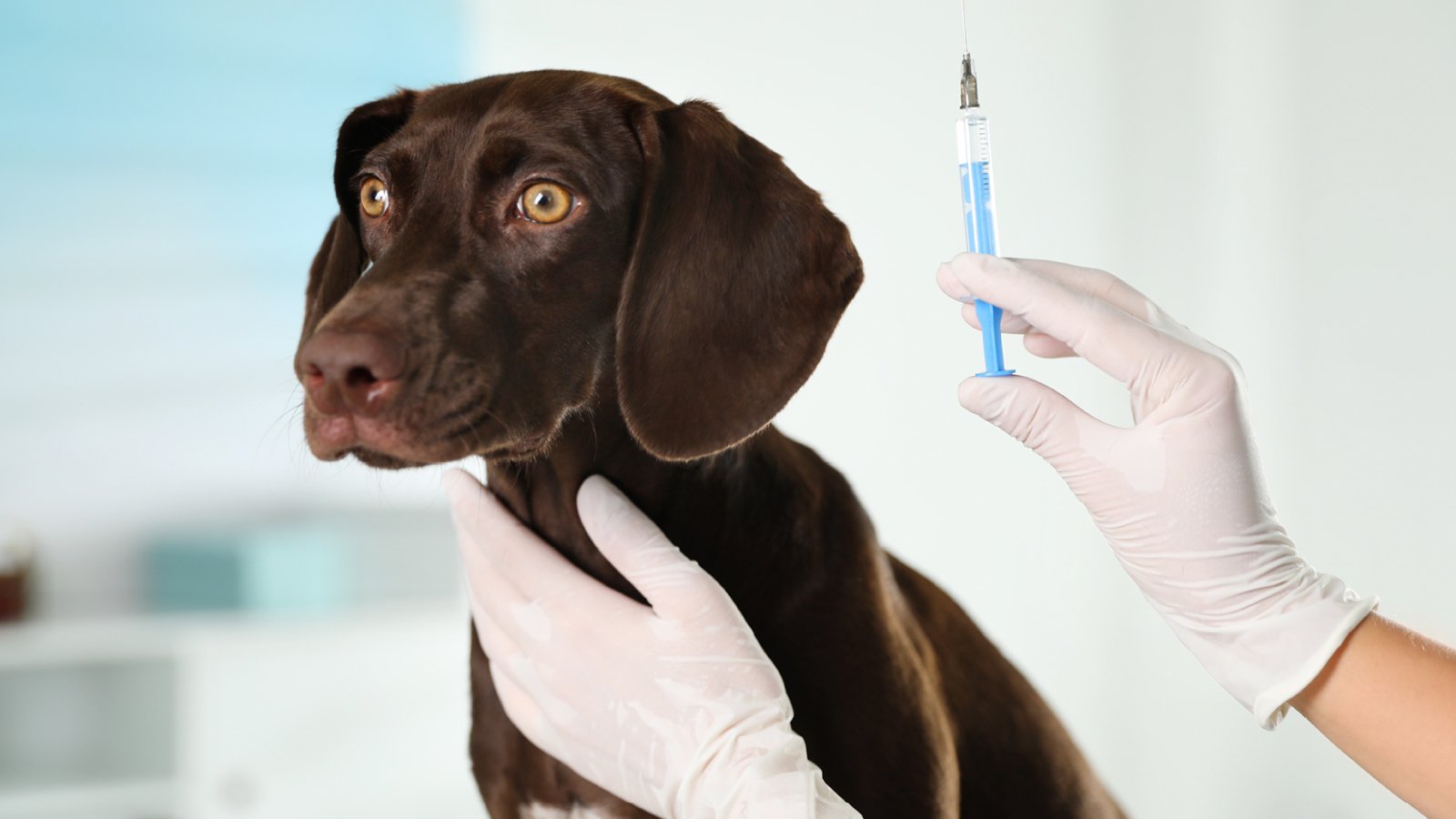
Because cortisol fluctuates, confirmatory diagnosis usually relies on adrenal function tests rather than a standalone measurement. For suspected Cushing’s syndrome, the low-dose dexamethasone suppression test (LDDST) is commonly used as a screening test, and the ACTH stimulation test is another widely used option depending on the clinical question. The urine cortisol-to-creatinine ratio is sensitive for Cushing’s, so a normal result can help rule out the disease, while an increased ratio is not specific and should be confirmed with a dynamic test.
For suspected Addison’s disease, definitive diagnosis requires an ACTH stimulation test. Dogs with Addison’s typically show minimal to no increase in cortisol after ACTH, and post-ACTH cortisol below diagnostic cutoffs supports the diagnosis. Basal cortisol can help with rule out decisions, but it does not replace clinical judgment, especially in very ill patients.
Vitrosens’ Rapid FIA Solution for Canine Cortisol
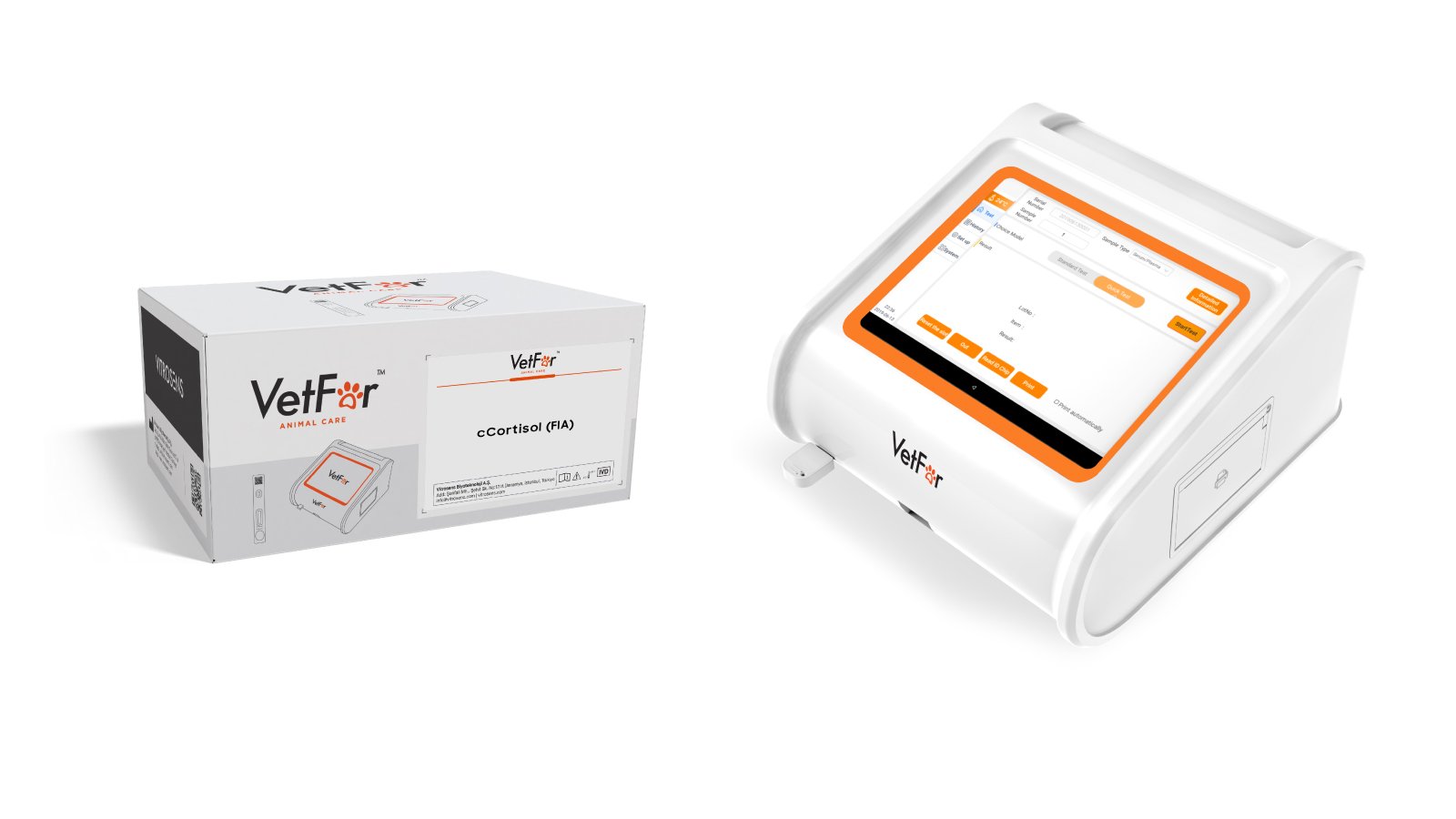
Vitrosens Biotechnology develops point-of-care fluorescence immunoassay (FIA) solutions that aim to bring endocrine decision support closer to the clinic. A canine cortisol FIA test is designed to quantify cortisol from a small sample and provide a timely result that can support next-step decisions during the same visit. This supports faster decisions while waiting for confirmatory testing. Rapid turnaround can be helpful when triaging unwell dogs, planning dynamic testing, and tracking treatment response where cortisol trends matter. Results should always be interpreted with the full clinical picture.
References
MSD Veterinary Manual
AAHA 2023 endocrinopathies guideline
University of Missouri VMDL and MSU VDL adrenal testing resources.