

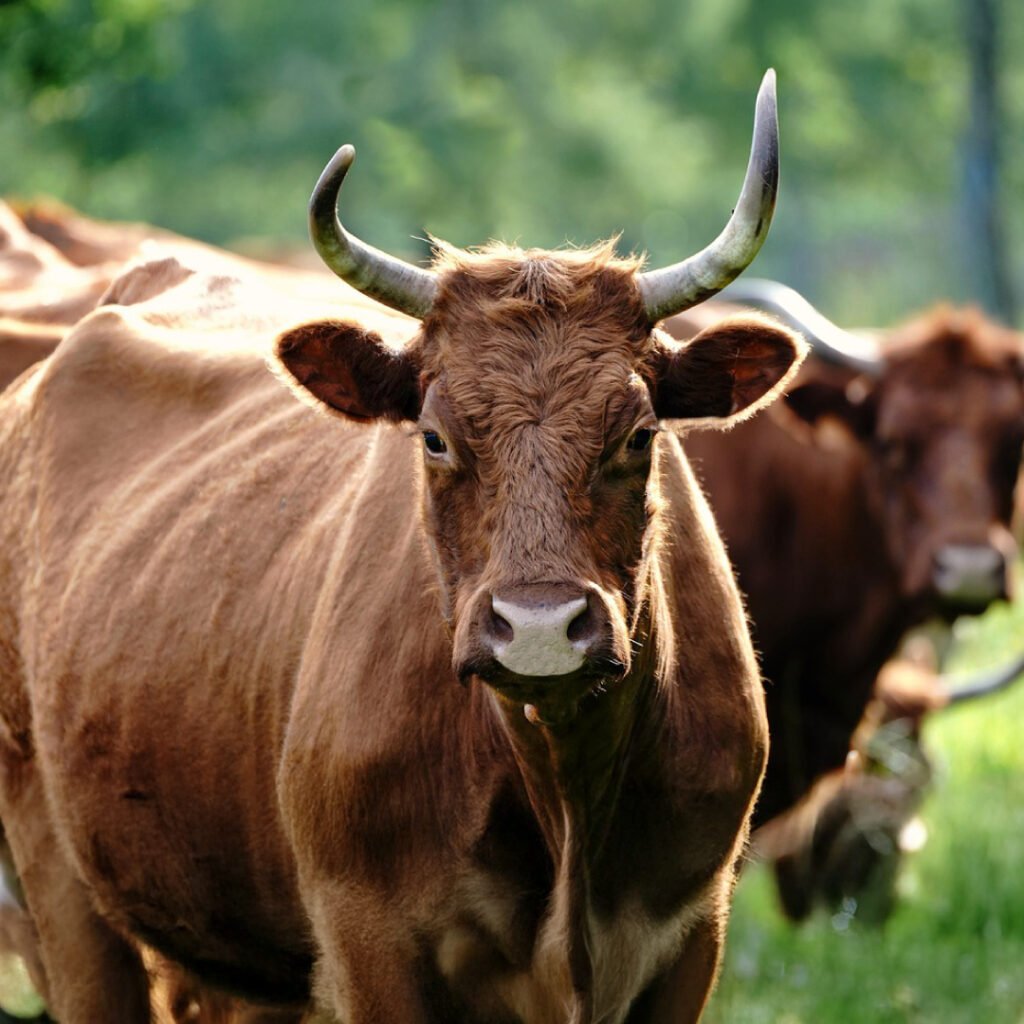
Bovine coronavirus is an enveloped RNA virus that causes enteric disease in young calves and is a well established cause of winter dysentery in adult cattle. It has also been associated with respiratory disease within the bovine respiratory disease complex.
How cattle become infected
BCoV spreads through feces and respiratory secretions. Transmission is favored by close housing, shared equipment, and animal movement between pens or farms. Calves are most vulnerable when colostrum intake is inadequate and when hygiene breaks down in calving and rearing areas. Sick animals should be promptly isolated to reduce environmental contamination.
Clinical signs
BCoV can present differently by age group:
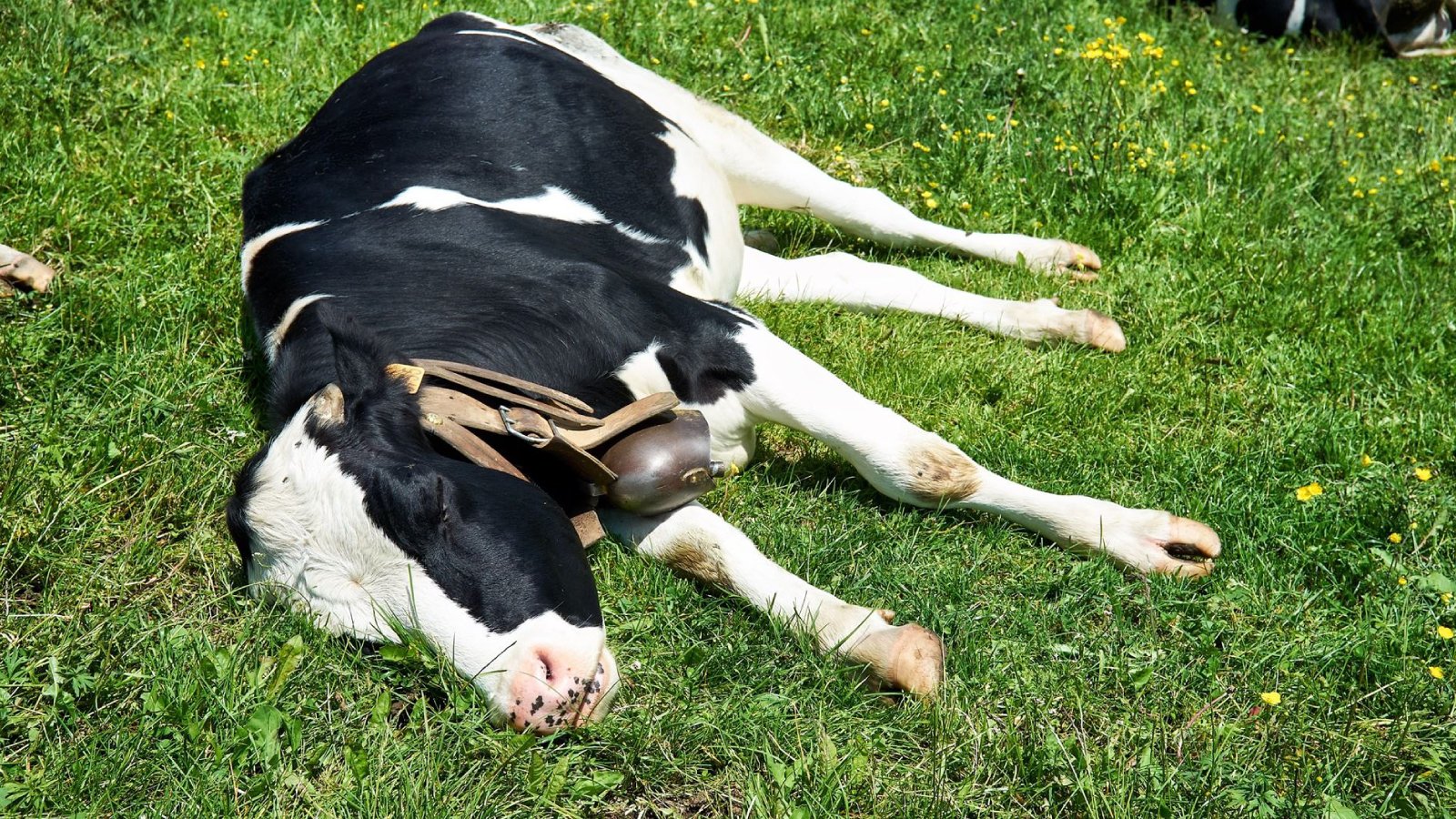
Calves: watery diarrhea, dehydration, depression, reduced suckle, sometimes nasal discharge or coughing
Adult cattle (winter dysentery): sudden herd outbreaks of diarrhea that may be dark or bloody, often with a sharp drop in milk yield and short term anorexia
Because signs overlap with rotavirus, enterotoxigenic E. coli, Cryptosporidium, and other causes of diarrhea, herd level context and testing guide decisions.
Diagnosis
Many outbreaks are managed based on clinical pattern and epidemiology, with targeted testing to confirm and rule out key differentials. The Merck Veterinary Manual describes confirmation approaches that include antigen detection and reverse transcription PCR on fecal samples for winter dysentery and coronavirus associated enteric disease.
Treatment and supportive care
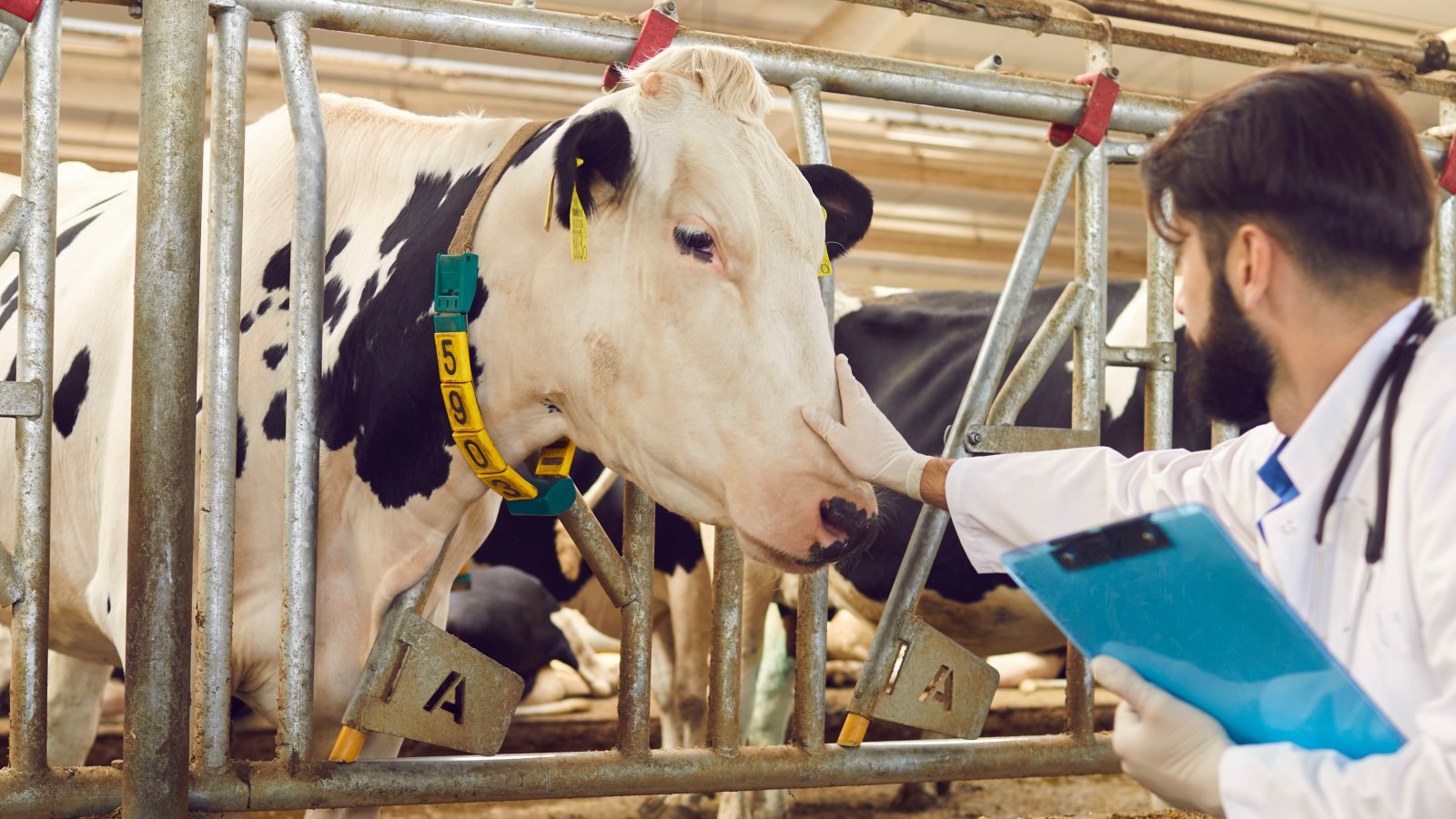
There is no antiviral therapy that reliably clears BCoV. Treatment is supportive: prompt oral or IV fluids with electrolytes, correction of acid base and energy deficits, warming, and nursing care. In adults, most cases are self limiting, but dehydration and production losses still justify early supportive management.
Prevention and herd management
Prevention is based on colostrum management, hygiene, and reducing infectious pressure. Ensure timely adequate colostrum intake, clean and disinfect calving pens, separate age groups, limit cross contamination between sick and healthy pens, and avoid overcrowding during cold months.
VetFor testing support from Vitrosens Biotechnology
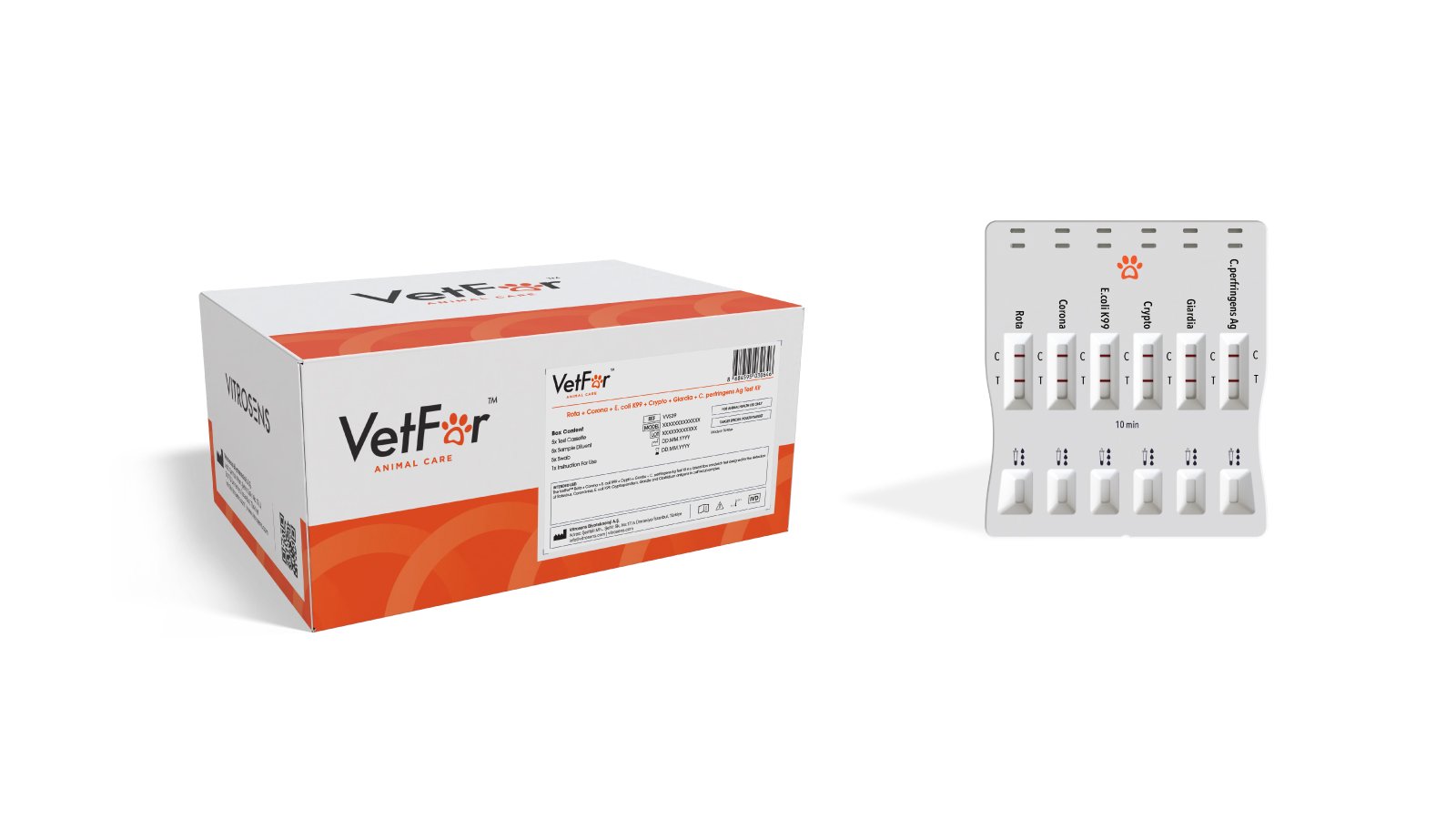
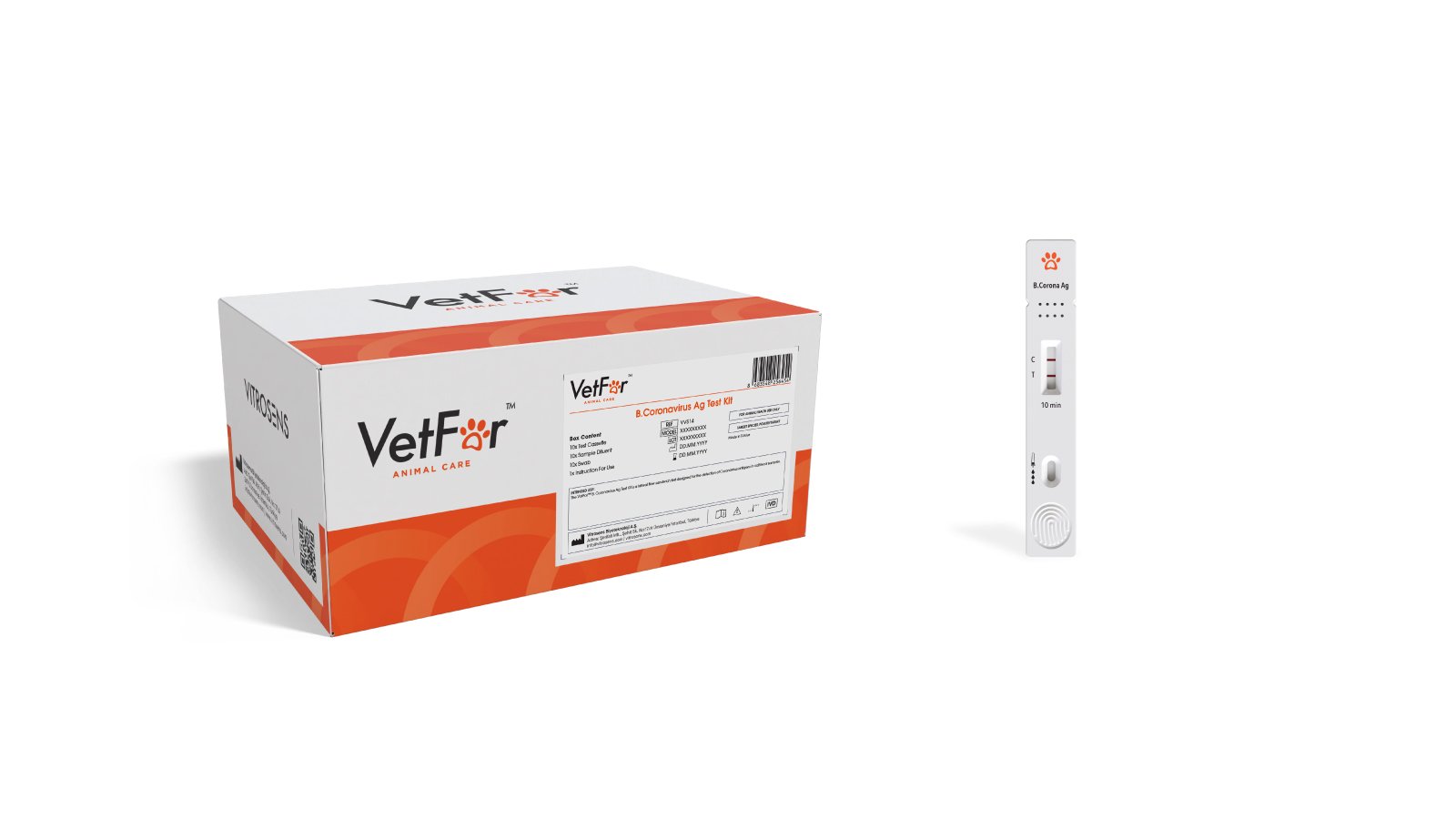
For field screening during calf diarrhea or herd outbreaks, the VetFor portfolio includes a Bovine Coronavirus Ag rapid test (lateral flow) designed for qualitative detection of coronavirus antigen only from bovine fecal samples. This supports quick on site decisions for isolation and hygiene measures while clinical management remains supportive.
Also, the VetFor 6in1 Calf Diarrhea Test Kit is designed for qualitative detection of antigens including coronavirus, rotavirus, E. coli K99, Cryptosporidium parvum, Giardia spp., and Clostridium perfringens from bovine fecal samples, enabling broad screening from a single sample.
For confirmatory workflows and surveillance, the VetFor real time fluorescence quantitative PCR instrument platform supports nucleic acid amplification testing in veterinary laboratories.
References
MSD Veterinary Manual. Intestinal Diseases in Cattle
MSD Veterinary Manual. Diarrhea in Neonatal Ruminants
Boileau MJ, Kapil S. Bovine coronavirus associated syndromes. Vet Clin North Am Food Anim Pract. 2010 Mar;26(1):123-46, table of contents. doi: 10.1016/j.cvfa.2009.10.003. PMID: 20117547; PMCID: PMC7125561.
Vlasova AN and Saif LJ (2021) Bovine Coronavirus and the Associated Diseases. Front. Vet. Sci. 8:643220. doi: 10.3389/fvets.2021.643220
Saif LJ. Winter Dysentery. Food Animal Practice. 2009:112–4. doi: 10.1016/B978-141603591-6.10026-0. Epub 2009 Nov 5. PMCID: PMC7152355.