


What is EHV-1 and why can horses look normal?
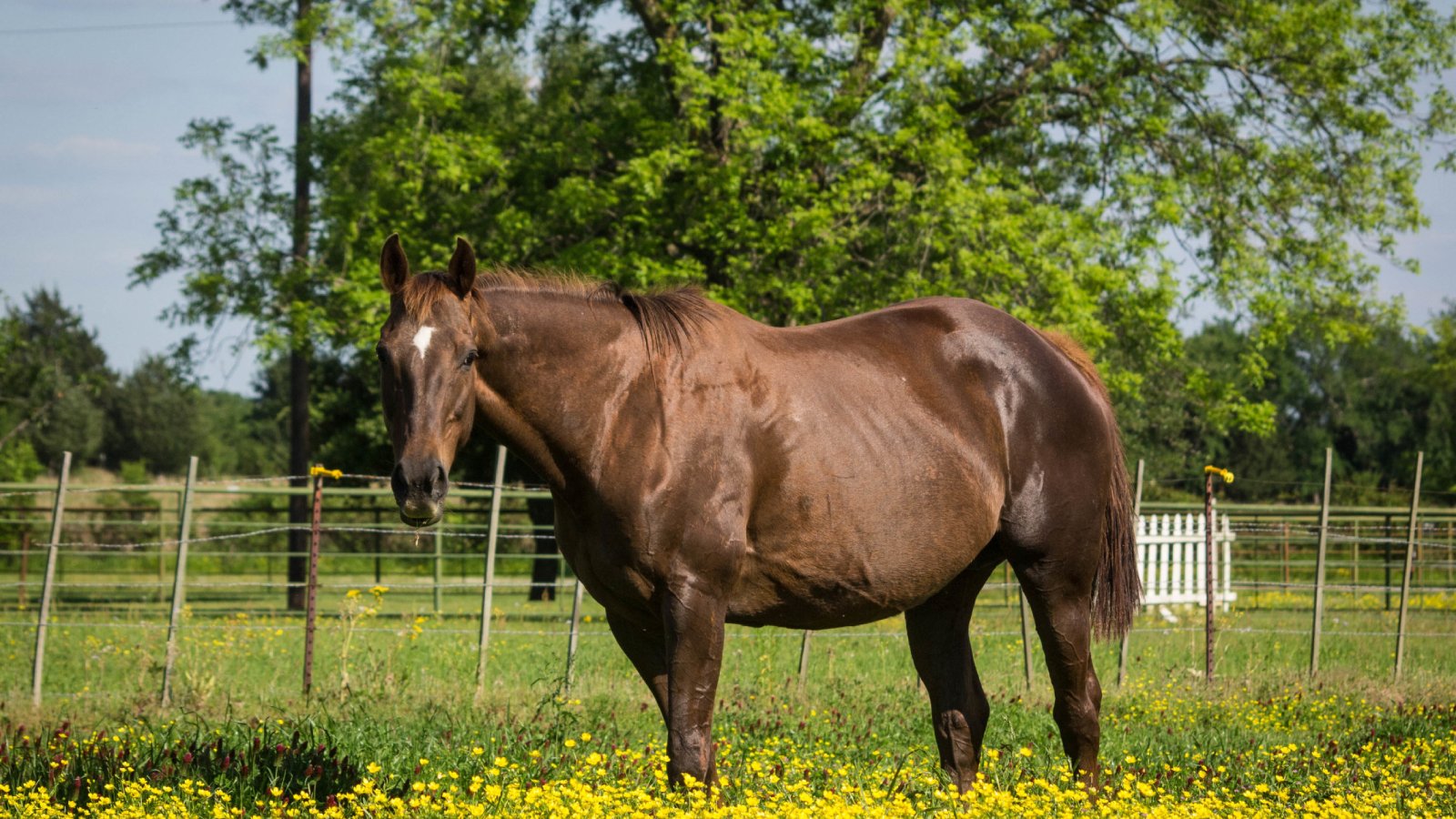
EHV-1 is an alphaherpesvirus common in equine populations. After an initial infection (often a mild respiratory illness), the virus can establish lifelong latency. Horses may look clinically normal for long periods and still contribute to transmission when the virus reactivates under stress, transport, competition, or other triggers. EHV-1 matters because it can cause respiratory disease, abortion and neonatal foal loss, and the neurologic syndrome equine herpesvirus myeloencephalopathy (EHM).
How EHV-1 spreads
EHV-1 is mainly transmitted by close contact with nasal secretions and by contaminated hands, clothing, tack, buckets, and stable surfaces. Outbreaks are most often seen where horses mix closely, such as shows, training barns, and sales yards. Abortions can also drive exposure through infected fetal tissues and fluids. Viral shedding can begin before clear signs, so hygiene and movement control matter early.
Clinical signs
EHV-1 can present differently by age and physiologic status:
- • Foals and young horses: fever, nasal discharge, cough, lethargy, reduced appetite, enlarged lymph nodes.
- • Pregnant mares: abortion can occur weeks after exposure, sometimes without warning illness; foals may be born weak and die soon after birth.
- • Neurologic disease (EHM): fever followed by ataxia, weakness, urine retention, and in severe cases recumbency.
Treatment and supportive care
There is no antiviral therapy that reliably clears EHV-1. Management is supportive and targeted: rest, hydration, fever control, and treatment of secondary bacterial infections when indicated. In suspected EHM cases, intensive nursing care, bladder management, anti inflammatory therapy, and early antiviral protocols (under veterinary supervision) may be considered, but outcomes depend on severity and timing.
Diagnosis
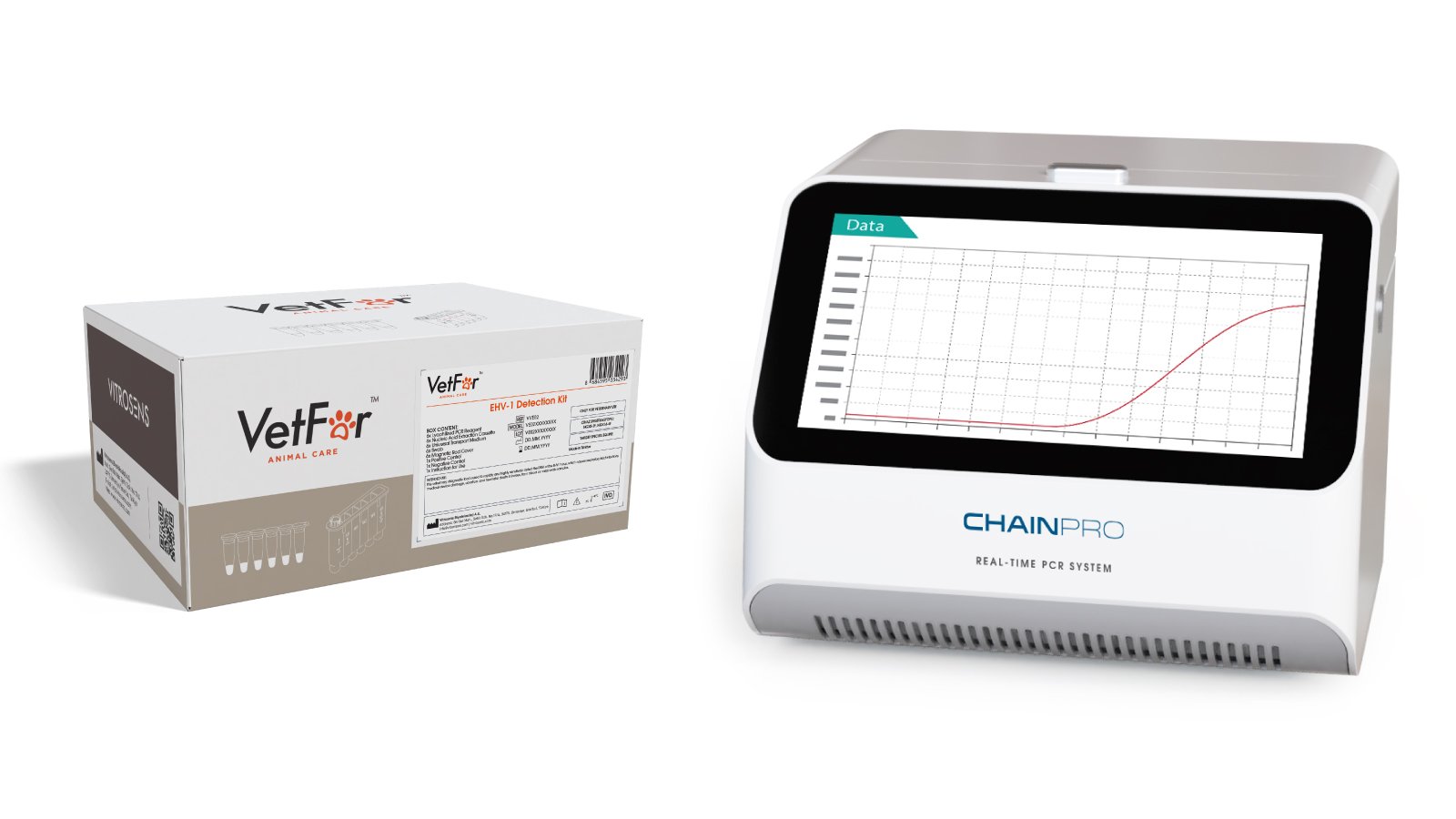
For laboratories and outbreak response teams that need rapid confirmation, the VetFor molecular range includes an Equine Herpesvirus 1 PCR option listed as VVE02 (EHV-1 Detection Kit, 6 tests). Use it to support decisions such as isolation, cohorting, and controlled return to movement, alongside clinical assessment and biosecurity.
Prevention and outbreak control
Vaccination can reduce respiratory disease and shedding, but it does not guarantee prevention of EHM. The most effective control measures are operational: isolate febrile or new arrivals, implement twice daily temperature monitoring during outbreaks, dedicate equipment to groups, enforce hand hygiene and effective disinfectants, and restrict movement until cases stop appearing.