

White spot syndrome disease (WSSD) is caused by white spot syndrome virus (WSSV) and can trigger sudden, high mortality in farmed shrimp and prawns. Because the virus can move quickly between ponds, farms usually prioritize early suspicion, fast confirmation, and strong biosecurity. WSSV is listed by WOAH, so outbreaks may also have reporting and movement implications depending on local rules.
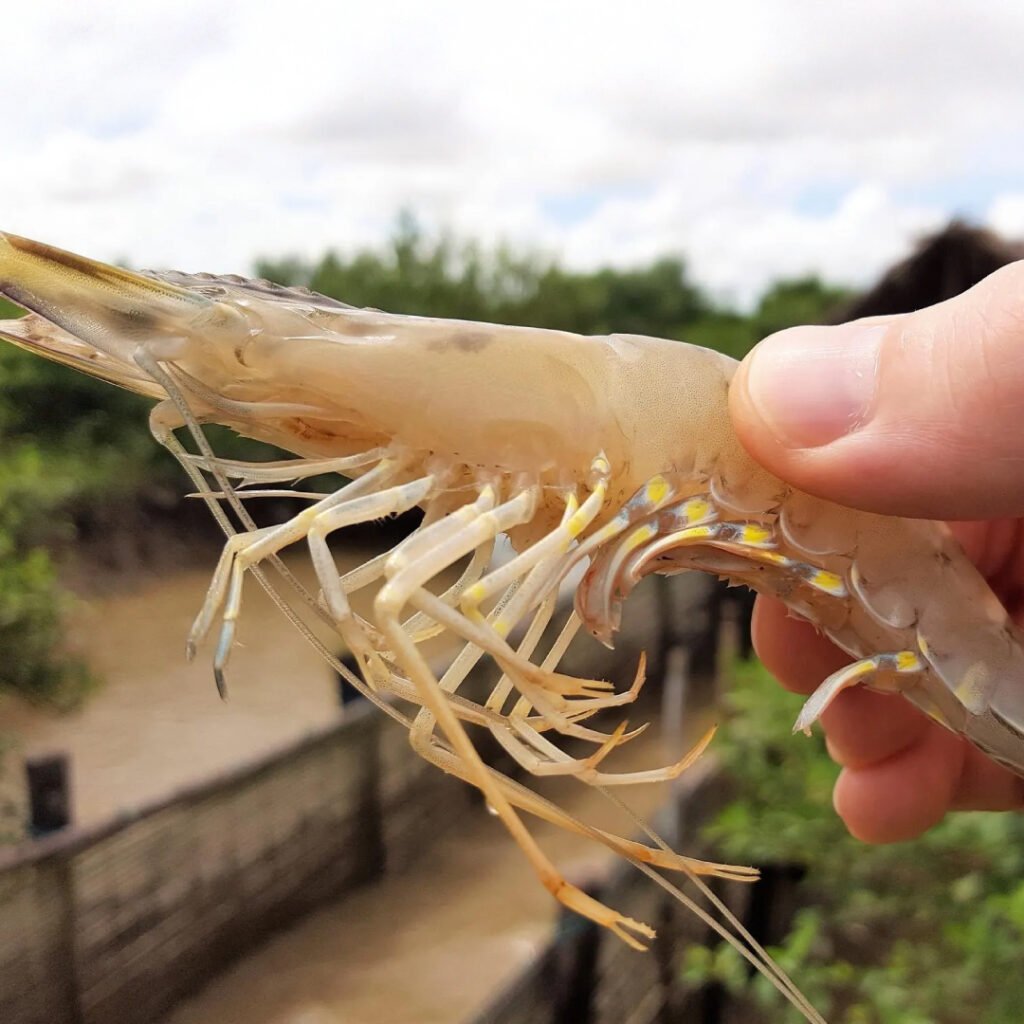
Figure 1. Clinical appearance during WSSV outbreaks is variable; “white spots” on the cuticle may be absent and are not a reliable field marker.
What is WSSV and why can outbreaks escalate fast?
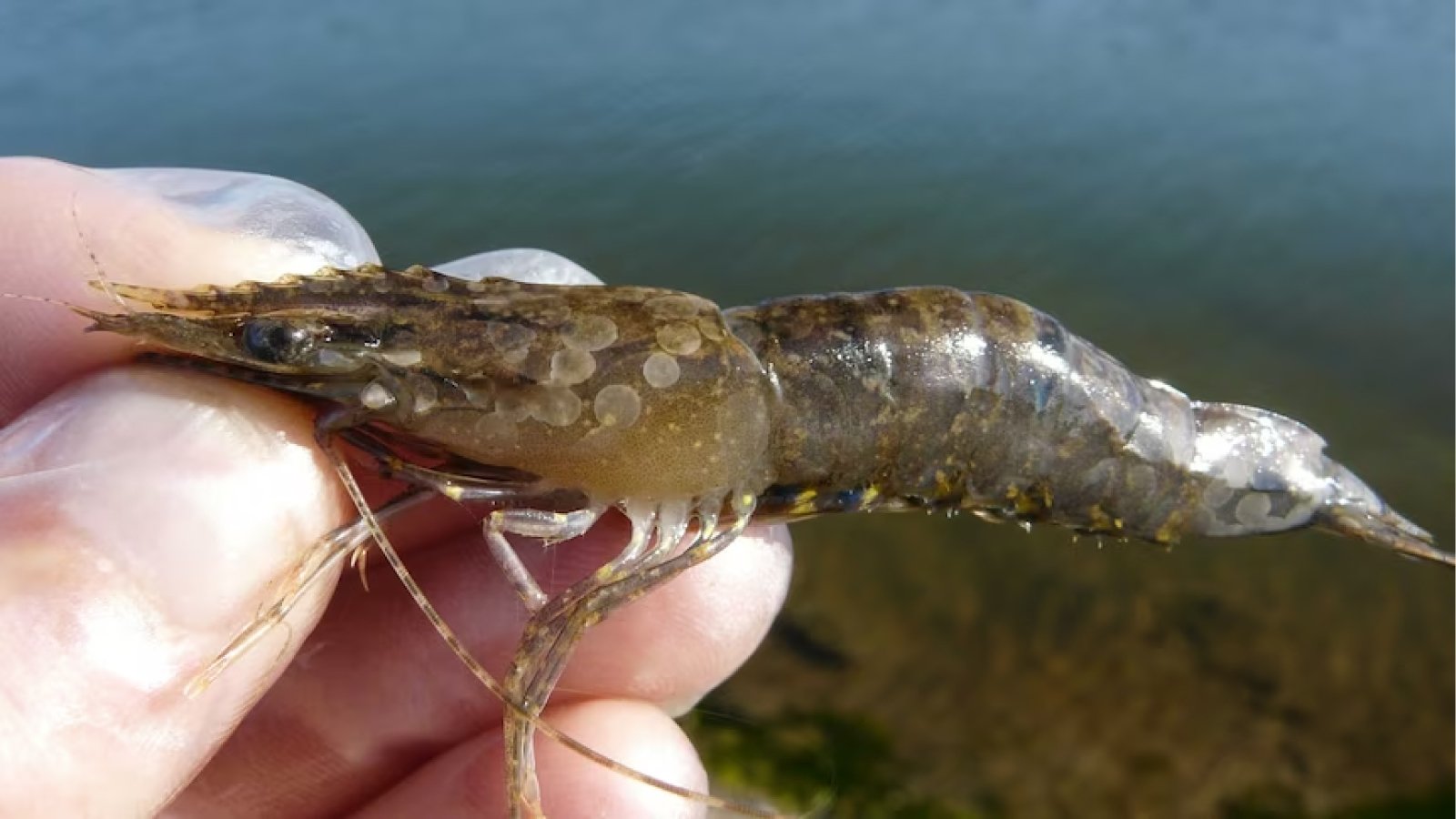
WSSV is a highly pathogenic crustacean virus associated with acute mortality events. White spots can occur, but environmental stress or bacterial disease can also produce similar lesions, and moribund shrimp with WSSV may show few or no spots. Reddish or pinkish discoloration and marked lethargy may be seen in affected populations.
How do shrimp get infected?
Transmission occurs through infected animals and tissues, including consumption of infected material. Spread can also occur through water movement and via contaminated equipment or hands. Shared nets, pumps, crates, and inadequate separation between ponds increase the chance of farm wide spread. Infection can be introduced by movement of live animals or carriers that appear normal, which is why stocking controls matter.
Source: ABC Rural (Supplied: DIGFISH)
Clinical signs
Farms may see reduced feeding, abnormal swimming, lethargy, and rapidly rising mortalities. External changes can include cuticular spots and generalized color change, but clinical presentation overlaps with other shrimp pathogens. Pond level context (recent stressors, handling, and the sequence of affected ponds) helps guide sampling and movement decisions

Diagnosis
Field observations guide suspicion, but confirmation relies on laboratory testing. WOAH guidance describes molecular detection (PCR) as a key method, including for surveillance and early detection in apparently healthy populations. During outbreaks, sampling moribund shrimp and selecting target tissues improves detection.
Vitrosens Biotechnology’s VetFor portfolio includes PCR based WSSV detection solutions intended for aquaculture surveillance and outbreak confirmation, supporting faster isolation and biosecurity actions when WSSD is suspected
Treatment and supportive care
There is no antiviral therapy that reliably clears WSSV in shrimp. Response focuses on limiting spread and reducing losses: stop or control movements, separate affected units, strengthen hygiene and disinfection, and follow local reporting and containment requirements.
Prevention: the most effective approach
Prevention is operational: source animals from monitored programs, control water inputs, disinfect equipment between ponds, manage vectors and scavengers, and use routine screening to detect infection early.
References
WOAH Aquatic Animal Health Manual: Infection with WSSV.
Center for Food Security and Public Health (Iowa State University): White Spot Disease factsheet.
Australian Government (AQUAVETPLAN): White spot disease strategy.
ABC News. White spot disease: Is it safe to eat infected prawns? Four Corners. Published 1 July 2018. Accessed 25 Feb 2026. https://www.abc.net.au/news/2018-07-02/white-spot-disease-is-it-safe-to-eat-infected-prawns/9890588