

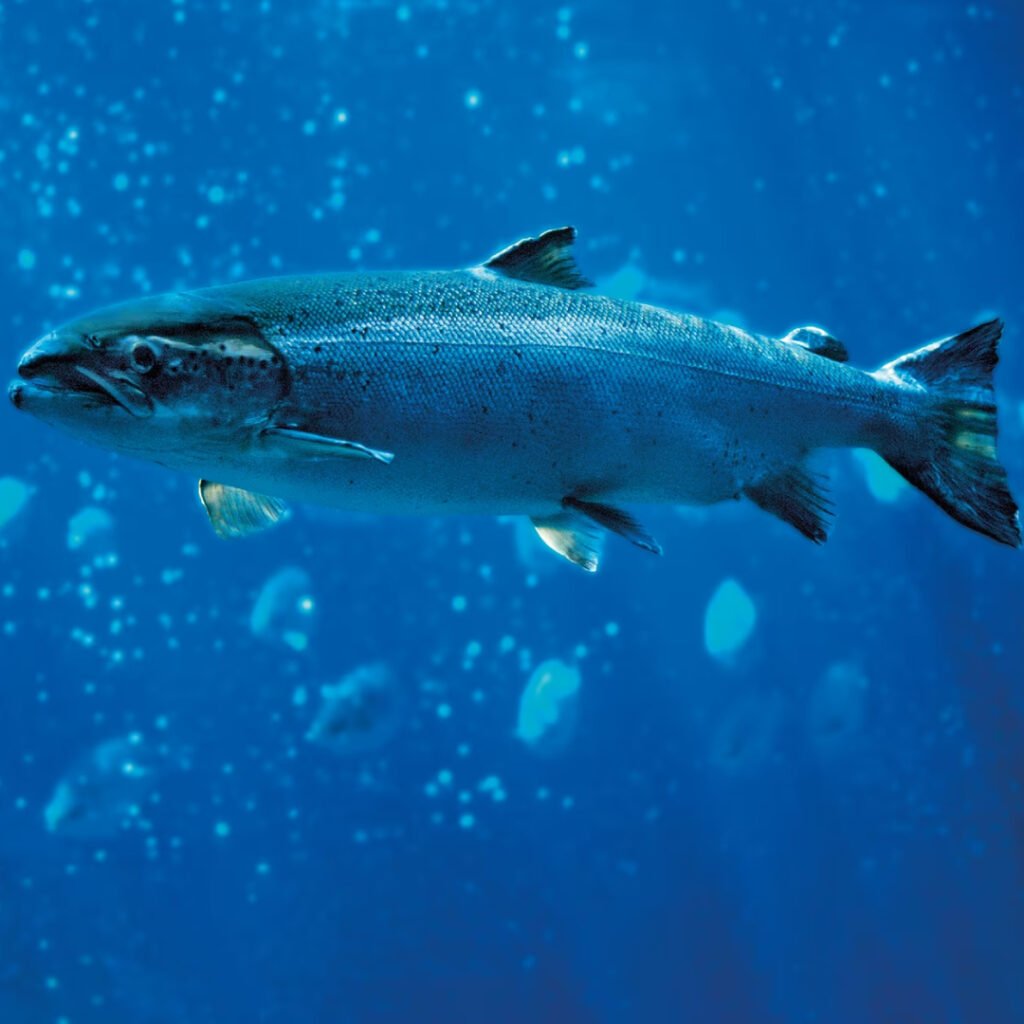
Salmonid rickettsial septicaemia (SRS), also called piscirickettsiosis, is an important bacterial disease of farmed salmonids. It is caused by Piscirickettsia salmonis, a Gram negative bacterium that can multiply inside fish cells, which supports persistence and systemic disease in aquaculture. SRS can lead to mortality, reduced growth, and higher treatment costs at affected sites.
What is SRS?
SRS is a septicaemic disease reported mainly in salmonids such as Atlantic salmon and trout. Outbreaks are often linked to stressors such as handling, transfer, crowding, or other health challenges that reduce host resilience.
How do fish get infected?
Transmission in farm settings is considered primarily horizontal, with spread promoted by close contact and shared water. Risk rises with higher stocking density, poor water quality, and events that increase stress or damage skin and gills. Farm patterns, including clustering of cases, can help decide when targeted testing is justified.
Clinical signs
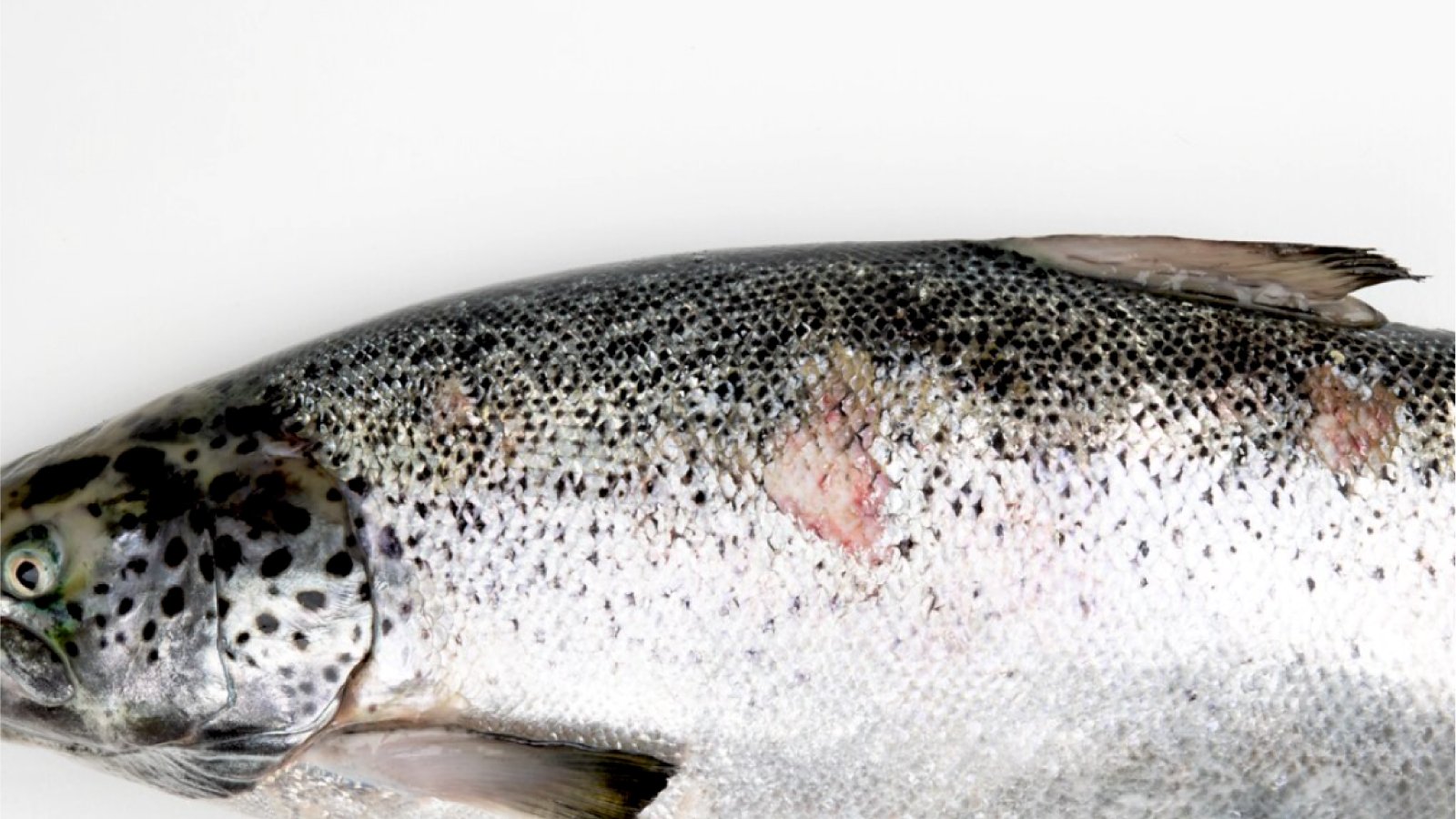
Signs are not specific and can overlap with other bacterial or parasitic problems. Common observations include reduced feeding, lethargy, darkening of the skin, respiratory effort, and increasing mortality. Some fish develop skin lesions or hemorrhages. Because presentation is variable, confirmation testing is usually needed to separate SRS from other causes of losses.

When SRS is on the differential list, fast confirmation helps guide containment and treatment timing. VetFor molecular solutions support real time PCR detection workflows for aquaculture pathogens, with compatible sample preparation steps for tissue specimens and clear, reportable outputs.
Treatment and supportive care
There is no single approach that reliably clears SRS once established. Antimicrobial therapy may be used under veterinary direction and local authorisations, ideally supported by culture and susceptibility where feasible. Supportive actions focus on reducing stress, optimising oxygen and water quality, improving husbandry, and removing moribund fish to reduce infectious pressure.
Prevention and control
Control depends on biosecurity and management: limiting movements between sites, cleaning and disinfection of equipment, reducing handling peaks, maintaining appropriate stocking density, and using fallowing and coordinated area management when possible. Vaccination is used in some regions, but protection can be variable, so prevention still depends on integrated farm health plans.
References
AQUAVETPLAN: Piscirickettsiosis (Department of Agriculture, Fisheries and Forestry, Australia).
Piscirickettsiosis factsheet (Australia, agriculture.gov.au).
Piscirickettsia salmonis Information Sheet (Tasmania).
Characterization of P. salmonis and SRS (Fisheries and Oceans Canada).