

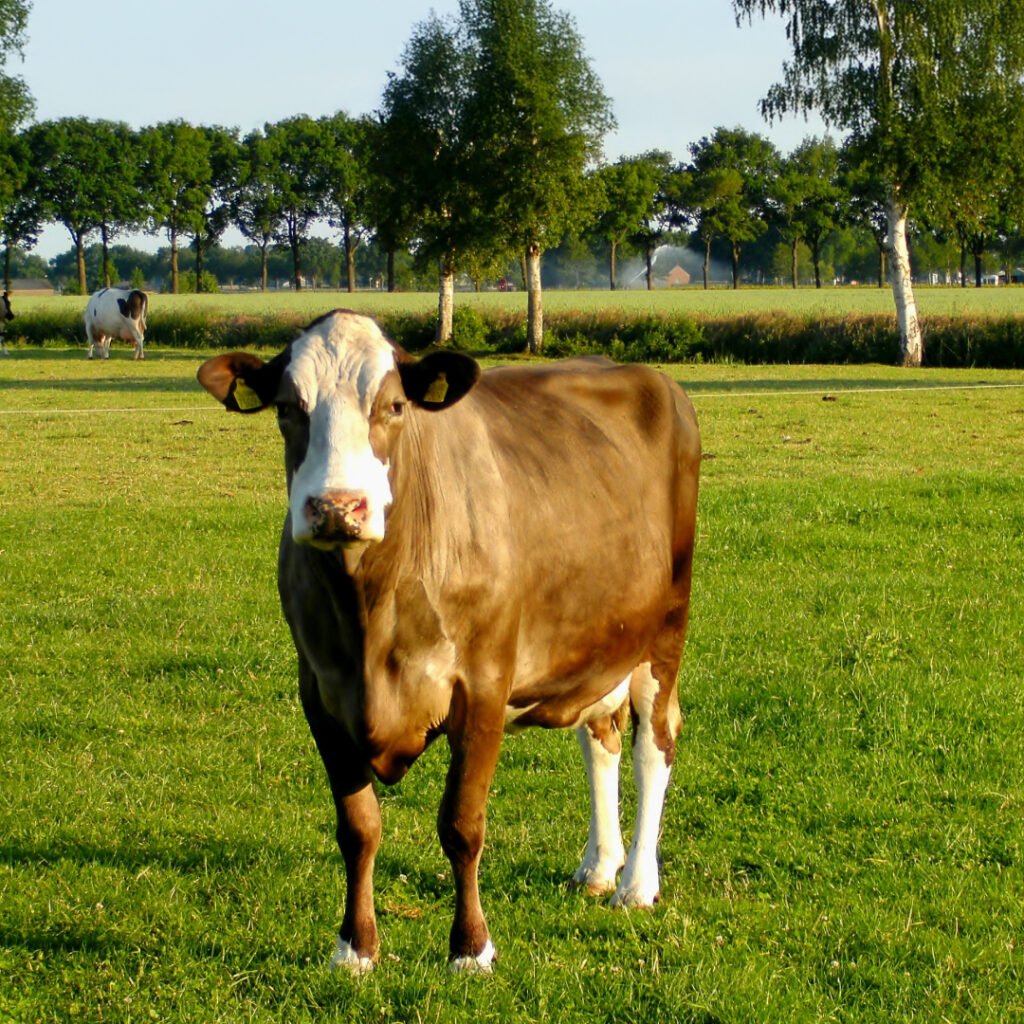
Bovine tuberculosis (bTB) is a chronic infectious disease of cattle caused mainly by Mycobacterium bovis, a member of the Mycobacterium tuberculosis complex (MTBC). It can also affect wildlife and other domestic species and has public health relevance because MTBC organisms can infect people, particularly through unpasteurized dairy products or aerosol exposure in high risk settings.
What is bTB and why can herds look normal?
bTB often progresses slowly. Infected animals may remain outwardly normal for long periods while developing granulomatous lesions (“tubercles”), most commonly in the lungs and associated lymph nodes. This long silent phase is one reason routine surveillance is central to control programs.
How do cattle get infected?
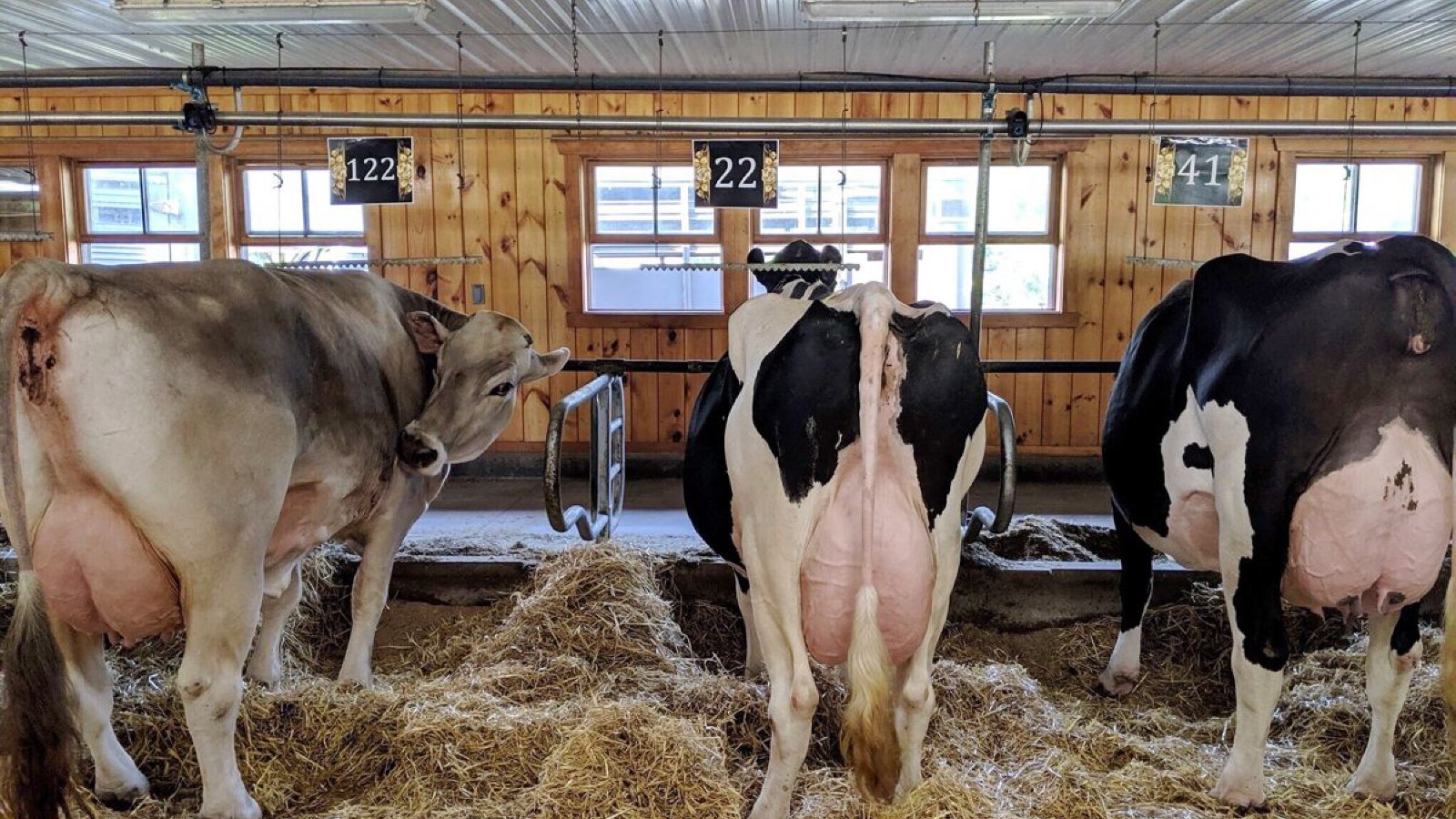
Transmission is mainly by inhalation of aerosols from infected animals, especially in enclosed housing. Infection can also occur by ingestion of contaminated material. Once introduced, close contact, shared air space, and movements of animals between groups can sustain spread.
Clinical signs
Many cases are subclinical. When clinical disease is evident, signs are typically nonspecific and chronic, such as progressive weight loss, weakness, intermittent fever, and respiratory signs if the lungs are involved. Production impacts can include reduced condition and performance. Because these signs overlap with other chronic conditions, herd history and targeted testing guide decisions.

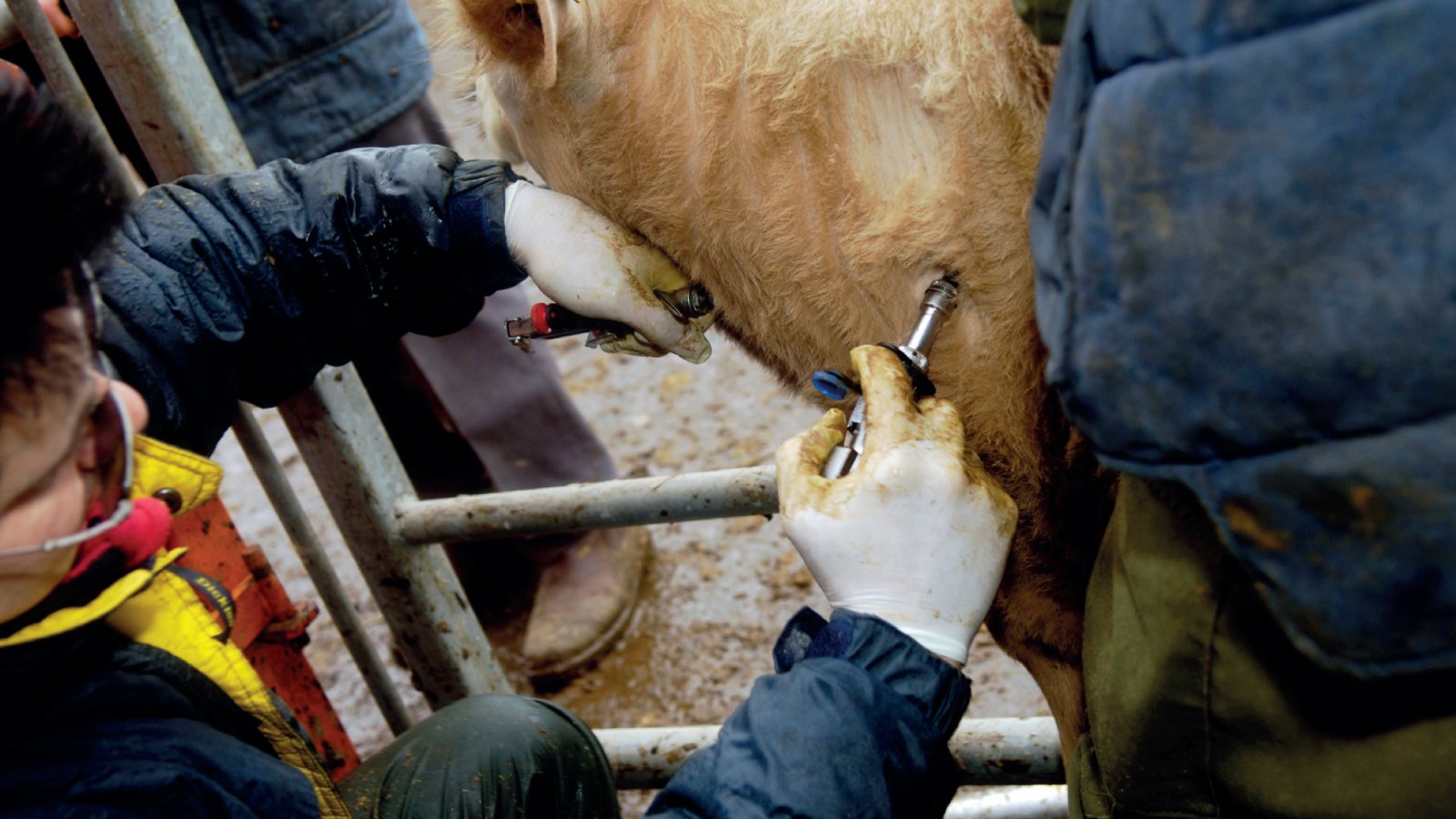
Live animal diagnosis is commonly based on immune response testing, including tuberculin skin testing; additional assays such as interferon gamma release testing may be used in surveillance and control frameworks. Confirmation can include detection of the organism by culture or molecular methods, and post mortem lesion findings support case classification.
When MTBC is on the differential list or when surveillance requires rapid confirmation, Vitrosens Biotechnology’s VetFor portfolio includes the VVS02 M. tuberculosis Antibody Test Kit (lateral flow), designed for qualitative detection of anti-MTBC antibodies to support herd level screening decisions and follow up testing within national bTB control programs.
Treatment and supportive care
There is no short, reliable treatment approach for clearing bTB in cattle under field conditions, and treatment is often not pursued in animals due to public health and control program considerations. Control strategies typically focus on surveillance, movement restrictions, and removal of infected animals in accordance with national regulations.
Prevention and control
Prevention is management driven: maintain closed herds when possible, apply purchasing controls, use quarantine and testing for incoming animals, and strengthen biosecurity where wildlife reservoirs exist. Pasteurization remains an important public health measure to reduce zoonotic risk from dairy products.
This article is for educational purposes and is not a substitute for veterinary diagnosis, regulatory guidance, or farm specific disease control plans.
References
WOAH. Bovine tuberculosis (diagnostic approaches; lesions; transmission).
USDA APHIS. Bovine Tuberculosis in Cattle (overview; control context).
WOAH Terrestrial Manual. Mammalian tuberculosis (infection with MTBC).
MSD Veterinary Manual. Overview of Tuberculosis in Animals (diagnosis and treatment considerations).
CDC. About Bovine Tuberculosis in Humans (M. bovis) (public health context).