


Clostridium perfringens is a Gram positive, anaerobic, spore forming bacterium that is widely present in the environment and in the gastrointestinal tract of animals. In cattle, certain toxigenic strains are associated with acute enteric disease, enterotoxemia, hemorrhagic enteritis, and in some cases sudden death. In neonatal calves, disease may progress very rapidly, which makes early suspicion, practical field screening, and timely laboratory confirmation especially important for herd management.
Why can C. perfringens cases deteriorate so quickly?
The problem is not simply the presence of the organism, but the rapid production of potent toxins under favorable intestinal conditions. Predisposing factors described in the veterinary literature include abrupt dietary change, overeating, intestinal stasis, disruption of the normal gut flora, and in very young calves, heavy milk intake together with age related susceptibility. Because toxin mediated disease can develop over a short time, some calves may show only a brief period of depression, abdominal pain, or bloody diarrhea before death occurs.
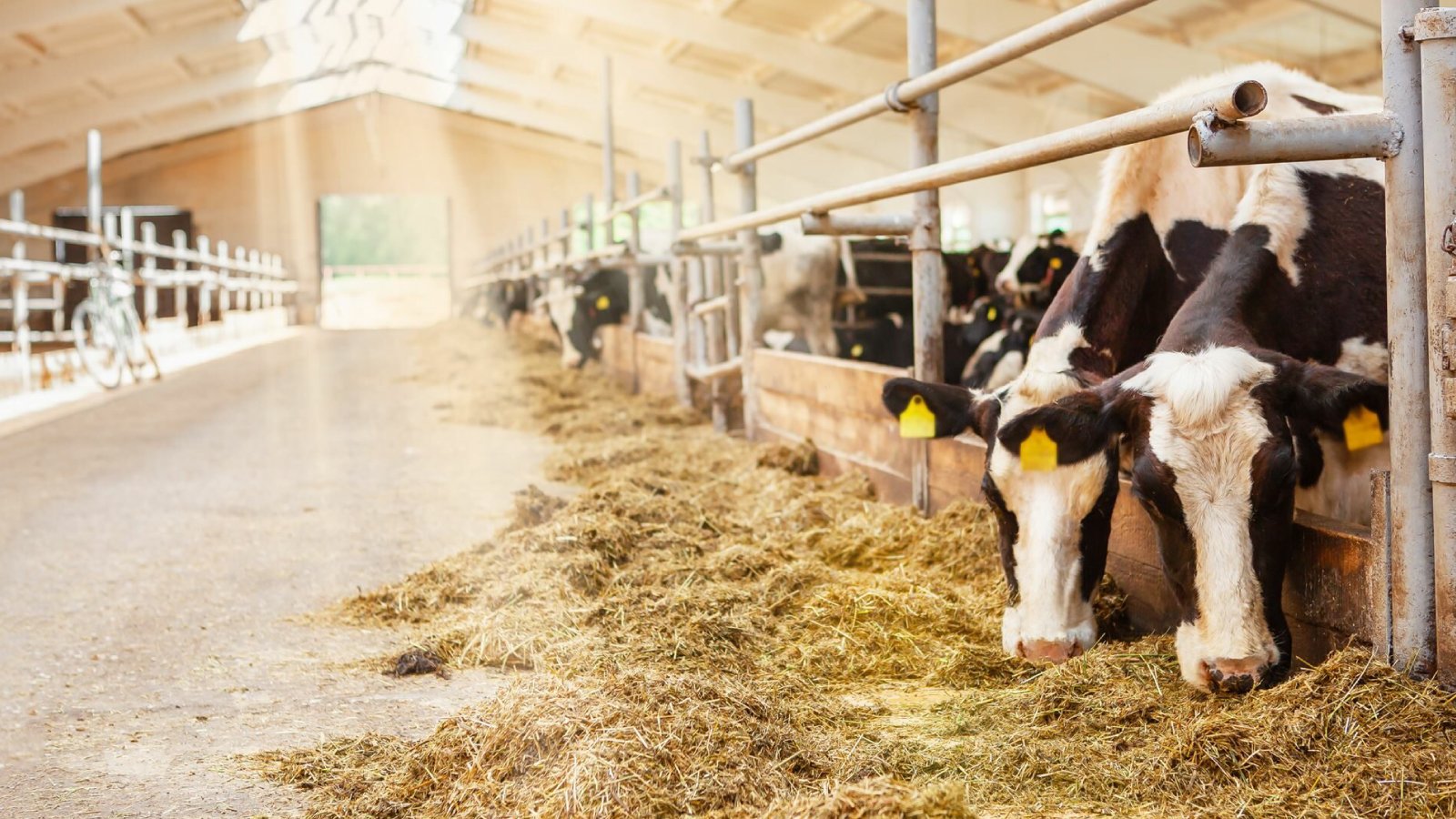
How cattle become affected
C. perfringens spores are common in soil, housing environments, and intestinal contents. However, detection of the organism alone does not prove causation, because some strains, especially type A, may also be recovered from healthy calves. For that reason, interpretation should always include age of the animal, feeding history, herd context, clinical presentation, and where available toxin detection, toxin gene testing, or postmortem findings.
Clinical signs
In calves, clostridial enteric disease can present with sudden depression, weakness, abdominal pain, hemorrhagic diarrhea or dysentery, abdominal distension, dehydration, neurologic signs such as seizures or opisthotonos in severe forms, and rapid death. In adult cattle, some toxin types have also been linked with enterotoxemia. Because these signs overlap with other major causes of calf diarrhea, including rotavirus, coronavirus, E. coli K99, Cryptosporidium parvum, and Salmonella, a syndromic diagnosis is not enough when herd level decisions are being made.
Diagnosis
A definitive etiologic diagnosis should not be based on clinical signs alone. Fresh fecal samples from untreated animals in the early phase of disease are useful for herd investigation, and necropsy remains highly valuable in fatal cases because intestinal lesions may disappear quickly after death due to autolysis. Classical confirmation of enterotoxemia relies on detecting toxin in intestinal contents, while PCR based methods can help identify toxin genes and support typing of the implicated strain. In practice, rapid field tests may be useful for early screening, but their result should be interpreted together with herd history, age group, lesion pattern, and differential diagnoses.
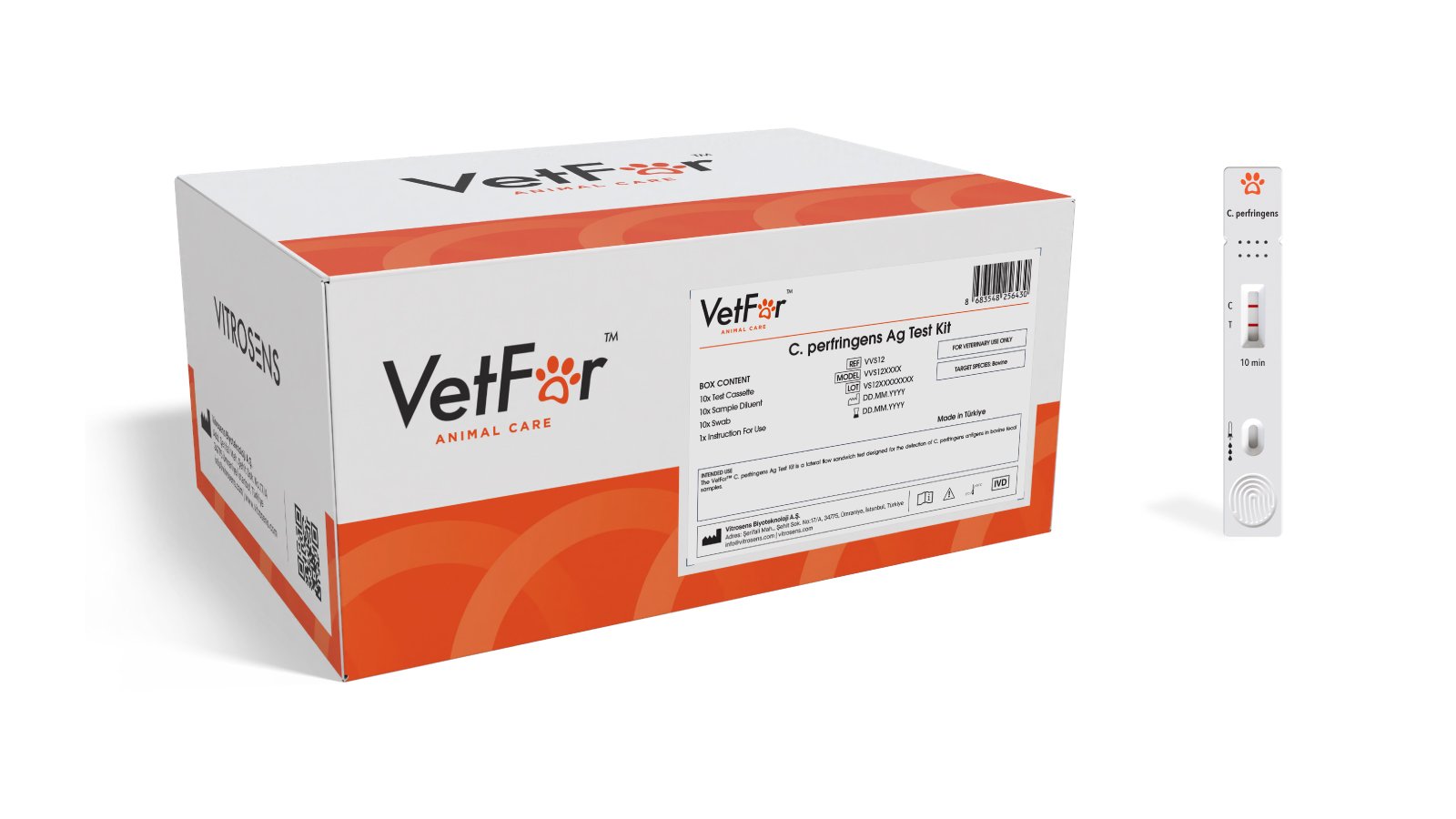
VetFor testing support from Vitrosens Biotechnology
For field screening in cattle, the VetFor bovine portfolio lists VVS12 C. perfringens Test Kit for fecal samples. VetFor also lists multi target calf diarrhea formats that include Clostridium perfringens together with other common enteric pathogens of calves. In VetFor’s published calf diarrhea testing materials, comparable bovine rapid assays are described as lateral flow immunochromatographic tests for qualitative fecal antigen detection, supporting faster on site triage and earlier isolation or hygiene decisions while confirmatory work is arranged.
Treatment and supportive care
Treatment success depends heavily on how early the case is recognized. Peracute disease may progress too quickly for effective intervention, especially in very young calves. When treatment is attempted, the literature describes urgent veterinary management, supportive care, and in selected cases specific antiserum or antimicrobials, but outcomes are often limited once advanced toxemia and intestinal damage are present. This is why rapid recognition and prevention are usually more important than relying on late treatment.
Prevention and herd management
Prevention is centered on reducing the conditions that allow intestinal overgrowth and toxin production. Practical measures include consistent feeding practices, avoiding abrupt ration changes, maintaining good colostrum management, improving hygiene in calving and calf rearing areas, separating clinically affected calves promptly, and implementing systematic clostridial vaccination programs where appropriate. In young stock systems, vaccination of dams to improve passive transfer can be part of an effective preventive approach.
References
MSD Veterinary Manual. Diarrhea in Neonatal Ruminants.
MSD Veterinary Manual. Clostridium difficile and C. perfringens Infections in Animals.
MSD Veterinary Manual. Enterotoxemias in Animals.
Salvarani FM et al. Clostridial Infections in Cattle: A Comprehensive Review with Emphasis on Current Data Gaps in Brazil. Animals. 2024.