

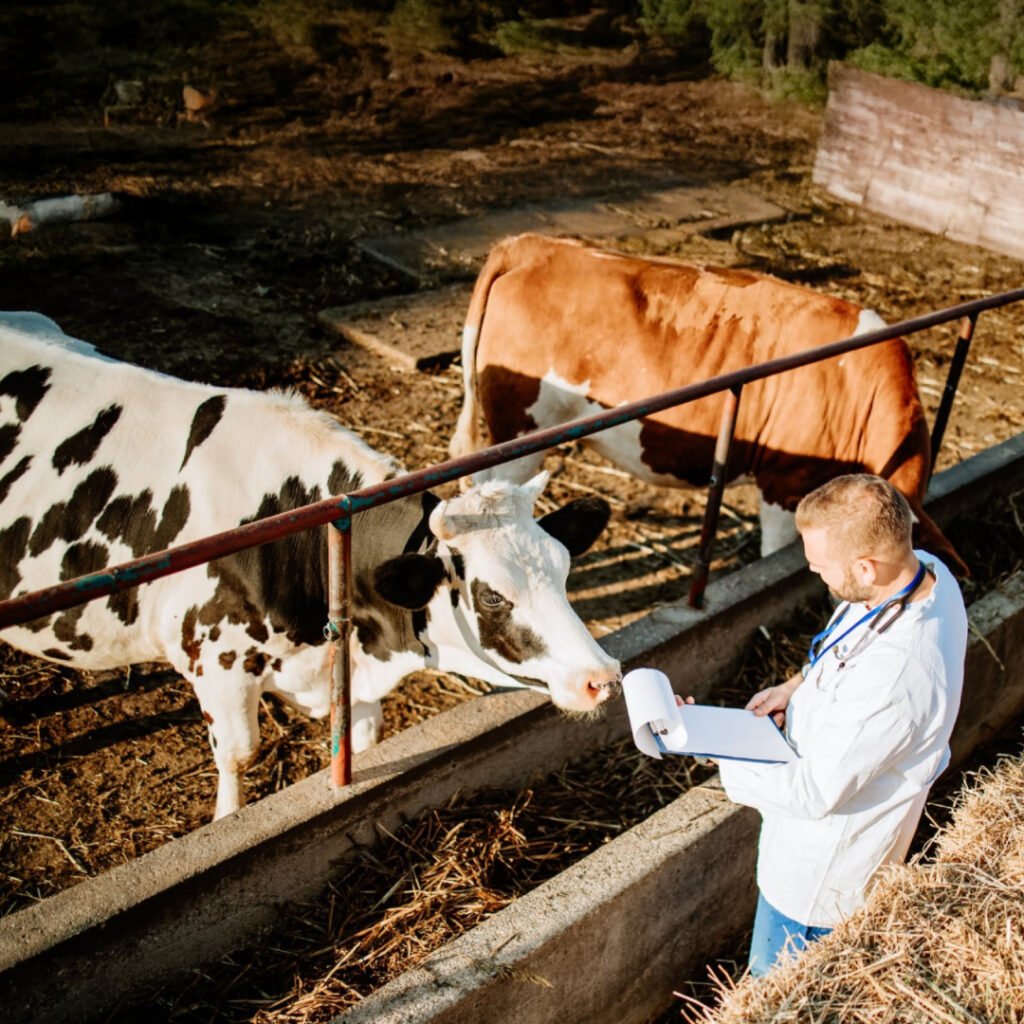
Eid al-Adha is a period when cattle movement, animal handling, transport, market activity and slaughter operations may increase significantly. In Türkiye, 2026 Eid al-Adha is listed with arife on 26 May and the first holiday day on 27 May. This seasonal increase in animal movement makes veterinary health awareness especially important for diseases that can affect both animal populations and public health.
One disease that deserves attention in cattle health management is bovine tuberculosis, commonly known as bTB. Bovine tuberculosis is a chronic infectious disease mainly caused by Mycobacterium bovis, a member of the Mycobacterium tuberculosis complex. Cattle are considered the most important animal reservoir in relation to zoonotic exposure, although the disease can also affect other domestic and wild species.
What is bovine tuberculosis?
Bovine tuberculosis is a slow-progressing bacterial disease that can remain unnoticed for long periods. Infected cattle may not show clear clinical signs in the early stages, which makes routine surveillance and veterinary evaluation important for herd-level disease control.
The disease can involve the respiratory system and lymph nodes, and transmission between animals is commonly associated with close contact and inhalation of infectious aerosols. Because affected animals may appear healthy, relying only on visible signs is not sufficient for managing bTB risk in cattle populations.
Why is bTB relevant during Eid al-Adha?
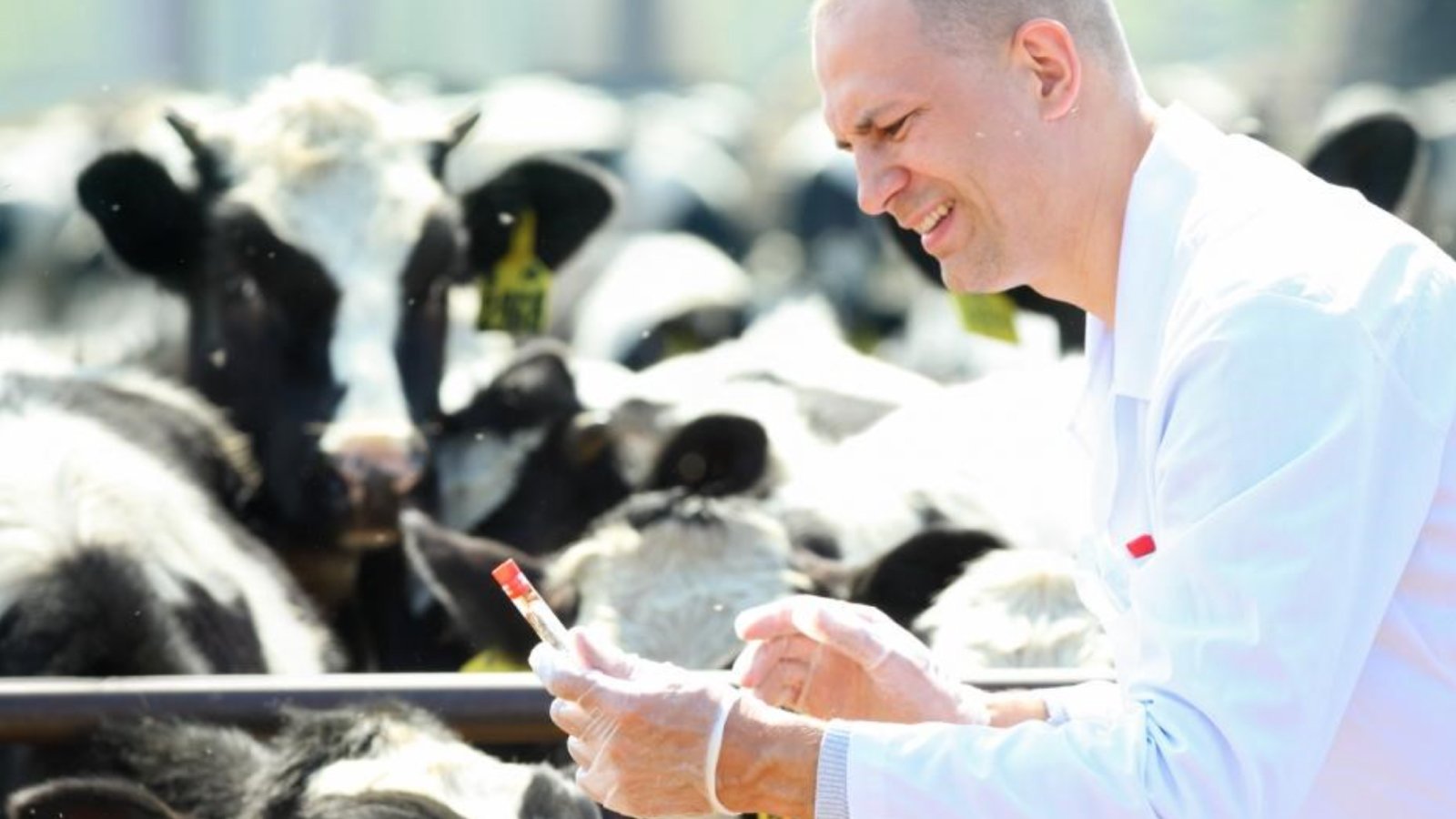
During Eid al-Adha, animals may be transported between regions, kept in temporary holding areas, sold in markets, and handled by many different people before slaughter. These conditions can increase the need for careful veterinary control, proper animal documentation, hygiene measures and awareness of zoonotic diseases.
bTB is particularly important because it is not only an animal health issue. Zoonotic tuberculosis in people can be caused by Mycobacterium bovis. Human exposure is most commonly linked to contaminated unpasteurized dairy products, while close contact with infected animals may also be relevant in certain settings. Pasteurization eliminates M. bovis from milk products, which is why safe food handling and regulated slaughter practices are important parts of prevention.
The importance of awareness, screening and veterinary control
For diseases such as bovine tuberculosis, early awareness supports better decision-making. Veterinary professionals, livestock producers and animal handlers should pay attention to official animal health controls, movement permits, herd history and any signs that may require further examination.
Testing can support disease management strategies when used as part of a broader veterinary evaluation. However, test results should always be interpreted together with clinical findings, herd history, epidemiological information and other laboratory or official control procedures when required.
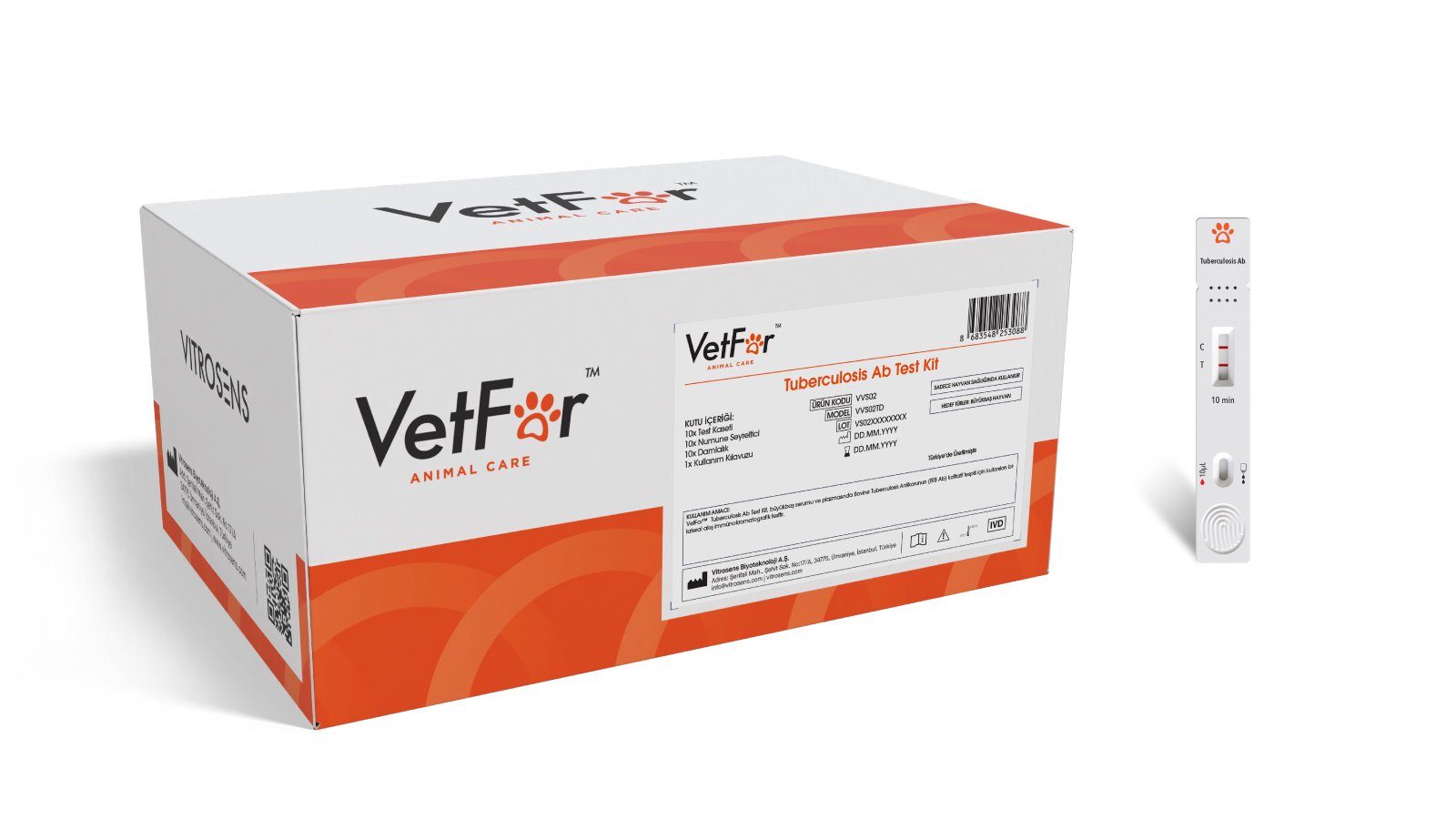
VetFor™ Tuberculosis Ab Test Kit
The VetFor™ Tuberculosis Ab Test Kit is a lateral flow immunochromatographic assay for the qualitative detection of Bovine Tuberculosis Antibody (BTB Ab) in bovine serum and plasma.
The kit is designed to support veterinary testing workflows by providing a practical rapid test format for BTB antibody detection. As with all diagnostic tools, results should be evaluated by qualified professionals and interpreted together with the animal’s clinical status, herd background and relevant veterinary control requirements.
A One Health perspective
Bovine tuberculosis shows why animal health, food safety and public health are closely connected. During periods such as Eid al-Adha, responsible animal movement, veterinary inspection, safe slaughter practices and proper handling of animal products are essential.
Strengthening awareness of bTB can help support healthier herds, safer food systems and better protection for people who work closely with livestock.
Contact us to learn more about the VetFor™ Tuberculosis Ab Test Kit and veterinary diagnostic solutions for cattle health.
References
World Health Organization. Zoonotic TB. WHO Global Tuberculosis Programme. Accessed May 15, 2026.
Centers for Disease Control and Prevention. About Bovine Tuberculosis in Humans. Updated May 20, 2024. Accessed May 15, 2026.
World Organisation for Animal Health. Mammalian tuberculosis. Accessed May 15, 2026.
World Organisation for Animal Health. Bovine tuberculosis. WOAH Terrestrial Manual disease information document.
WOAH Regional Representation for Asia and the Pacific. Bovine Tuberculosis. Updated August 7, 2025. Accessed May 15, 2026.