

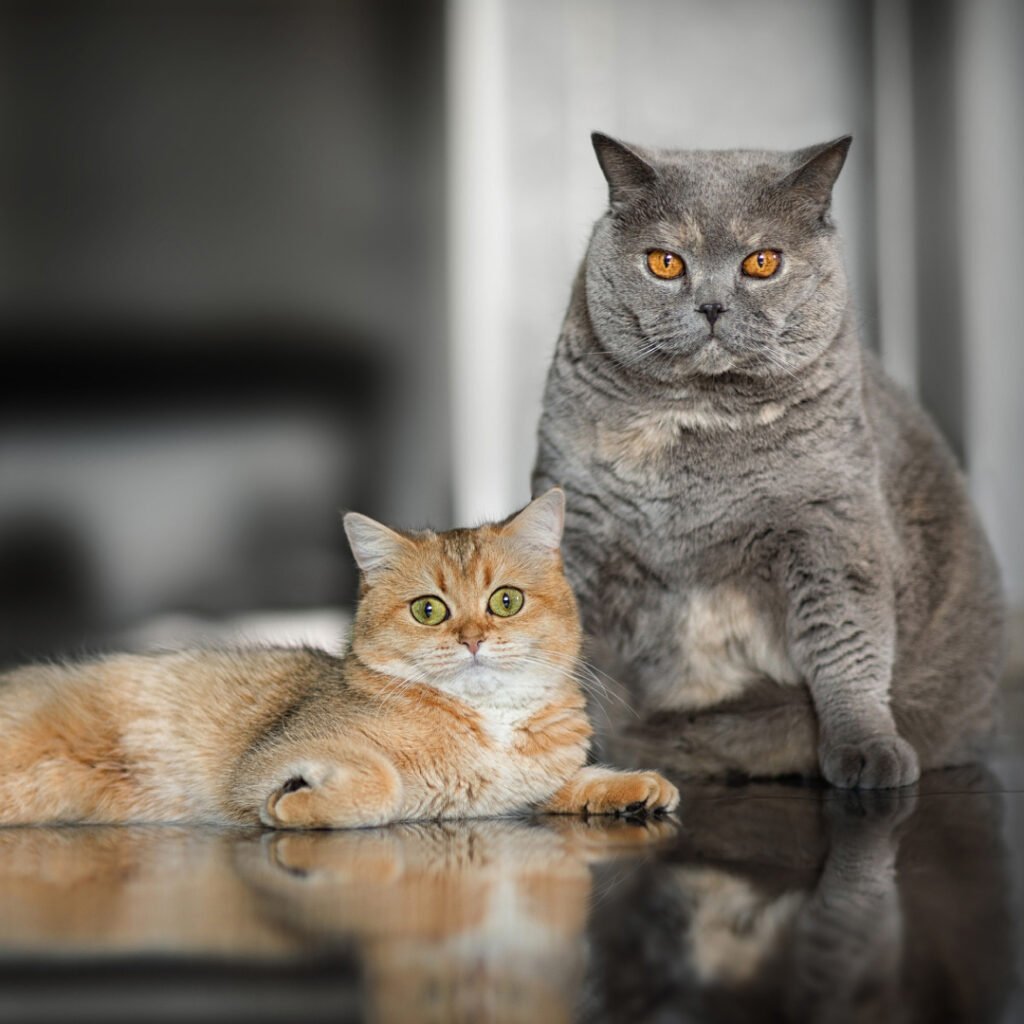
What is Feline Panleukopenia and Which Cats Does It Affect?
Feline panleukopenia (FPV) is a highly contagious, often fatal disease of domestic and wild felids caused by feline panleukopenia virus (FPV), a parvovirus closely related to canine parvovirus. The virus targets rapidly dividing cells, primarily in the intestinal crypt epithelium, bone marrow, and lymphoid tissue. Cats of all ages can be infected, but kittens are the most susceptible, with mortality in unweaned and young kittens frequently exceeding 90%. Transmission occurs via the fecal-oral route, and the virus is highly stable in the environment, surviving for months and resisting many common disinfectants.
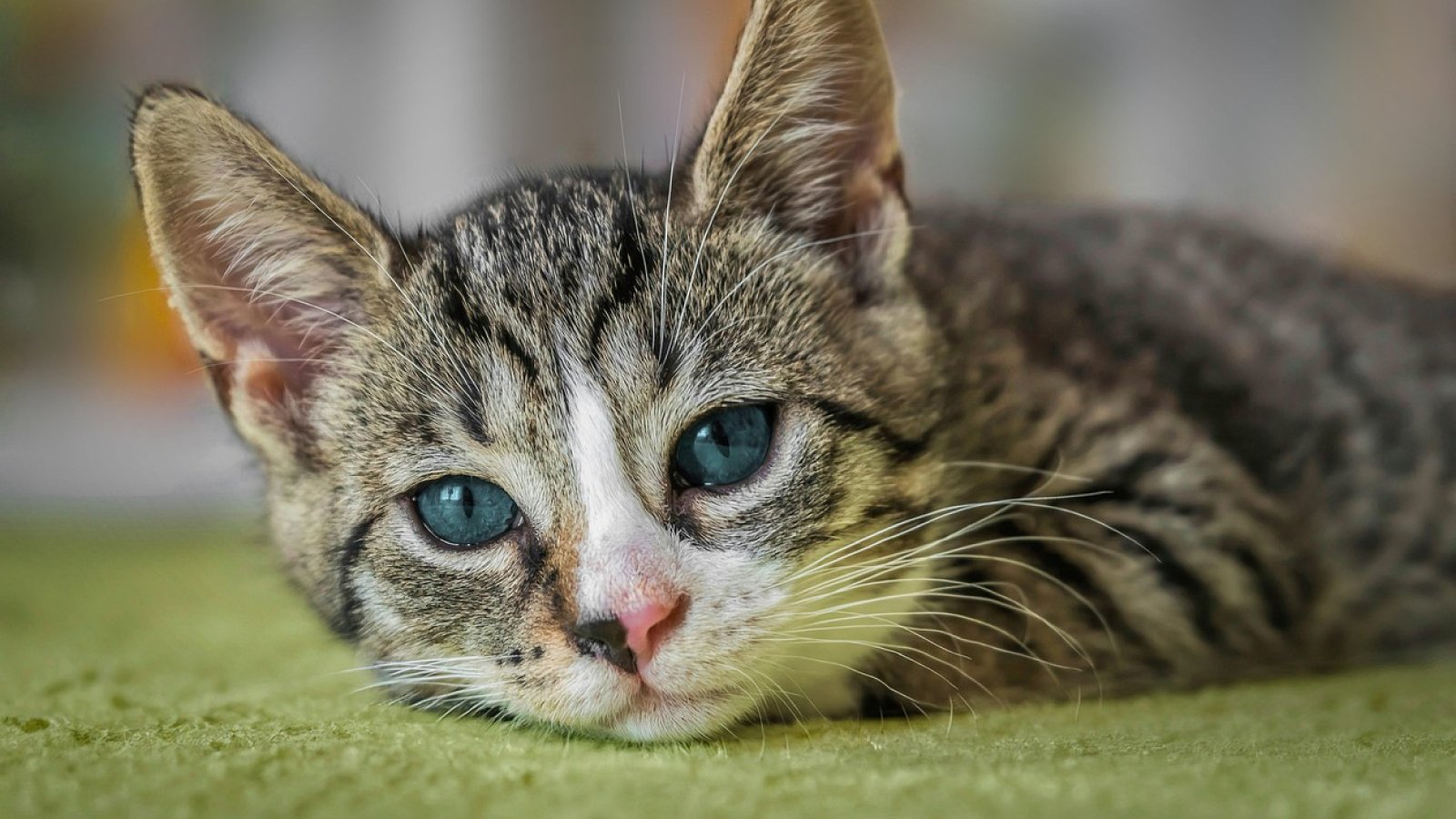
What are the Clinical Signs of FPV in Cats?
Affected cats typically present with lethargy, anorexia, fever, vomiting, and diarrhea, which may become hemorrhagic as disease progresses. Severe leukopenia, particularly neutropenia and lymphopenia, is a hallmark finding and often the first clue on a hemogram. Thrombocytopenia and anemia can follow in more advanced cases. In kittens infected in utero or in the first two weeks of life, FPV can cause cerebellar hypoplasia, resulting in ataxia that becomes apparent once the kitten begins to walk. Pregnant queens may abort or deliver stillborn or affected litters.
Because these signs overlap with other causes of feline gastroenteritis and leukopenia, including other enteric viruses, bacterial enteritis, and toxin exposure, clinical signs alone are not sufficient for a definitive diagnosis.
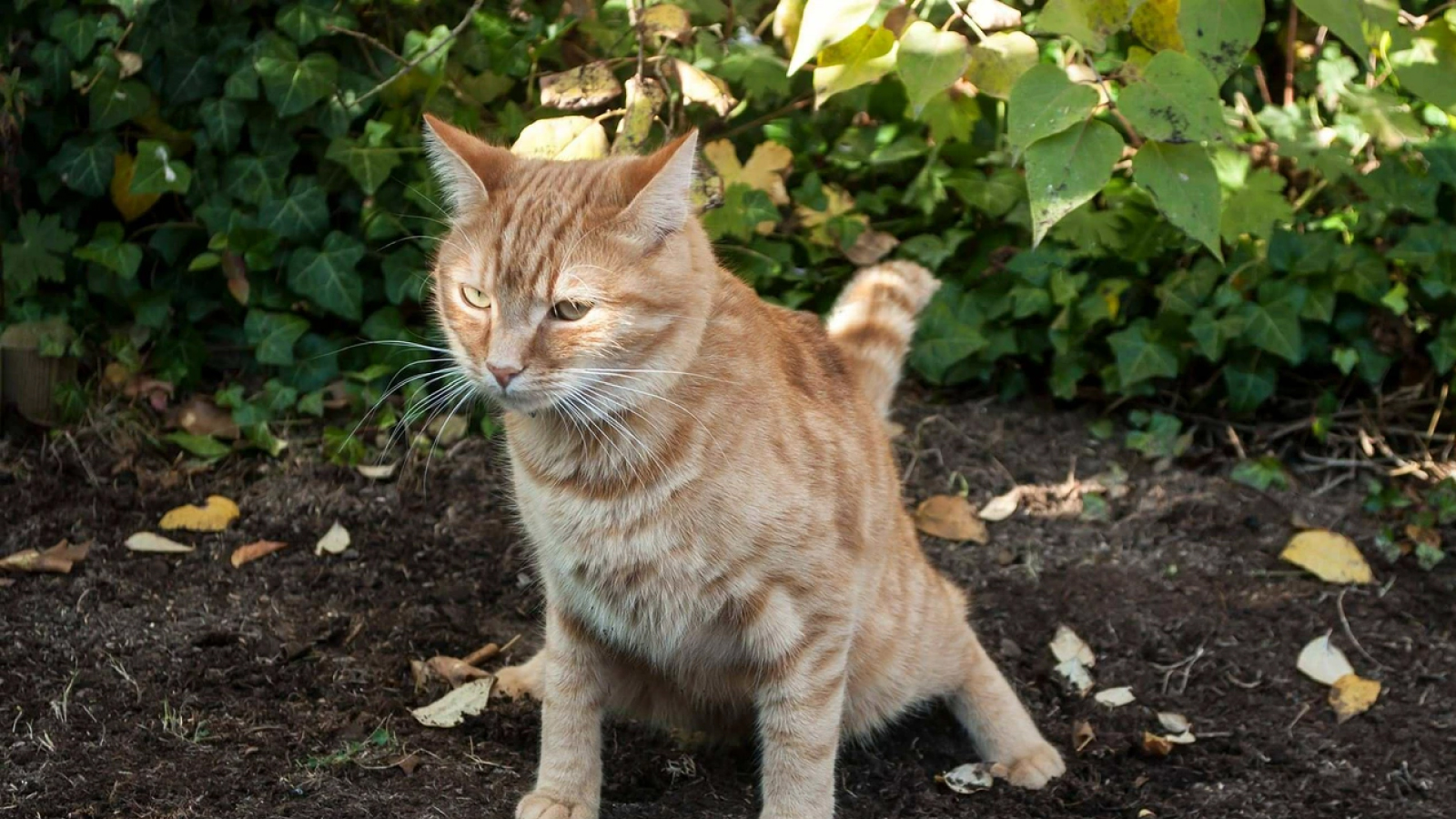
How is FPV Diagnosed in Clinical Practice?
Diagnosis combines history, clinical examination, hematology, and antigen or molecular testing. A cat presenting with acute vomiting, diarrhea, and pronounced leukopenia, particularly an unvaccinated kitten with known or potential exposure, should raise clinical suspicion for FPV.
Antigen testing is widely used as a first diagnostic step. These tests detect FPV antigen in feces and provide a result within minutes, allowing veterinarians to make timely decisions on isolation and case management without waiting for external laboratory turnaround. A positive antigen result in a cat with compatible clinical signs supports the diagnosis of panleukopenia.
A negative antigen result does not rule out infection. FPV shedding in feces can be intermittent, and antigen tests may be negative early in the disease course or when viral load is low. In a cat with a strong clinical suspicion of FPV but a negative antigen test, PCR testing on feces, whole blood, or tissue is more sensitive and should be considered to confirm or exclude infection. Serological antibody testing is not useful for diagnosis, as it cannot distinguish past vaccination from active infection.
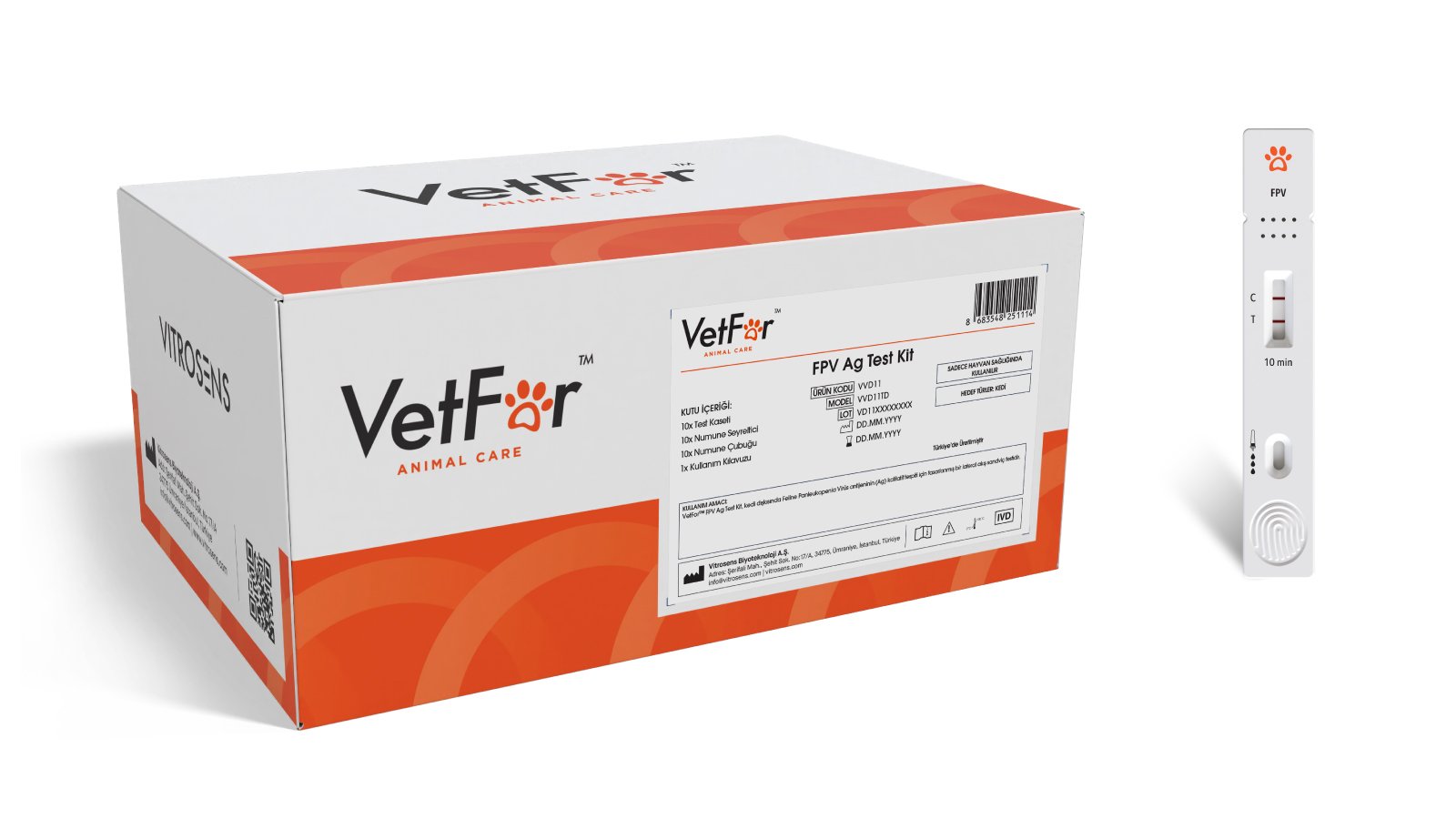
Vitrosens Biotechnology’s VetFor FPV Ag Test Kit is a point-of-care immunochromatographic assay designed to detect FPV antigen in feline fecal, vomitus, or rectal swab samples. It is intended to support veterinarians in the initial assessment of cats with clinical signs consistent with panleukopenia, providing a rapid result that can inform isolation and case management decisions while further diagnostic workup, including PCR where indicated, proceeds in parallel.
Contact us to learn more about the VetFor™ veterinary diagnostic portfolio for veterinary practice.
References
1. Truyen, U. et al. (2009). Feline panleukopenia: ABCD guidelines on prevention and management. Journal of Feline Medicine and Surgery, 11(7), 538–546.
2. European Advisory Board on Cat Diseases (ABCD). Guideline for Feline Panleukopenia. abcdcatsvets.org
3. Sykes, J.E. Feline Panleukopenia Virus Infection. MSD Veterinary Manual.
4. American Veterinary Medical Association (AVMA). Feline Panleukopenia (Feline Distemper) FAQ.
5. Stuetzer, B., Hartmann, K. (2014). Feline parvovirus infection and associated diseases. The Veterinary Journal, 201(2), 150–155.