

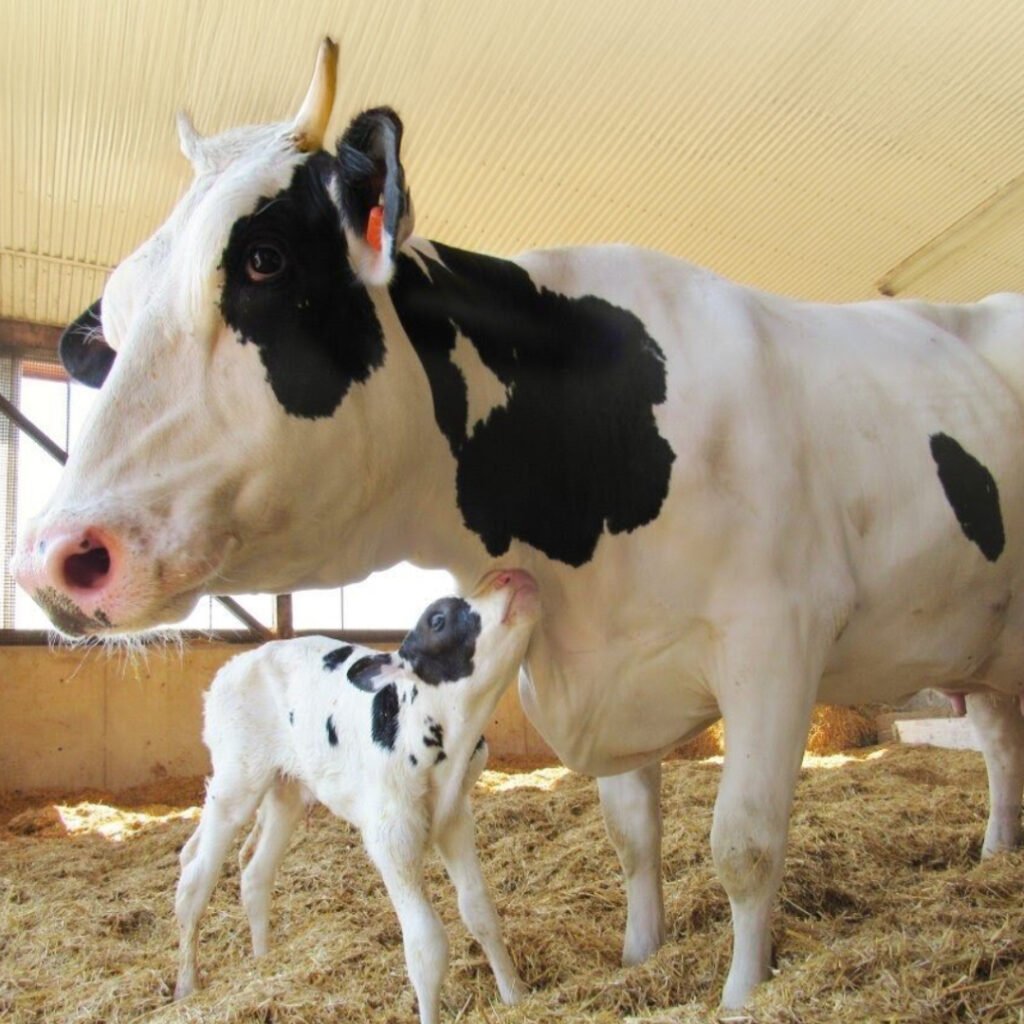
Knowing whether a bovine is pregnant is an important part of reproductive management. Pregnancy information can help veterinarians and livestock professionals make informed decisions regarding breeding programs, herd management, and follow-up examinations.
What Are Pregnancy-Associated Glycoproteins?
Placental tissues produce Pregnancy-Associated Glycoproteins (PAGs) during bovine pregnancy. Their presence in maternal blood can provide useful information when evaluating pregnancy status.Therefore, timely pregnancy assessment can contribute to more organized reproductive planning at the herd level.
Moreover, laboratory detection of pregnancy-associated biomarkers provides an additional approach to relying solely on visible physical changes. Veterinarians can evaluate PAG using serum or plasma samples as part of reproductive assessment.
Important: First, pregnancy status should be evaluated by a veterinary professional together with breeding history, clinical findings, and other appropriate reproductive examination methods when necessary.
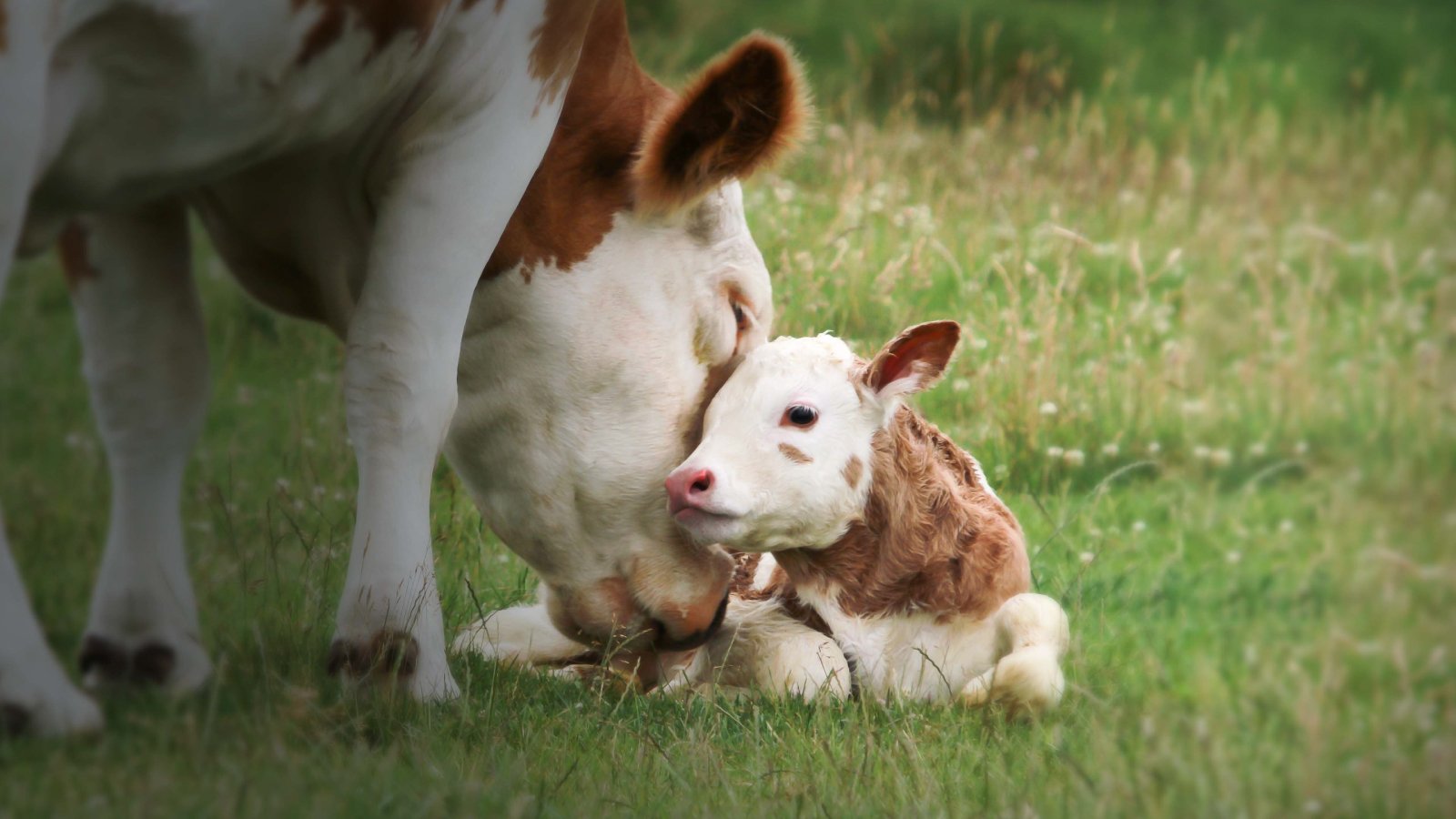
From Pregnancy Detection to Calving Management
Nine months of waiting isn’t just for humans, cows have a similar pregnancy journey too.
Confirming pregnancy is only one part of successful bovine reproductive management. Farmers and veterinarians also monitor cattle gestation, expected calving dates, and signs of approaching birth to plan nutrition, housing, dry-off periods, and calving supervision. Bovine gestation typically lasts around 280–285 days, although the exact duration may vary depending on breed, parity, fetal sex, and individual animal factors. Pregnancy testing can therefore support better herd planning when combined with breeding records and routine veterinary follow-up.
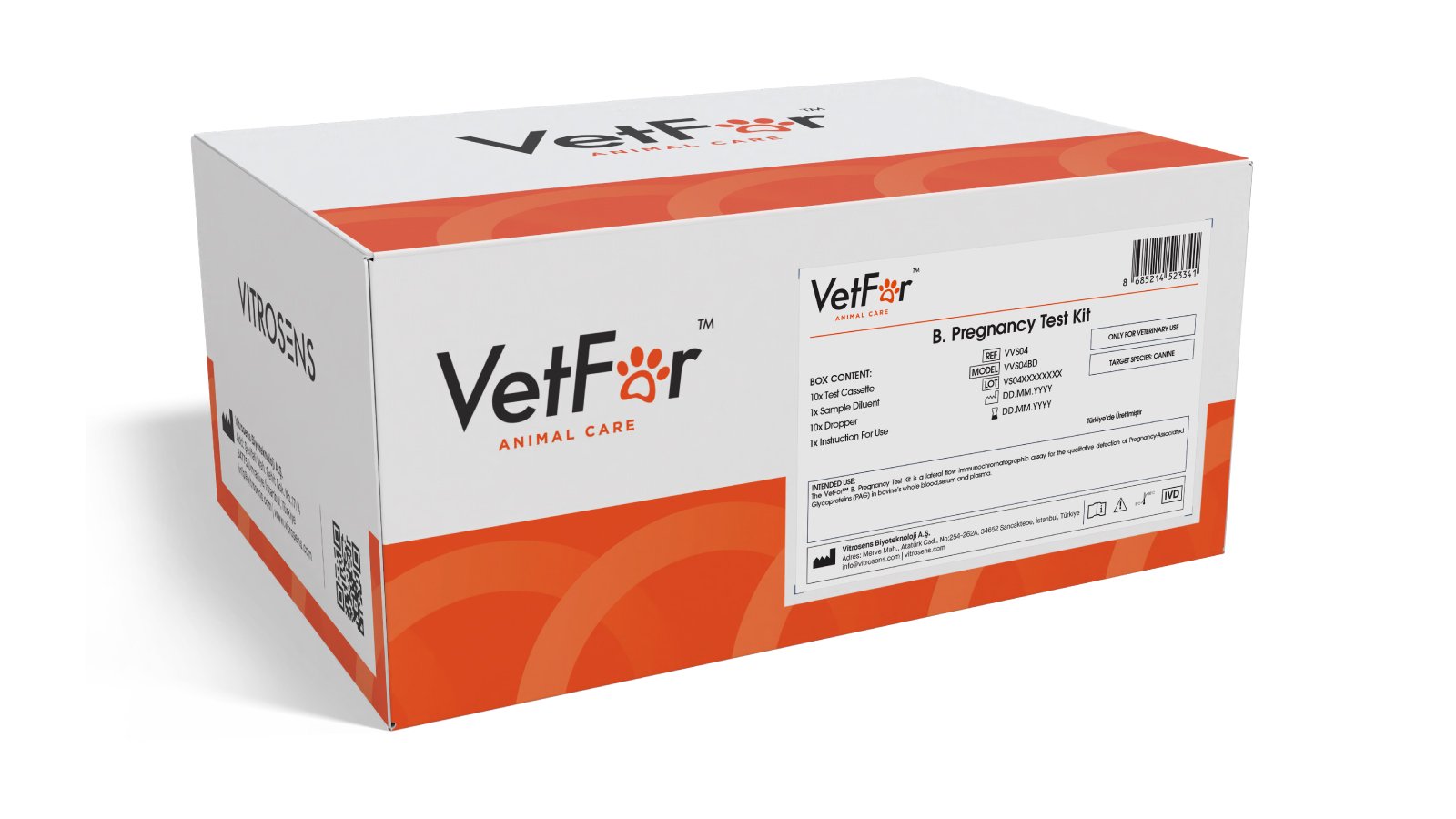
VetFor™ B. Pregnancy Test Kit
The VetFor B. Pregnancy Test Kit is a lateral flow immunochromatographic assay intended for the qualitative detection of Pregnancy-Associated Glycoproteins (PAG) in bovine serum and plasma samples.
The test provides a qualitative result regarding the presence of PAG and supports veterinary professionals in evaluating bovine pregnancy status.However, professionals should interpret the result together with the animal’s reproductive history and other relevant clinical findings.
For more information about the VetFor™ B. Pregnancy Test Kit and our veterinary diagnostic solutions, please contact us at contact@vitrosens.com or explore the VetFor™ Product Catalog to discover our full veterinary portfolio.
References
Food and Agriculture Organization of the United Nations (FAO). Puberty, Oestrus and Pregnancy – Gestation Length, Parturition and Uterine Involution. Information on gestation length in cattle, including reported ranges among Bos taurus and Bos indicus breeds.
Mee, J. F. et al. Gestation length and its associations with calf birth weight, calf perinatal mortality, and dystocia in dairy cattle. Journal of Dairy Science, 2025. The study reported a mean bovine gestation length of approximately 280.6 days and examined variation related to breed, parity, calf sex, and other factors.