

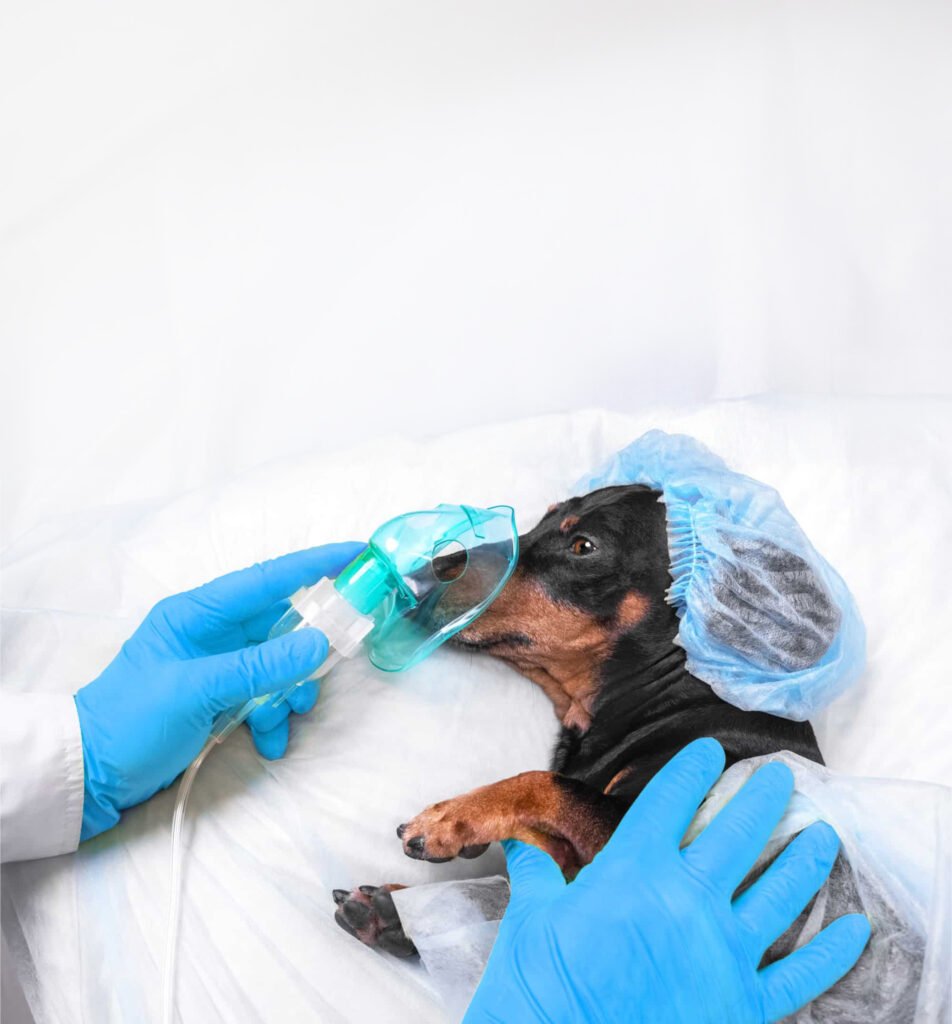
When a Cough Is More Than Just a Cough
Coughing, nasal discharge, sneezing, reduced activity, or changes in breathing can occur with several canine respiratory conditions. The challenge is that different infectious agents may cause very similar clinical signs, and more than one organism may sometimes be involved.
Canine infectious respiratory disease is therefore better understood as a complex involving multiple potential pathogens rather than a single infection.
Merck Veterinary Manual lists organisms including Bordetella bronchiseptica, canine parainfluenza virus, canine adenovirus type 2, and canine influenza virus among recognized causes of canine infectious tracheobronchitis.
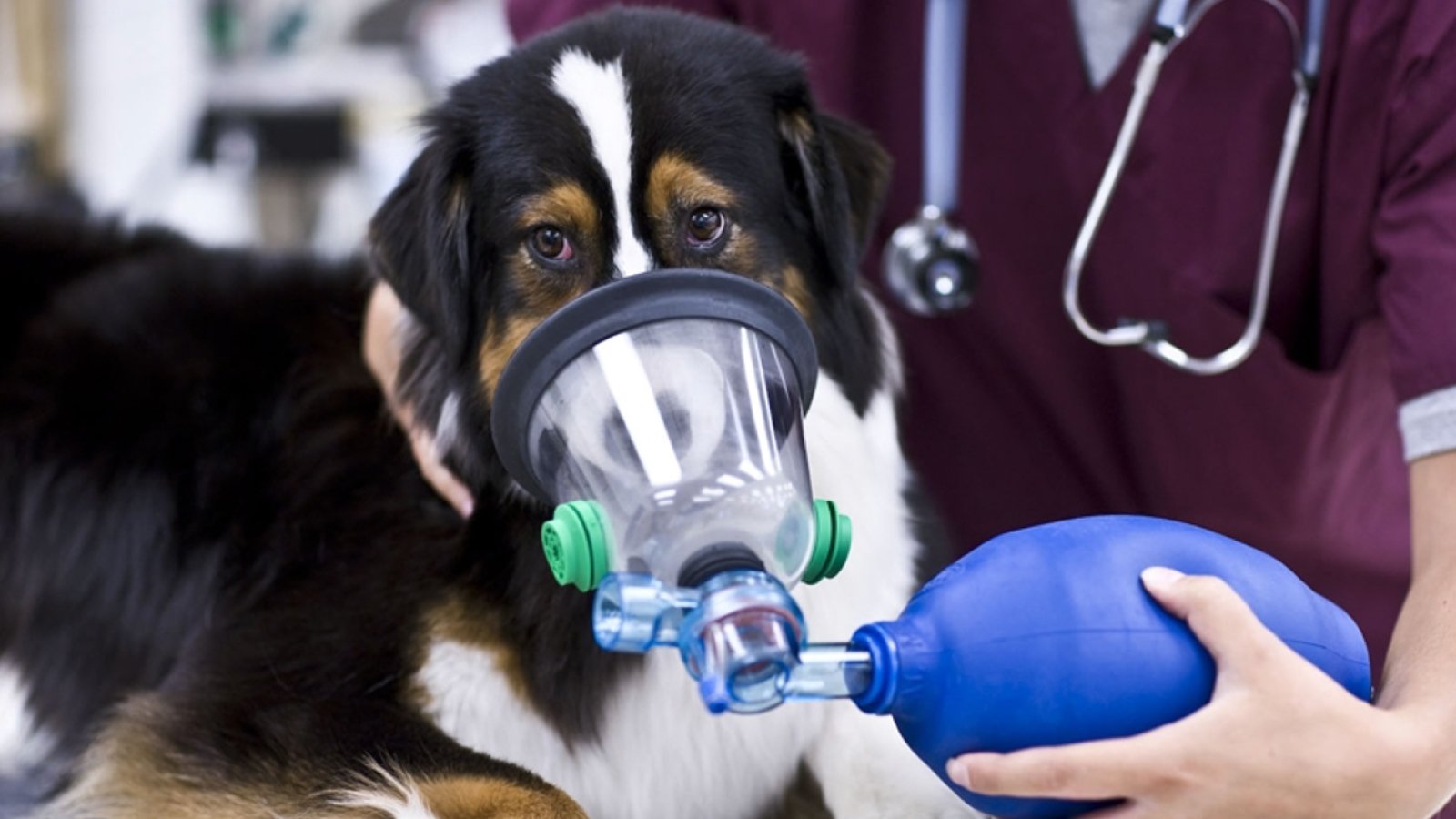
Which Pathogens May Be Involved?
Respiratory disease in dogs may involve both viral and bacterial agents. Some viruses can directly affect the respiratory tract, while damage to respiratory defenses may also make secondary bacterial infection more likely.
Canine distemper virus, adenoviruses, parainfluenza virus, and influenza virus have all been associated with respiratory disease. Bordetella bronchiseptica is another well-recognized respiratory pathogen.
Clinical signs can include:
• Coughing
• Sneezing
• Nasal discharge
• Fever
• Lethargy
• Reduced appetite
• Difficulty breathing in more severe disease
These signs cannot identify the causative pathogen by themselves.
VetFor™ Canine Respiratory ID-10 Genotyping qPCR Kit
The VetFor™ Canine Respiratory ID-10 Genotyping qPCR Kit is designed for qualitative molecular detection of selected canine respiratory pathogens in nasopharyngeal and oropharyngeal swab samples.
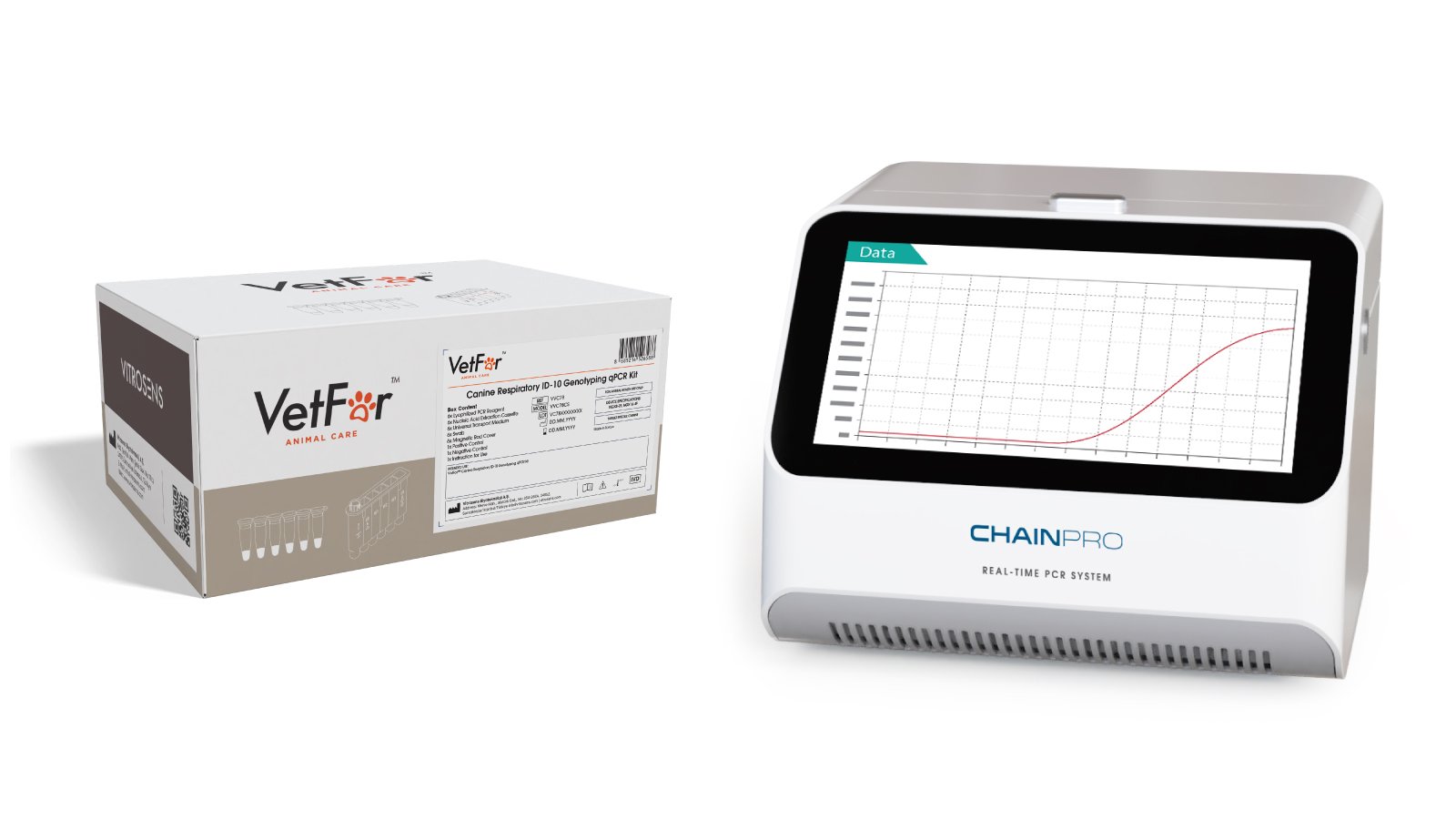
The panel includes:
- Bordetella bronchiseptica
- Canine Parainfluenza Virus
- Influenza A
- Mycoplasma spp.
- Astrovirus
- Canine Distemper Virus
- Canine Adenovirus Type 1–2
- Streptococcus spp.
- Canine Respiratory Coronavirus
- Canine Pneumovirus
The assay uses real-time PCR technology for selected DNA and RNA pathogen targets.
Why Can Multi-Target Testing Matter?
Respiratory signs can overlap extensively between pathogens. In addition, mixed infections may complicate the clinical picture.
A molecular respiratory panel can provide laboratory information on multiple selected targets from the same clinical investigation, helping veterinary professionals assess possible infectious contributors alongside clinical history and examination findings.
Important: Detection or non-detection of a pathogen should not be interpreted independently. Clinical signs, vaccination history, exposure history, sample quality, and other diagnostic findings remain important.
For more information about the VetFor™ Canine Respiratory ID-10 Genotyping qPCR Kit, contact us at contact@vitrosens.com or explore the VetFor™ Product Catalog to discover our full veterinary portfolio.
References
- Merck Veterinary Manual. Kennel Cough – Canine Infectious Tracheobronchitis.
- Merck Veterinary Manual. Overview of Respiratory Diseases of Dogs and Cats.
- Cornell University College of Veterinary Medicine. The Risks of Kennel Cough. Describes canine infectious respiratory disease (CIRD) as a complex involving pathogens such as Bordetella bronchiseptica, parainfluenza virus, adenovirus and Mycoplasma, and summarizes common transmission routes and clinical signs.
- University of Wisconsin–Madison School of Veterinary Medicine, Shelter Medicine Program. Diagnostic Testing. Discusses the role of real-time PCR respiratory panels in investigating infectious respiratory disease in dogs and cats.