


Why Do Cats Develop Respiratory Disease?
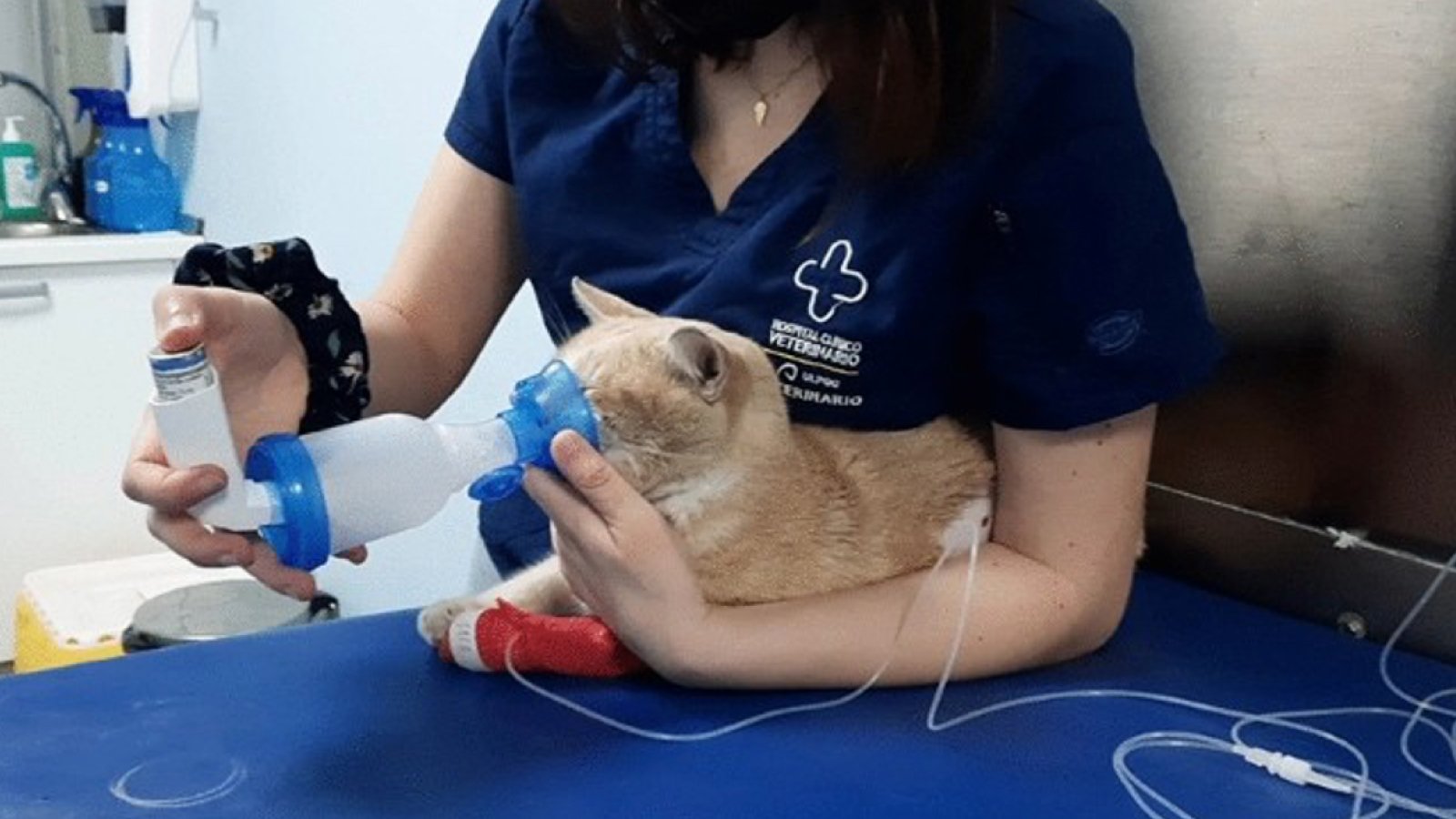
Sneezing once or twice may not seem unusual, but persistent sneezing, nasal discharge, watery eyes, conjunctivitis, fever, or reduced appetite can indicate respiratory disease.
The term feline respiratory disease complex describes respiratory illness that may involve several viral and bacterial agents. Feline herpesvirus type 1 and feline calicivirus are major contributors, while Chlamydia felis, Mycoplasma species, and Bordetella bronchiseptica may also be involved.
Similar Signs, Different Pathogens
Feline respiratory infections often overlap clinically.
Feline Herpesvirus-1 (FHV-1) commonly affects the eyes and nasal passages, while Feline Calicivirus (FCV) may be associated with oral ulcers as well as respiratory signs. Chlamydia felis is particularly associated with conjunctivitis, while Mycoplasma species may affect the conjunctiva and respiratory tract.
Possible signs include:
• Sneezing
• Nasal discharge
• Eye discharge
• Conjunctivitis
• Fever
• Reduced appetite
• Salivation
• Oral ulceration
• Respiratory difficulty in severe cases
Co-infections can occur, which can make clinical differentiation more difficult.
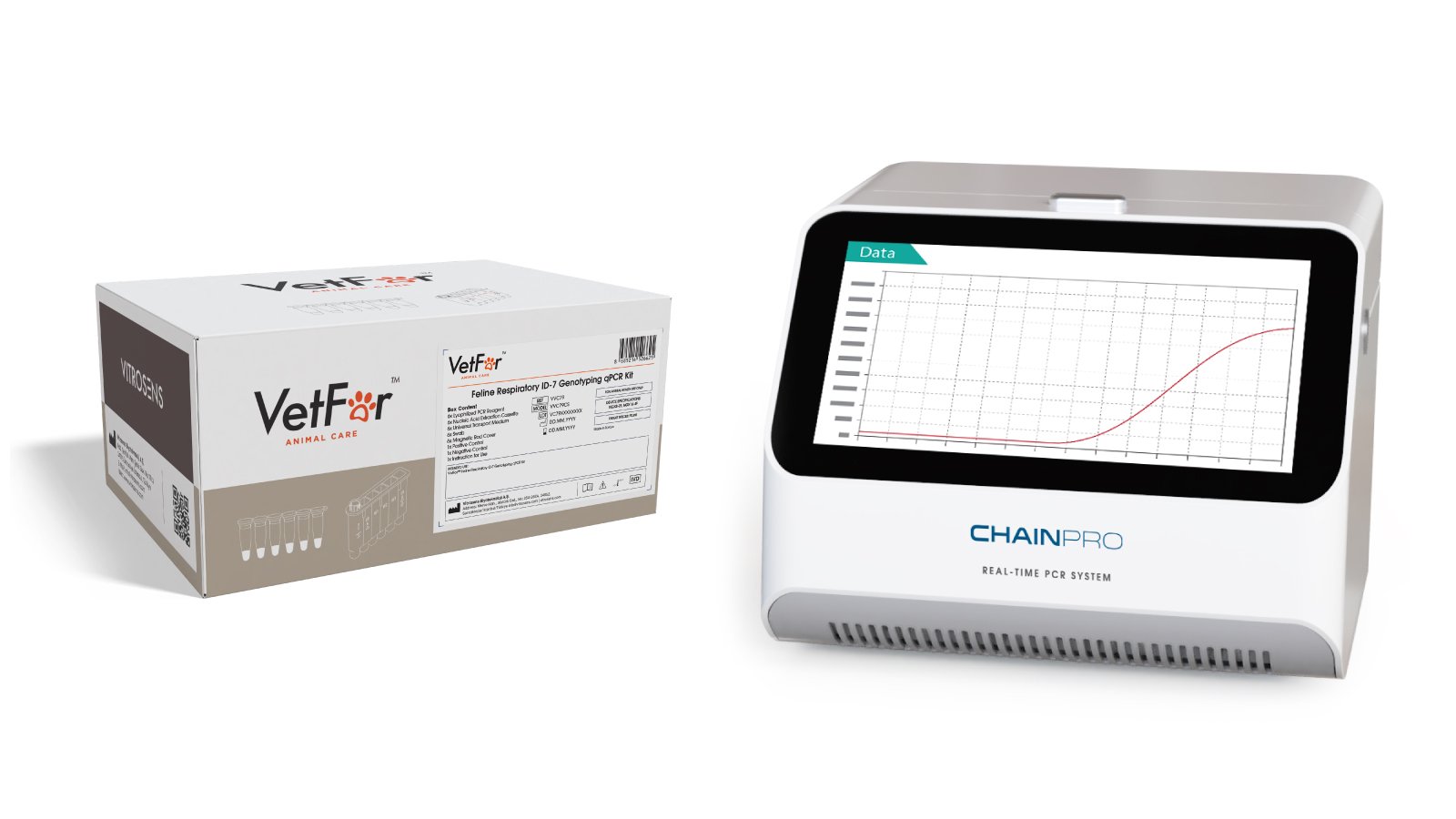
VetFor™ Feline Respiratory ID-7 Genotyping qPCR Kit
The VetFor™ Feline Respiratory ID-7 Genotyping qPCR Kit is designed for the qualitative molecular detection of selected feline respiratory pathogens using nasopharyngeal and oropharyngeal swab samples.
The seven-target panel includes:
- Pasteurella multocida
- Mycoplasma spp.
- Bordetella bronchiseptica
- Feline Herpesvirus-1
- Feline Calicivirus
- Chlamydia spp.
- Streptococcus spp.
Real-time PCR enables selected pathogen nucleic acids to be investigated within a molecular testing workflow.
Why Is Laboratory Testing Important?
The clinical signs of feline respiratory infections often overlap, and coinfections are possible. Laboratory testing can therefore help identify which selected pathogen targets are present in an appropriate sample.
However, molecular detection should always be interpreted within the whole clinical picture. Some organisms may also be detected in animals without obvious disease, and pathogen shedding can vary over time. ABCD specifically notes that Mycoplasma felis, for example, may be identified both in symptomatic cats and in apparently healthy cats living with infected animals.
Important: A molecular result is one part of veterinary assessment and should be interpreted together with clinical signs, history, vaccination status, and other relevant findings.
For more information about the VetFor™ Feline Respiratory ID-7 Genotyping qPCR Kit, contact us at contact@vitrosens.com or explore the VetFor™ Product Catalog to discover our full veterinary portfolio.
References
- Merck Veterinary Manual. Feline Respiratory Disease Complex. Nov 2024
- European Advisory Board on Cat Diseases (ABCD). Feline Calicivirus Infection Guideline.
- ABCD. Feline Respiratory Mycoplasma Infections Guideline.
- ABCD. Chlamydia felis Guideline. 2009