

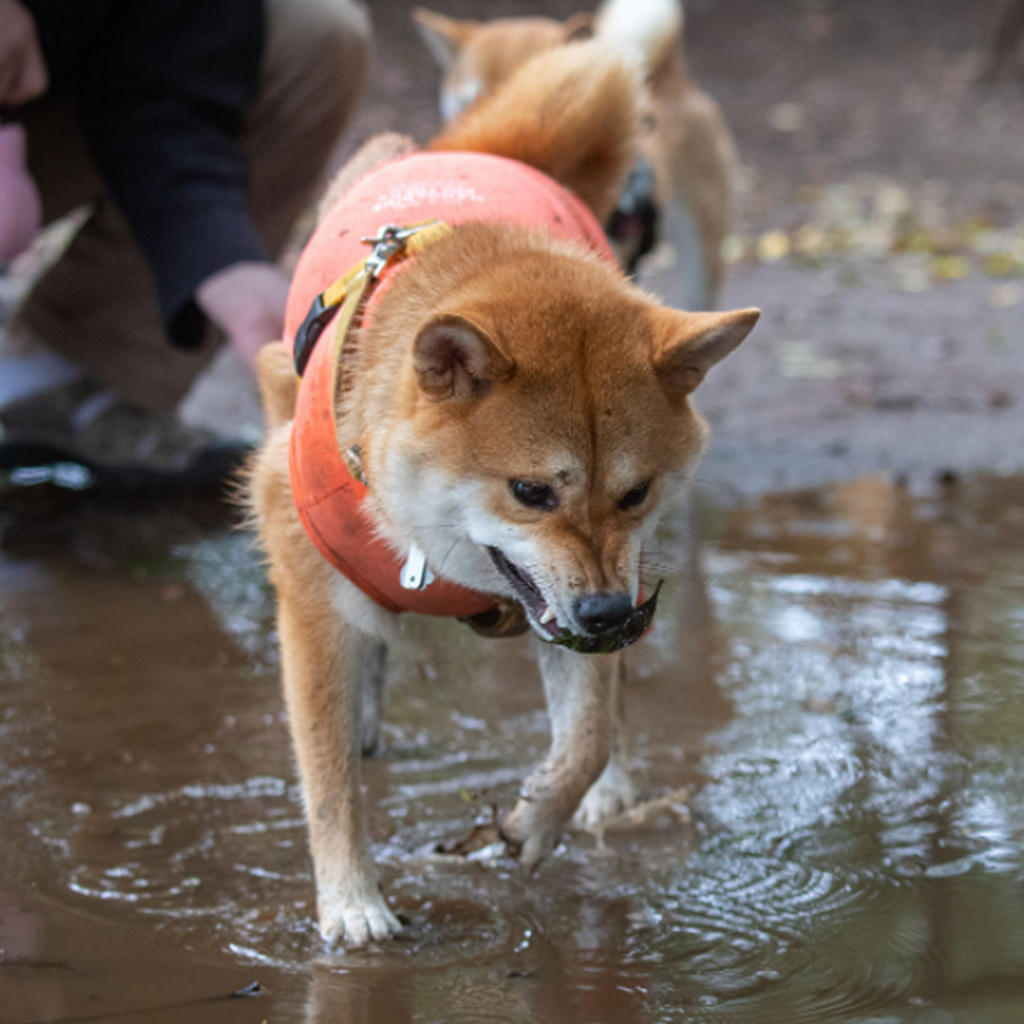
A walk through a park, a rainy afternoon, or a drink from a puddle may seem harmless. However, certain environments can expose dogs to infectious agents that are not always visible.
One example is leptospirosis, a bacterial disease that can affect both animals and humans. Its potential to cause serious illness, together with its zoonotic importance, makes it a relevant concern for veterinary professionals and dog owners.
What Is Canine Leptospirosis?
Leptospirosis is an infectious disease caused by pathogenic bacteria belonging to the genus Leptospira.
Several animal species, including dogs, livestock, and wildlife, can be affected by the disease. Infected animals may shed the bacteria through their urine, potentially contaminating water, soil, and surrounding environments.
Dogs can become infected when bacteria enter the body through mucous membranes or damaged skin following exposure to contaminated environments.
According to the Centers for Disease Control and Prevention (CDC), leptospirosis occurs worldwide and is particularly associated with environments where infected animals and suitable conditions allow the bacteria to persist.
Although outdoor exposure is an important consideration, leptospirosis is not limited to rural areas. Urban environments may also present risks, particularly where rodents and contaminated water are present.
What Are the Possible Signs of Leptospirosis in Dogs?
The clinical presentation of canine leptospirosis can vary considerably. Some infected dogs may show mild or nonspecific symptoms, while others develop severe systemic illness.
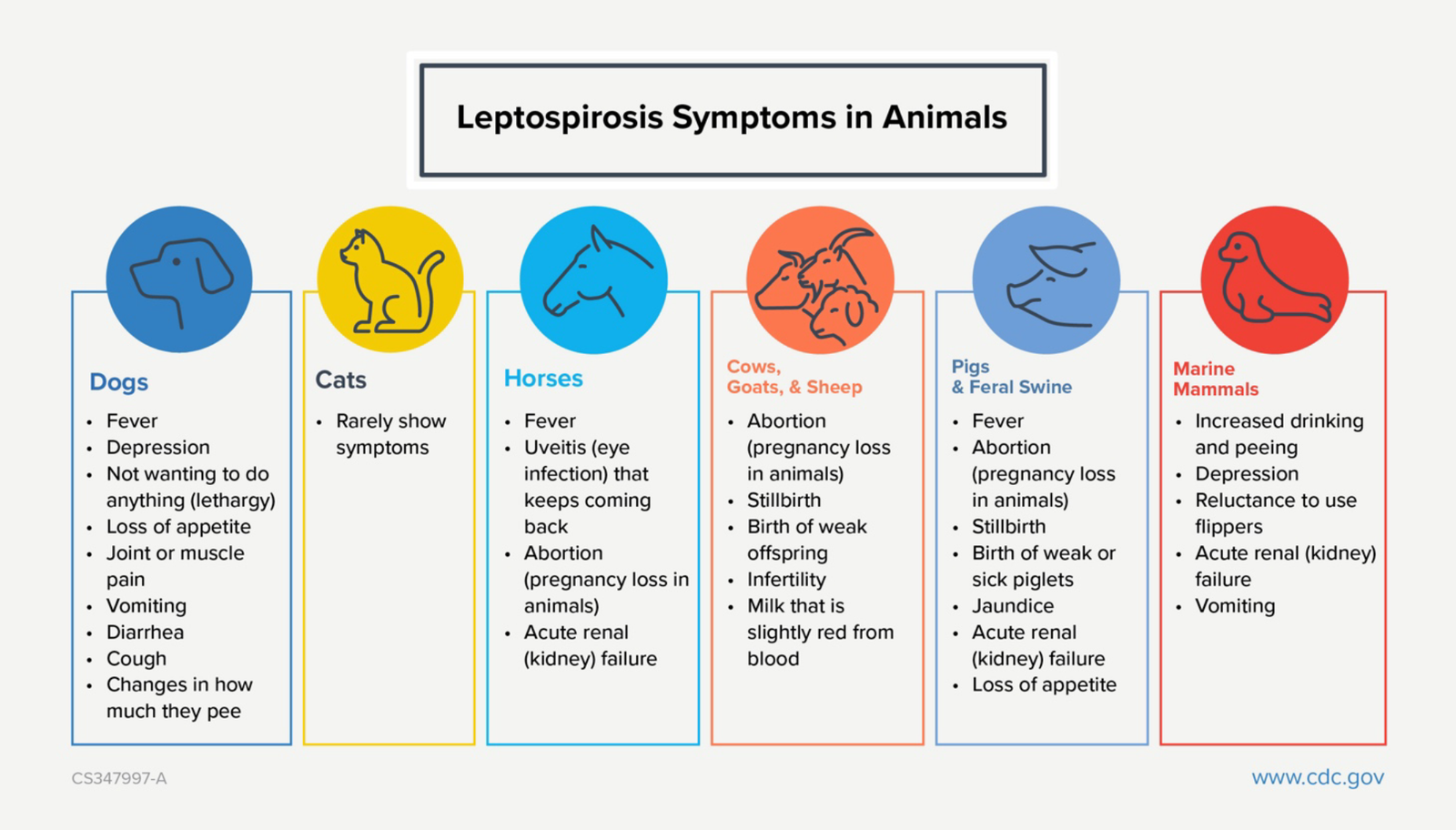
Possible signs include:
• Fever and lethargy
• Reduced appetite
• Vomiting or diarrhea
• Increased thirst or changes in urination
• Muscle pain or reluctance to move
• Dehydration
• Jaundice in some affected dogs
In severe cases, leptospirosis can cause acute kidney injury, liver dysfunction, and other systemic complications. However, these clinical signs are not specific to leptospirosis and may also occur with other infectious or non-infectious diseases.
Important: Dogs showing suspected signs of leptospirosis should receive prompt veterinary evaluation. Clinical observations alone cannot establish a definitive diagnosis.
Why Is Leptospirosis Considered a One Health Concern?
Leptospirosis demonstrates the close relationship between animal health, human health, and environmental conditions. Because pathogenic Leptospira bacteria can infect both animals and humans, the disease is considered an important zoonosis.
Exposure may occur through contact with urine from infected animals or environments contaminated with the bacteria. Environmental conditions, wildlife reservoirs, rodent populations, and water management can all influence exposure risks.
Such interconnected risks highlight the importance of the One Health approach, which recognizes that protecting animal, human, and environmental health often requires coordinated efforts.
Veterinary awareness, appropriate hygiene, environmental management, and disease prevention therefore contribute to broader health protection.
How Can Molecular Diagnostics Support Leptospirosis Investigation?
Diagnosing leptospirosis can be challenging because clinical signs overlap with those of other canine diseases.
PCR-based methods detect Leptospira genetic material in appropriate clinical specimens and can provide useful information during the investigation of suspected infections.
Careful interpretation of molecular test results remains essential. Detection can be influenced by sample type, timing of collection, bacterial concentration, and previous antimicrobial treatment.
VetFor™ Leptospira Detection Kit
The VetFor™ Leptospira Detection Kit is a lyophilized real-time PCR (qPCR) assay designed for the qualitative detection of Leptospira DNA in whole blood samples from companion animals.
The kit combines molecular detection technology with a lyophilized reagent format, supporting laboratory workflows in veterinary diagnostics.
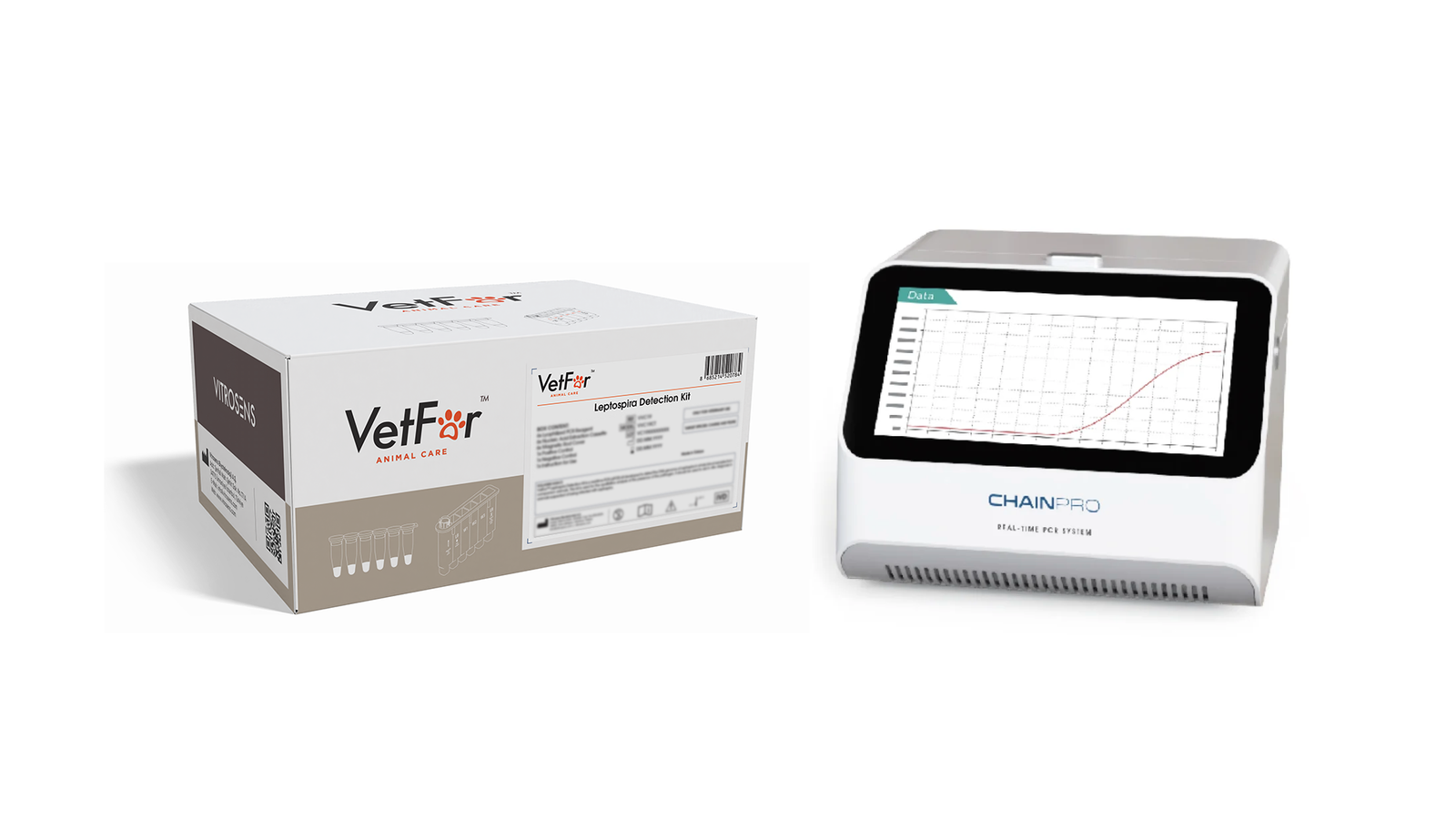
It is intended to assist veterinary professionals in the investigation of suspected Leptospira infections. Test results should be interpreted alongside clinical findings, exposure history, and other relevant laboratory information.
Supporting Animal and Public Health Through Awareness
Canine leptospirosis highlights how infectious diseases can connect animal health, environmental conditions, and public health.
Recognizing potential exposure risks, understanding clinical signs, and applying appropriate diagnostic methods can support veterinary investigation and disease management.
As the One Health approach continues to emphasize cooperation across health disciplines, awareness of zoonotic infections such as leptospirosis remains important.
For more information about the VetFor™ Leptospira Detection Kit and our veterinary molecular diagnostic portfolio, contact us at contact@vitrosens.com to discover our full veterinary portfolio.
References
- American College of Veterinary Internal Medicine (ACVIM). Sykes, J. E., et al. (2023). Updated ACVIM Consensus Statement on Leptospirosis in Dogs. Journal of Veterinary Internal Medicine. Diagnosis, treatment, and prevention of canine leptospirosis.
- World Health Organization (WHO). One Health. The interconnected relationship between human, animal, and environmental health.