


Pet care is no longer limited to choosing the right food, taking regular walks, or keeping up with routine veterinary visits.
As pet owners pay closer attention to longer and healthier lives for cats and dogs, a different question is becoming more important:
‘What changes in the body before a health problem becomes obvious?’
Pet care is becoming more proactive
Today, many pet owners are not only focused on treating illness. They are also becoming more interested in monitoring health before clear symptoms appear.
That matters because some health problems may develop gradually. A cat or dog can still appear active, eat normally and follow its usual routine while certain biological changes are already taking place.
This is where laboratory parameters can add another layer of information alongside physical examination and clinical evaluation.

🐈 Cats may hide early changes
Cats are well known for showing only subtle signs when something is wrong. Small changes in appetite, activity, water intake or body weight can easily be overlooked, especially when they develop slowly.
For this reason, routine veterinary checks and laboratory testing may become especially valuable when assessing feline health over time.
🐕 Dogs may also benefit from regular monitoring
In dogs, monitoring needs can vary depending on age, lifestyle, nutrition, activity level and overall health status. A single test result rarely tells the whole story.
However, when selected laboratory parameters are interpreted together with clinical findings, they can help veterinarians build a clearer picture of the animal’s condition.
From diagnosis to monitoring
Laboratory testing in veterinary medicine is not only about answering one question:
“Is there a disease or not?”
In many cases, the value also lies in following how certain parameters change over time. This can support:
• routine health assessment
• investigation of clinical concerns
• follow-up during treatment or monitoring
• earlier recognition of meaningful changes
The important point is not always one isolated result. It is often the trend behind that result.
VetFor™ Rapid Test Solutions for Cats and Dogs
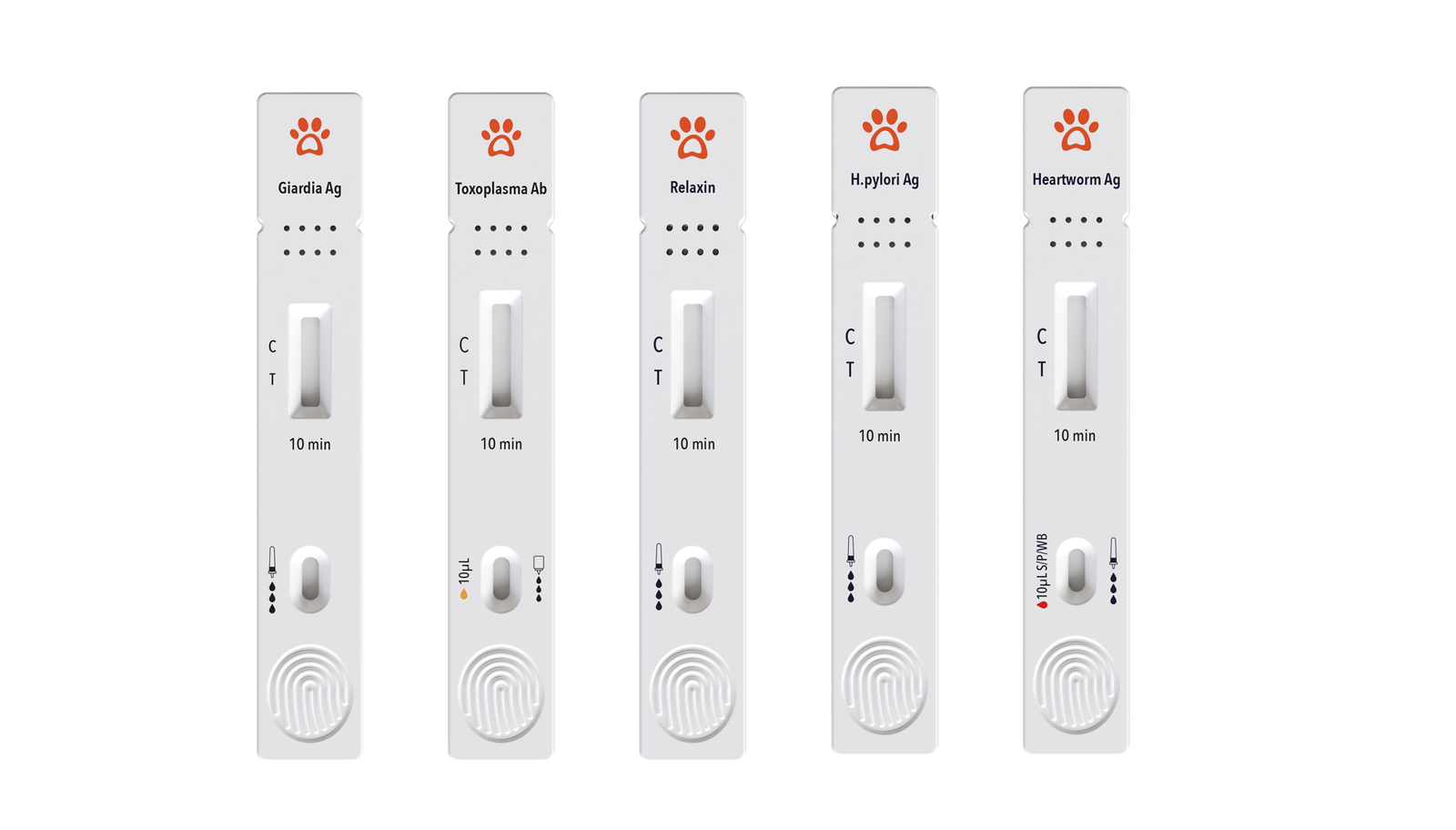
VetFor™ offers lateral flow-based rapid test solutions for both canine and feline health. The portfolio includes tests for different health needs such as Heartworm Ag, H. pylori Ag, Relaxin, Toxoplasma Ab and Giardia Ag.
Designed for practical veterinary use, these rapid tests provide qualitative results through simple workflows and can support routine diagnostic evaluation in clinics.
VetFor Perspective
Pet ownership is becoming more data-driven, but the responsibility behind that data still belongs to people.
Owners are the first to notice changes in appetite, activity, sleep, or behavior. Veterinarians then combine those observations with examination findings and when needed, laboratory results.
That creates a more complete picture of animal health. The opportunity for modern veterinary diagnostics is therefore not only to confirm disease, but also to support better follow-up and better-timed decisions.
For more information about the VetFor™ our veterinary rapid diagnostic portfolio, contact us at contact@vitrosens.com to discover our full veterinary portfolio.
References
- American Animal Hospital Association (AAHA). AAHA Canine Life Stage Guidelines. Journal of the American Animal Hospital Association. 2019.
- American Animal Hospital Association (AAHA) & American Association of Feline Practitioners (AAFP). AAHA/AAFP Feline Life Stage Guidelines. 2021.
- Barrett S. Preventative Health Care for Small Animals. Merck Veterinary Manual. Updated June 2025.
- American Animal Hospital Association (AAHA). Canine Life Stage Health Checklists. Recommendations for individualized preventive care and diagnostic screening across canine life stages.