


Cats are often good at hiding signs of illness. A small change in appetite, spending more time alone, or gradually losing weight may seem insignificant at first. However, these changes can sometimes indicate an underlying health condition that requires veterinary attention.
November is recognized as Pet Cancer Awareness Month, an opportunity to raise awareness about cancer in companion animals and highlight the importance of recognizing changes in their health.
For cats, understanding possible warning signs and the role of veterinary diagnostics can contribute to a more informed approach to health management.
What Is Cancer in Cats?
Cancer develops when abnormal cells grow uncontrollably and may invade surrounding tissues or spread to other parts of the body.
Although cancer can affect cats of different ages, certain types are more frequently observed in older animals.
Examples of cancers affecting cats include:
- Lymphoma: A cancer affecting lymphocytes that may involve different organs and tissues.
- Squamous Cell Carcinoma: A malignant tumor that can affect the skin or oral cavity.
- Mammary Tumors: Tumors developing in mammary tissue.
- Fibrosarcoma: A malignant tumor originating from fibrous connective tissue.
Clinical presentation and disease progression may vary depending on the type, location, and stage of cancer.
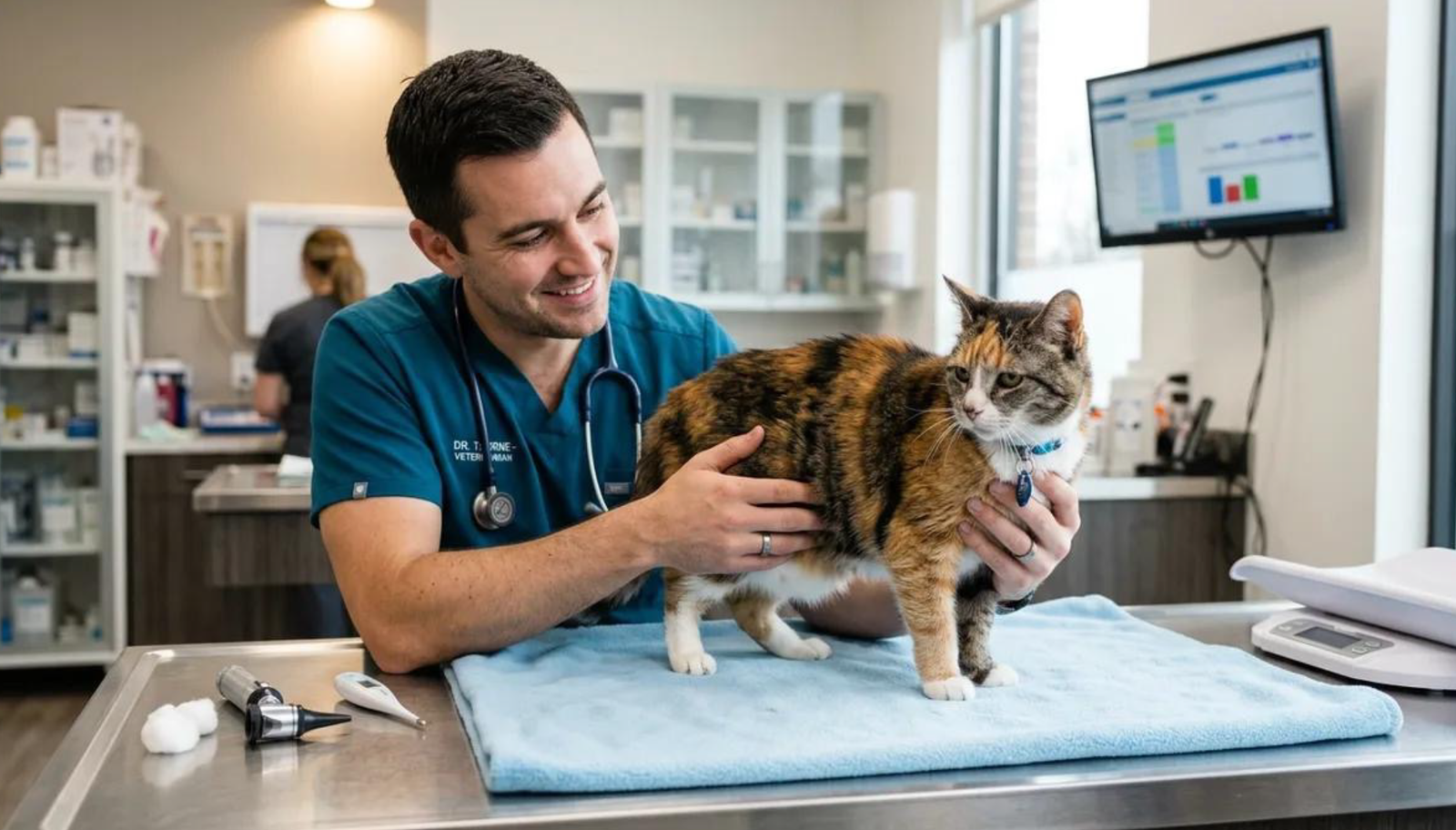
What Are the Possible Warning Signs of Cancer in Cats?
According to Cornell University College of Veterinary Medicine, early signs of feline cancer can be subtle and may resemble those associated with other diseases.
Possible warning signs include:
• Unexplained weight loss
• Reduced appetite
• Persistent lethargy or behavioral changes
• New or growing lumps
• Non-healing wounds
• Difficulty eating or swallowing
• Persistent vomiting or diarrhea
• Abnormal swelling
Important: These signs are not specific to cancer and may also occur with infectious, inflammatory, or other medical conditions. Veterinary evaluation is necessary to investigate their underlying cause.
How Are Cancer and Inflammation Connected?
Inflammation is part of the body’s biological response to infection, tissue injury, and various disease processes.
Certain neoplastic diseases may also be associated with inflammatory responses. During these responses, the concentrations of specific proteins in the blood may change.
These proteins, known as acute-phase proteins (APPs), can provide additional information about inflammatory activity. In feline medicine, one of the major acute-phase proteins is serum amyloid A (SAA).
What Is Feline Serum Amyloid A (fSAA)?
Feline serum amyloid A (fSAA) is an acute-phase protein produced primarily by the liver in response to inflammatory stimuli.
Its concentration may increase in association with several conditions, including infections, inflammatory diseases, tissue injury, and certain neoplastic diseases.
Scientific studies identify SAA as an important biomarker for evaluating inflammatory responses in cats. However, its concentration alone cannot determine the underlying cause of inflammation.
fSAA is not a cancer-specific biomarker. Elevated concentrations do not confirm cancer, and normal concentrations do not exclude it.
Cancer investigation may require physical examination, imaging, cytology, histopathology, and other appropriate diagnostic methods.
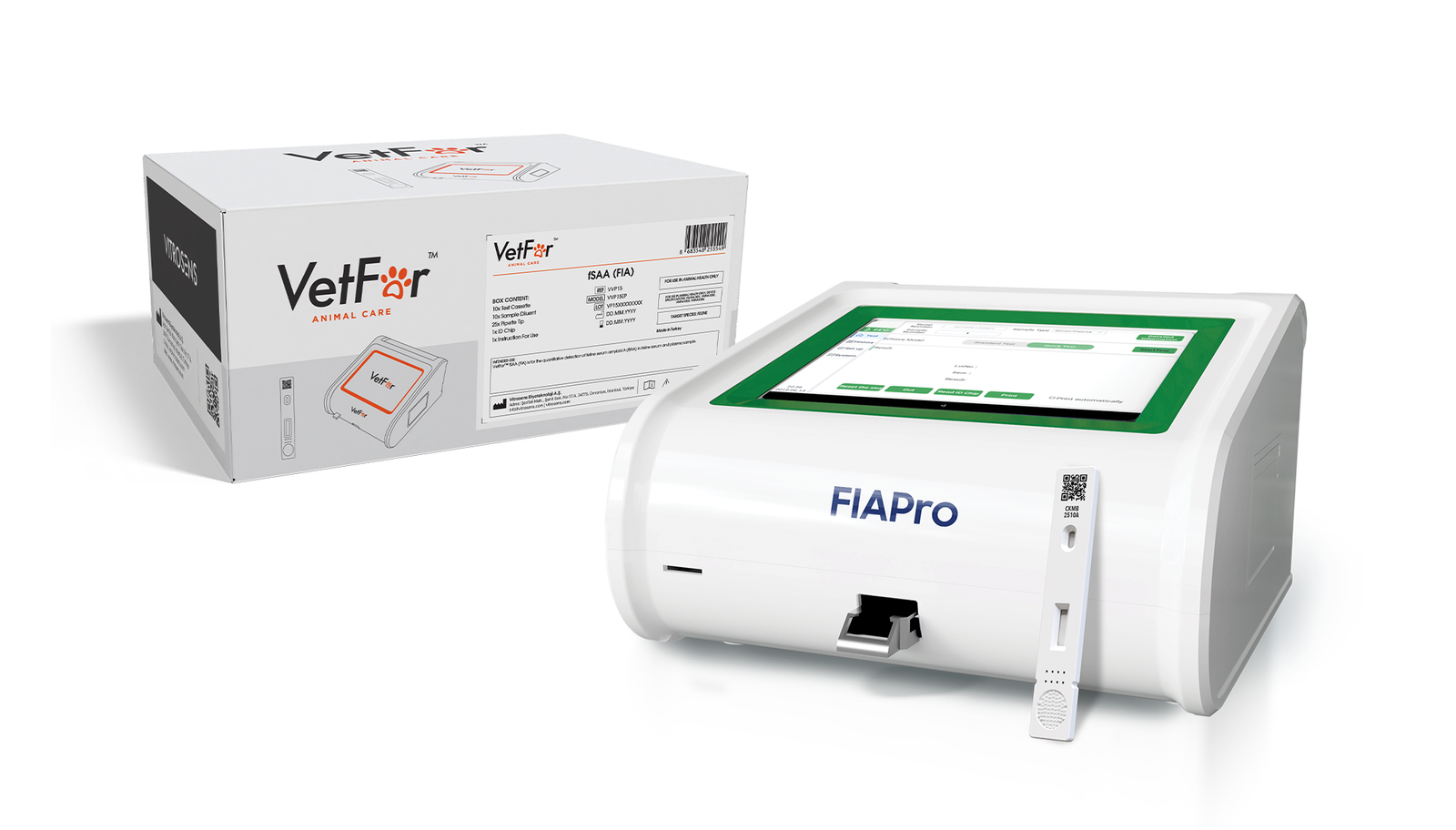
VetFor™ fSAA (FIA)
The VetFor™ fSAA (FIA) test is a fluorescence immunoassay designed for the quantitative detection of feline serum amyloid A (fSAA) in feline serum and plasma samples.
Quantitative measurement of fSAA may provide additional information when veterinary professionals evaluate inflammatory responses in cats.
Test results should be interpreted alongside clinical findings, medical history, and other relevant laboratory information.
Beyond November: Every Change Matters
Pet Cancer Awareness Month serves as a reminder that feline health deserves attention throughout the year.
Recognizing changes in daily behavior, maintaining regular veterinary examinations, and investigating persistent clinical signs are important components of responsible pet care.
Understanding the distinction between disease-specific diagnostic methods and supportive laboratory biomarkers is equally important for informed veterinary assessment.
For more information about the VetFor™ fSAA (FIA) test and our veterinary diagnostic portfolio, contact us at contact@vitrosens.com to discover our full veterinary portfolio.
References
- The Animal Medical Center (AMC). 2026 Pet Holidays and Veterinary Awareness Days. November Pet Cancer Awareness Month.
- Cornell University College of Veterinary Medicine. Warning Signs of Cancer.
- American Veterinary Medical Association (AVMA). Cancer in Pets. Clinical signs and diagnostic approaches.
- Paltrinieri, S. (2008). The Feline Acute Phase Reaction. Veterinary Journal.
- Rossi, G. (2023). Acute Phase Proteins in Cats: Diagnostic and Prognostic Role, Future Directions, and Analytical Challenges. Veterinary Clinical Pathology.