


Equine influenza is one of the fastest-spreading infectious diseases in horses. In a busy yard or at an event, H3N8 can move through a susceptible group in days, forcing movement restrictions and disrupting training and competition plans. WOAH notes an incubation period typically around 1-3 days, and once introduced into a susceptible population, outbreaks can be explosive.
What is Equine Influenza H3N8?
Equine influenza is caused by influenza A viruses that infect the upper respiratory tract. The H3N8 subtype is the key subtype associated with modern equine outbreaks and is a main focus of surveillance and vaccine updates

How does it spread?
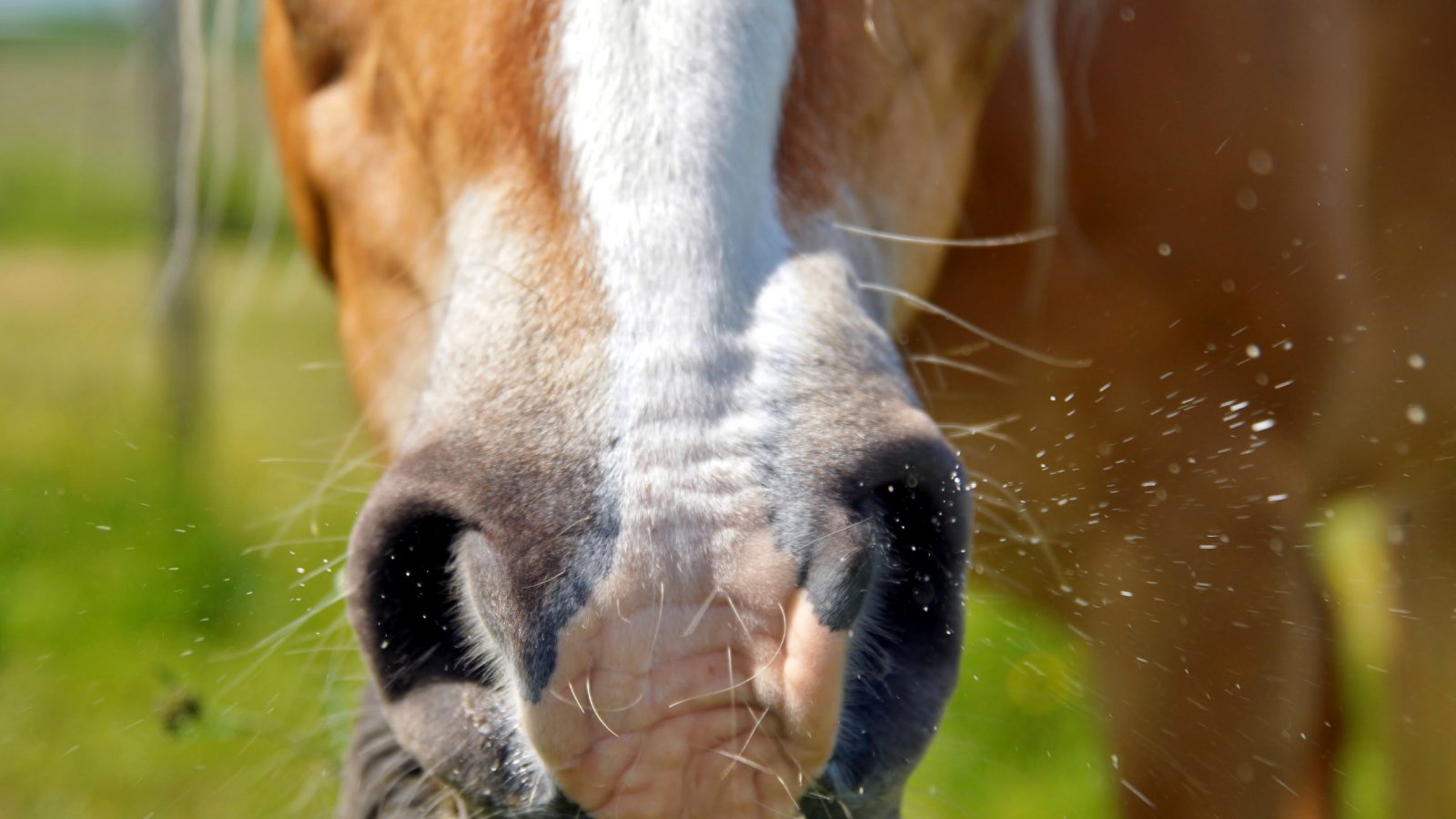
The virus is shed in nasal secretions and spreads mainly by inhalation of droplets and aerosols produced by coughing. Close housing, shared airspace, frequent horse movement, and shared equipment can accelerate transmission, especially when new horses are introduced without quarantine.
Clinical signs you will notice
Most cases start suddenly with fever, dullness, and a dry, frequent cough, followed by nasal discharge. Many horses recover with supportive care, but cough and reduced performance may persist. Secondary bacterial infections can prolong recovery, particularly if horses return to work too soon.
Diagnosis and sampling
Clinical signs overlap with other equine respiratory pathogens, so laboratory confirmation is important. WOAH describes RT-PCR and real-time RT-PCR as widely used methods for detection in diagnostic laboratories. Collect nasopharyngeal or deep nasal swabs as early as possible after signs begin, since detection is best in the early shedding period.

Prevention and outbreak control
Vaccination helps reduce clinical severity and outbreak impact, but it should be paired with practical biosecurity. AAEP guidance suggests annual revaccination for adult horses, with revaccination every 6 months for horses at increased risk of exposure (for example, frequent travel or commingling). During suspected outbreaks, isolate sick horses immediately, pause movements in and out of the barn, improve ventilation, and minimize shared equipment and staff cross-contact between groups.
Where VetFor fits
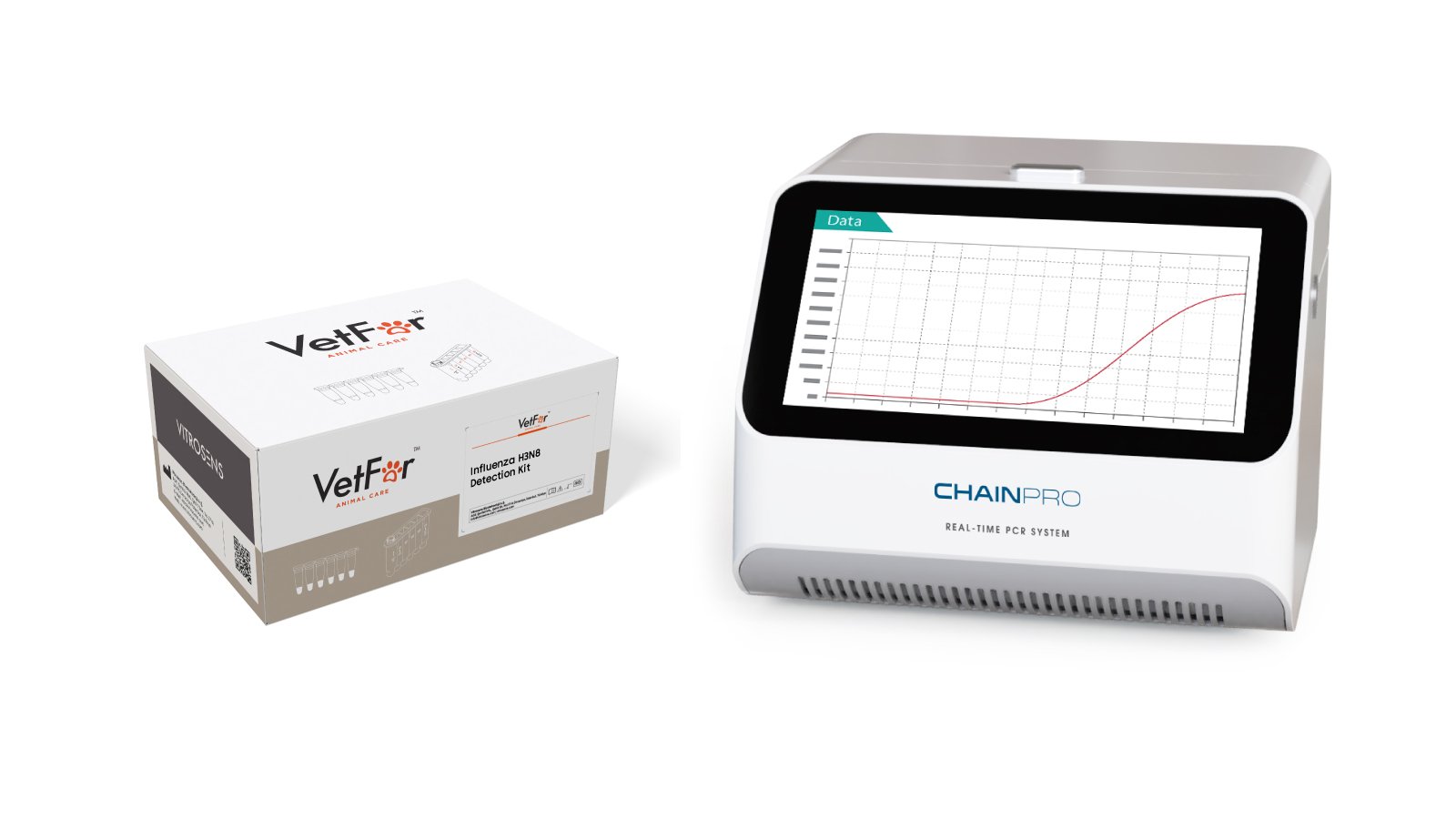
For molecular confirmation during suspected outbreaks, the Vitrosens Biotechnology veterinary portfolio lists the VetFor Influenza H3N8 Detection Kit (Ref. VVE06) for targeted H3N8 detection within PCR-based workflows.