

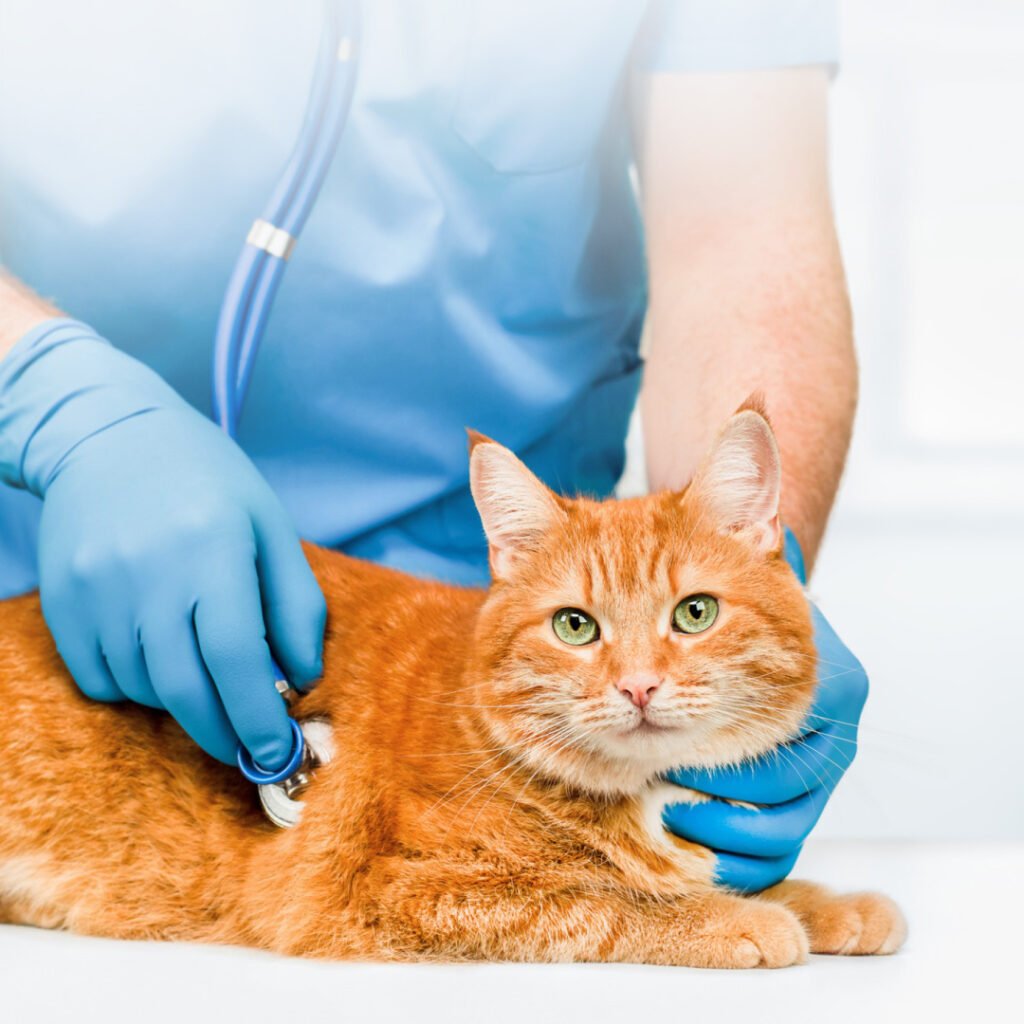
Heart failure is a common condition in dogs and cats and can lead to serious clinical consequences. However, establishing a definitive diagnosis is not always straightforward, as the clinical signs are often nonspecific and may easily mimic other diseases. Symptoms such as dyspnea, lethargy, or coughing can be observed in both cardiac and respiratory disorders, making differentiation challenging. Fortunately, the fNT-proBNP blood test, which measures the cardiac biomarker NT-proBNP, has significantly improved the ability to identify cardiac-related problems within this complex clinical spectrum. By providing an objective assessment of cardiac stress, this test helps veterinarians confirm or rule out heart disease and initiate appropriate treatment in a timely manner.
What Is the fNT-proBNP Test and How Does It Work?
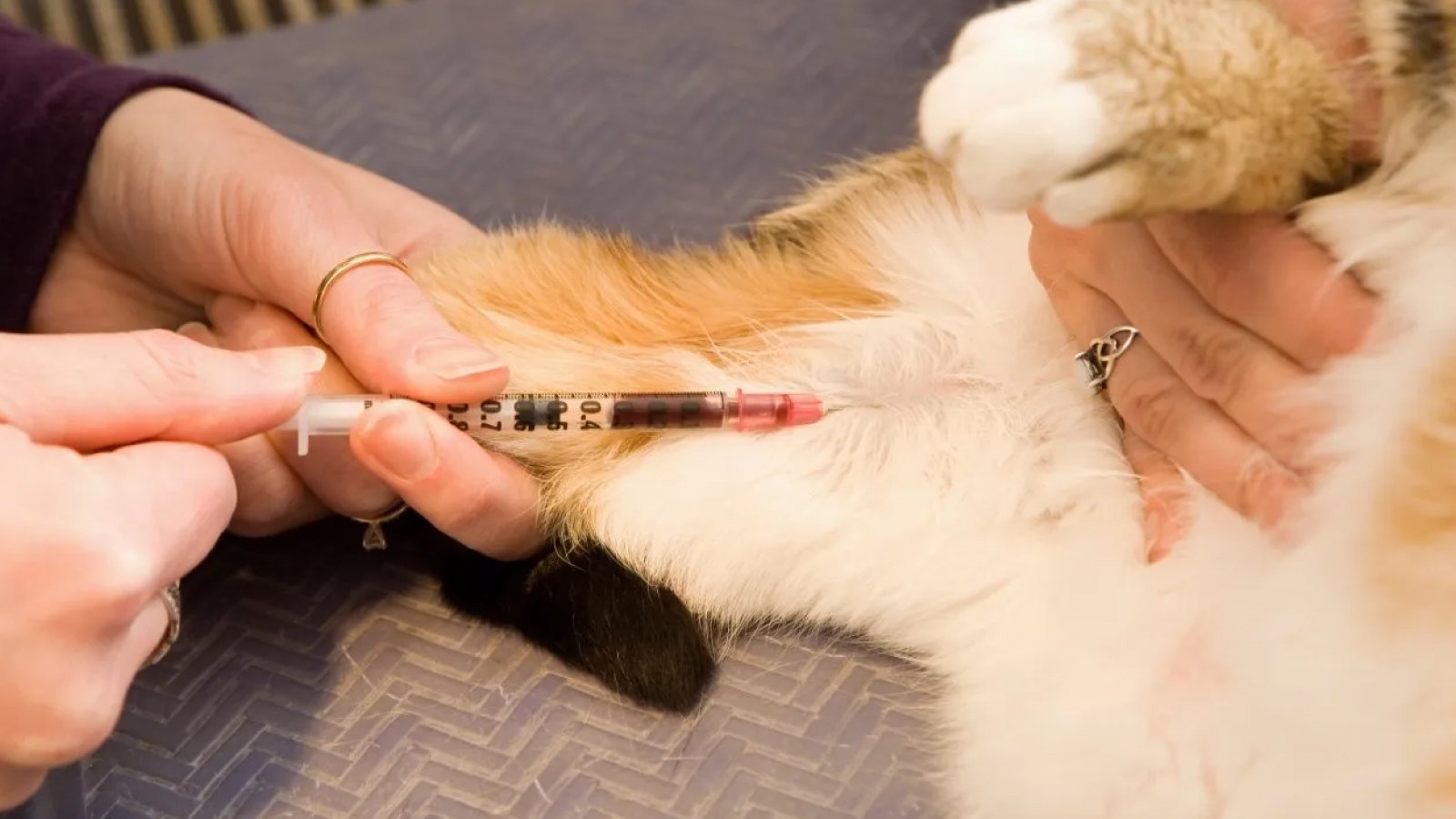
fNT-proBNP, or N-terminal pro–B-type Natriuretic Peptide, is a fragment of a pro-hormone released into the bloodstream when cardiac muscle cells are subjected to increased wall stress or elevated pressure. When myocardial wall tension rises, cardiomyocytes secrete the precursor hormone proBNP, which is subsequently cleaved in circulation into two components: the biologically active BNP and the biologically inactive yet more stable NT-proBNP. Because NT-proBNP remains in the bloodstream for a longer duration and exhibits greater biochemical stability, it is regarded as an ideal biomarker for the diagnosis of cardiac disorders. Elevated circulating NT-proBNP concentrations indicate excessive myocardial stretch and may signal heart failure or significant myocardial disease. By measuring NT-proBNP levels through a simple blood test, veterinarians can objectively assess the degree of cardiac stress. Numerous studies have demonstrated that NT-proBNP concentrations correlate with cardiac size and pump function, making the biomarker highly valuable in identifying conditions such as congestive heart failure and cardiomyopathy.
The Importance of Testing in Cases of Dyspnea, Lethargy, and Coughing

The clinical manifestations of cardiac and respiratory diseases frequently overlap. For instance, when a companion animal experiences difficulty breathing or tires easily, the underlying cause may be heart failure, but it may just as well be a primary pulmonary disorder such as pneumonia or asthma. Similarly, chronic coughing may arise from cardiac enlargement and heart failure, yet it can also be attributed to various respiratory tract conditions. In such cases, physical examination findings or radiographic images do not always allow a clear differentiation between cardiac and non-cardiac causes. This is precisely where the fNT-proBNP test plays a pivotal role. A normal or low NT-proBNP concentration in a blood sample strongly suggests that the clinical signs are unlikely to be cardiac in origin and are more consistent with a non-cardiac cause, such as a primary respiratory disease. Conversely, a markedly elevated NT-proBNP value indicates significant cardiac stress and strongly supports the likelihood of heart failure. Through this objective measurement, clinicians can rapidly determine whether respiratory distress in a dog or cat presenting on an emergency basis is of cardiac origin or due to an alternative condition. This not only prevents unnecessary diagnostic or therapeutic interventions but also ensures that patients with true cardiac disease receive timely and appropriate treatment.
When Should This Test Be Performed?
The fNT-proBNP test should be considered by veterinarians in various clinical contexts, both during the diagnostic phase and in the monitoring of animals with known heart disease.
To begin with, the test is particularly valuable in patients presenting with respiratory distress. If a dog or cat arrives at the clinic with severe dyspnea, rapid breathing, or persistent coughing, the NT-proBNP assay can help determine whether these signs originate from cardiac disease or from a primary pulmonary condition. In situations where advanced imaging techniques such as thoracic radiography or ultrasound cannot be performed immediately, NT-proBNP levels provide essential guidance for clinical decision-making.
Secondly, the test is useful in animals with suspected occult heart disease. Even in the absence of overt clinical symptoms, pets belonging to high-risk breeds—such as Dobermans predisposed to dilated cardiomyopathy or Maine Coon cats with an elevated risk of hypertrophic cardiomyopathy—should be evaluated when a murmur is detected during routine examination. This enables the early detection of cardiac disease before the onset of clinical signs and supports timely planning of further diagnostics, such as echocardiography or ECG. Veterinarians also frequently use the test in pre-anesthetic assessments to rule out subclinical cardiac conditions.
Finally, NT-proBNP testing is valuable for the follow-up of patients with established heart failure. In dogs and cats already diagnosed and receiving treatment, periodic NT-proBNP measurements allow objective monitoring of disease progression. A rising NT-proBNP level despite appropriate therapy may indicate worsening cardiac function or the need for therapeutic adjustments. Thus, the test provides meaningful support in managing chronic cardiac patients. Regular monitoring helps clinicians evaluate treatment efficacy and determine whether the disease remains stable over time.
Rapid and Reliable Results with VetFor FIA Technology
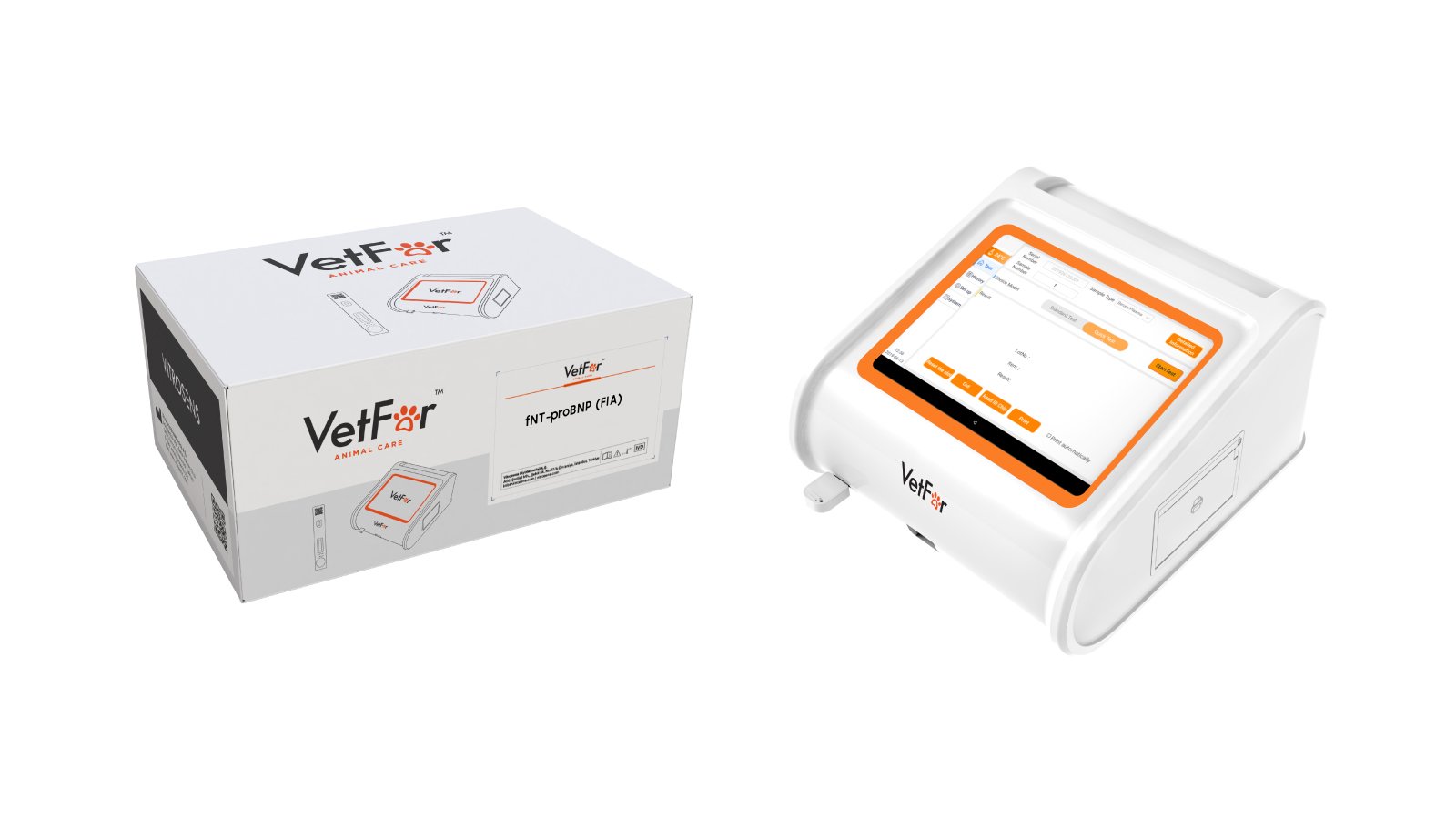
Today, the rapid implementation of biomarker assays such as NT-proBNP in veterinary clinics has become possible through the use of FIA technology. FIA (fluorescent immunoassay) is a highly sensitive analytical method that detects target molecules using fluorescence-labeled antibodies. The NT-proBNP Rapid Test kit developed by Vitrosens Biotechnology under the VetFor brand operates on this FIA platform, allowing clinicians to obtain reliable results from a small blood sample within minutes. For instance, this in-clinic test can provide a quantitative NT-proBNP concentration in approximately 10–15 minutes. The ability to achieve results so quickly offers a significant advantage, particularly for cardiac patients requiring urgent assessment. With immediate access to NT-proBNP values, veterinarians can promptly determine whether the heart is under excessive stress while the patient is still in the clinic. This not only improves the animal’s prognosis but also eliminates unnecessary waiting time and expedites clinical decision-making.