

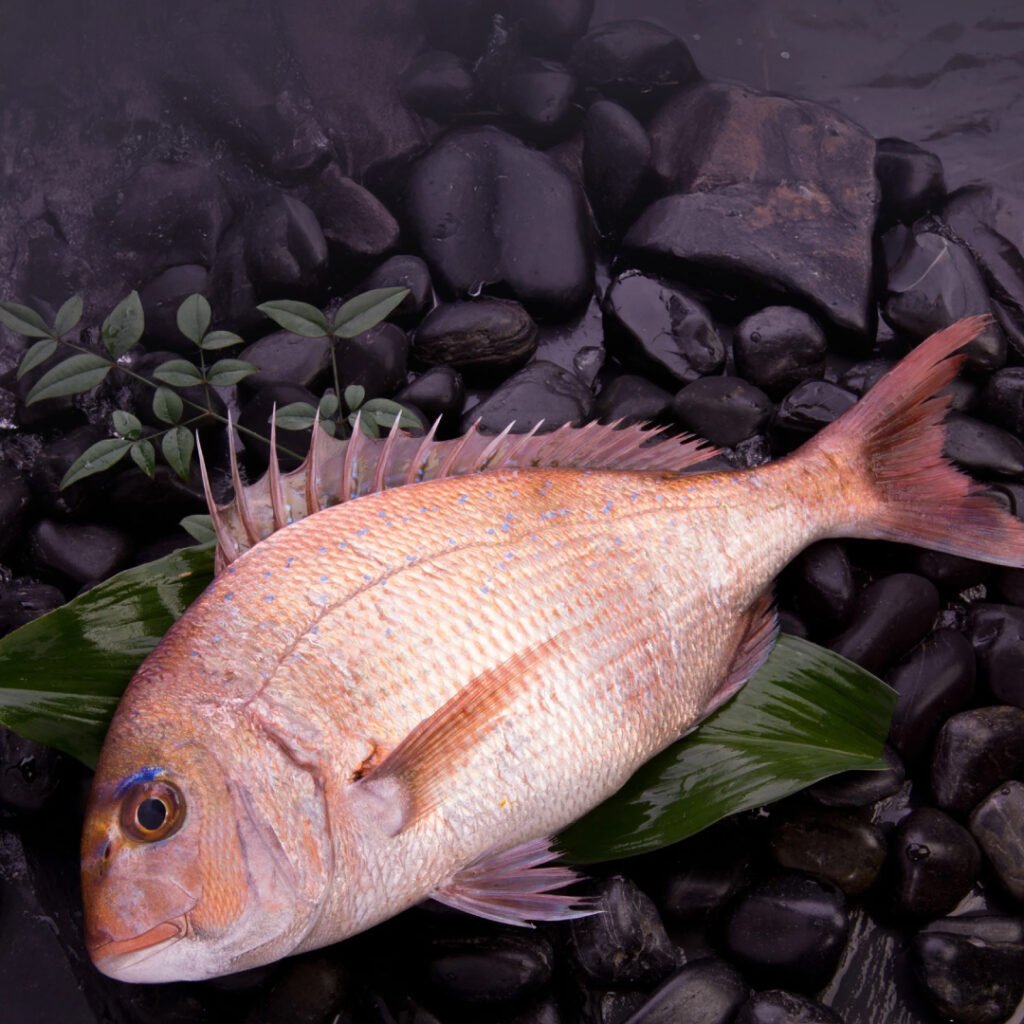
What Is Red Seabream Iridovirus?
Red seabream iridoviral disease (RSIVD) is caused by red seabream iridovirus (RSIV), a double-stranded DNA virus in the genus Megalocytivirus within the family Iridoviridae. RSIV is a major cause of mortality in farmed red seabream (Pagrus major) and has been reported in many other marine fish species.
Why RSIV Matters for Fish Farms
RSIV is most often associated with warm-season outbreaks and can spread quickly once it enters a facility, especially when fish are stressed and stocked densely. The WOAH aquatic manual highlights RSIVD as a significant problem for aquaculture because it affects red seabream and more than 30 other susceptible species, making it a broad industry concern rather than a single-species issue.
Transmission and Outbreak Dynamics
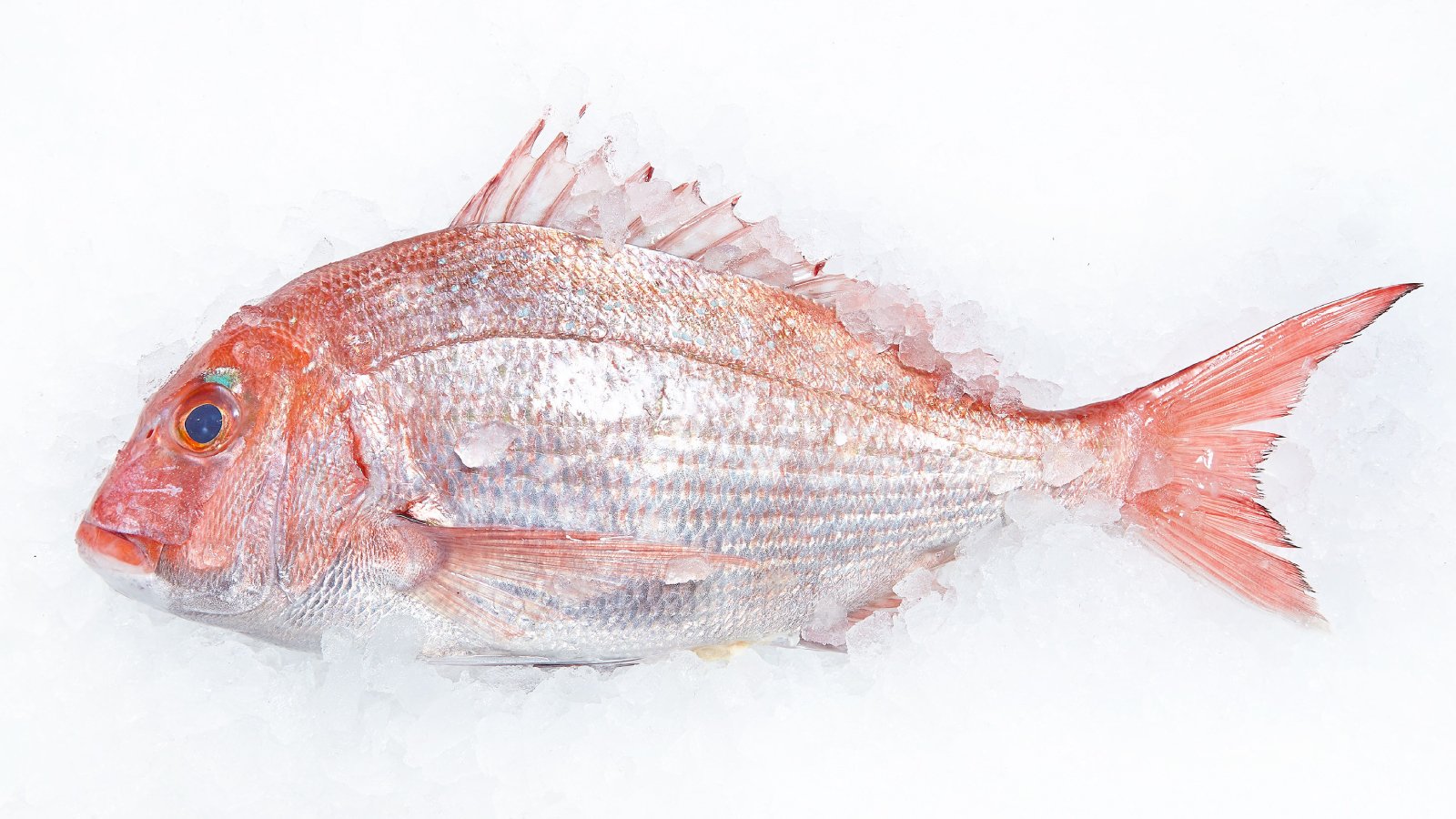
Infected fish shed virus into the environment, and transmission can occur through direct contact, cohabitation, and contaminated water or equipment. Experimental and field-based studies support that virus released from infected fish can lead to horizontal transmission to surrounding fish species under realistic conditions, which explains why outbreaks may escalate rapidly within shared water systems.
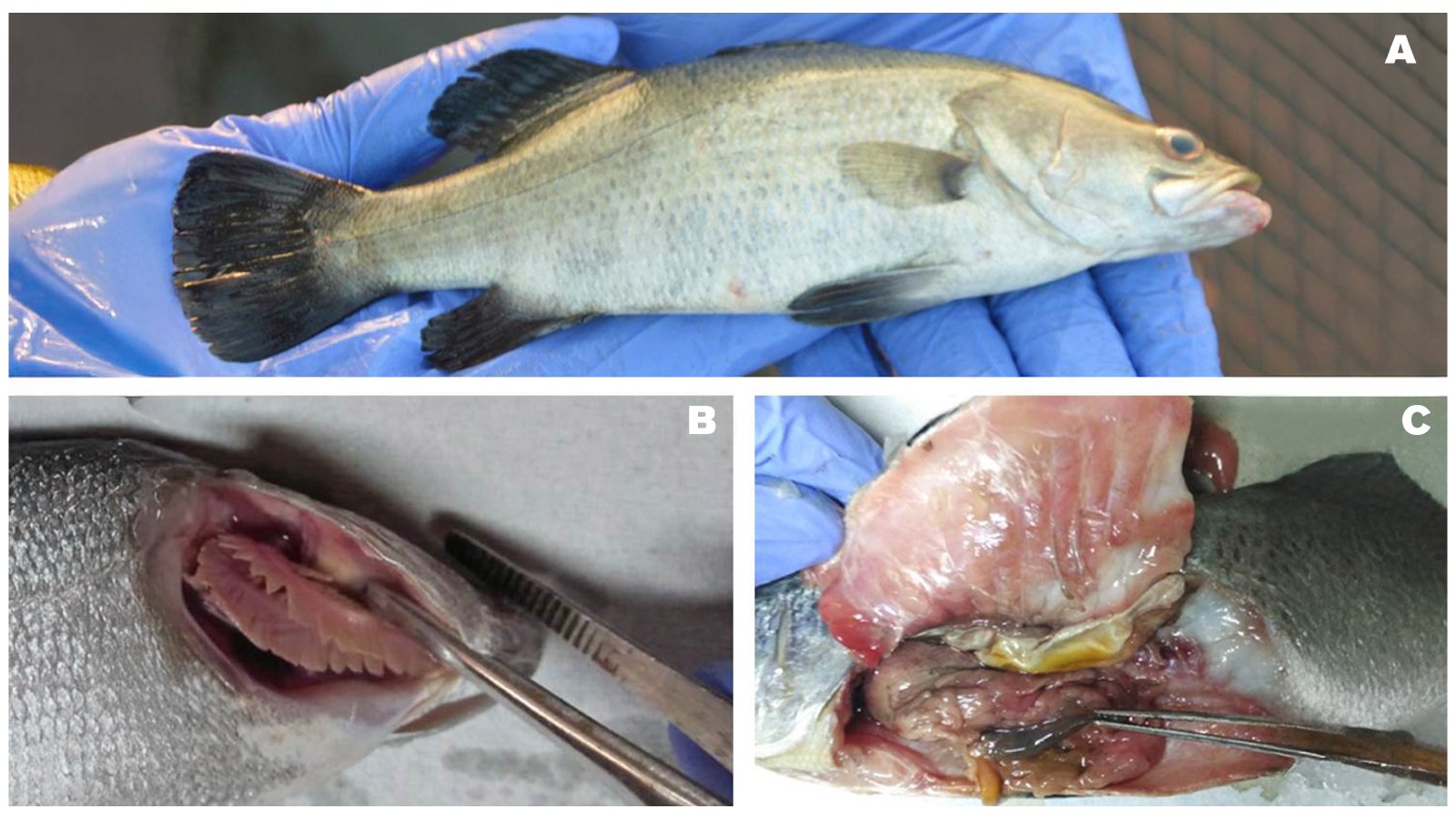
Source: Red sea bream iridovirus disease (RSIVD) outbreak in Asian seabass (Lates calcarifer) cultured in open estuarine cages along the west coast of India: First report
Clinical Signs and Typical Findings
Early signs are often non-specific, including reduced appetite, lethargy, and abnormal behavior, followed by rising daily mortality. On gross examination, the spleen and kidney are frequently enlarged, and systemic involvement may be evident. Microscopically, a hallmark feature described in official guidance is the presence of enlarged cells in hematopoietic tissues (often referred to as “megalocytes”), which aligns with the virus’ classification under Megalocytivirus.
Diagnostic Approaches
Because RSIV can resemble other systemic infections, laboratory confirmation is essential. PCR-based methods are widely used to detect viral DNA and support early outbreak decisions, while histopathology of spleen and kidney can provide strong supportive evidence when typical cellular changes are present. Environmental monitoring can also play a role, and one study demonstrated RSIV signals in environmental DNA days before an outbreak was recognized clinically, emphasizing the value of early surveillance.
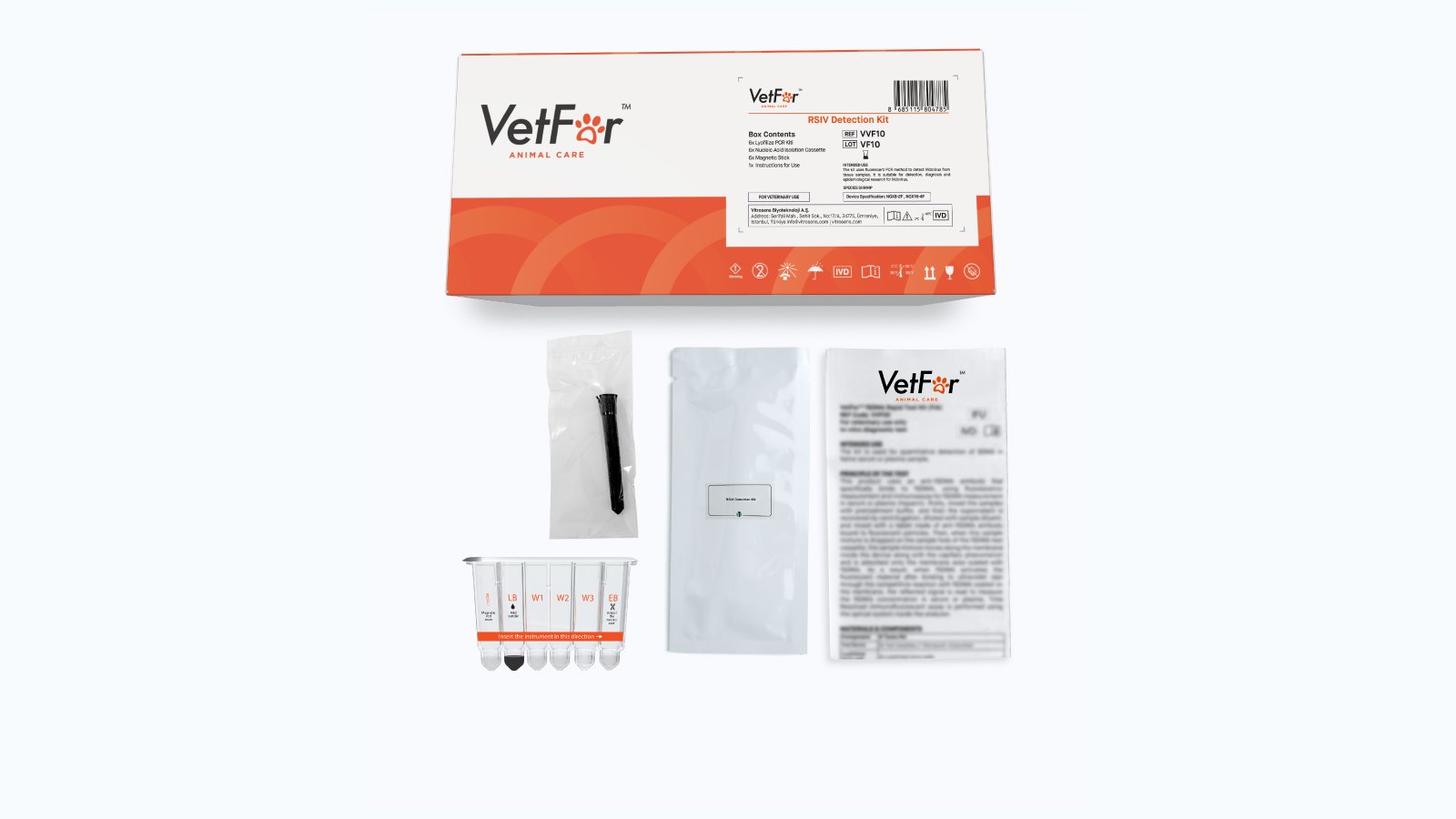
For routine molecular confirmation workflows, Vitrosens Biyoteknoloji’s VetFor Animal Health catalog lists a ‘RSIV Detection Kit’ (Ref. VVF11), and also includes a veterinary real-time PCR instrument platform that can be used within farm-to-lab testing pipelines.
Prevention and Control
There is no practical antiviral treatment that reliably stops RSIV outbreaks in farm conditions, so prevention is the priority. Biosecurity, quarantine of new fish, careful movement control between units, and rapid removal of moribund fish help reduce viral load and limit spread. Since outbreaks are often temperature-linked, reducing stressors during warm periods and maintaining strong surveillance programs are critical parts of risk management.
References
- World Organisation for Animal Health (OIE). (2019). Red sea bream iridoviral disease (Chapter 2.3.8). In Manual of Diagnostic Tests for Aquatic Animals (14/11/2019). Paris, France: OIE.
- Australian Government Department of Agriculture. (2019). Red sea bream iridoviral disease (RSIVD): Also known as infection with red sea bream iridovirus (RSIV). (From Aquatic animal diseases significant to Australia: Identification field guide, 5th ed.). Commonwealth of Australia.
- Girisha, S. K., Puneeth, T. G., Nithin, M. S., Naveen Kumar, B. T., Ajay, S. K., Vinay, T. N., Suresh, T., Venugopal, M. N., & Ramesh, K. S. (2020). Red sea bream iridovirus disease (RSIVD) outbreak in Asian seabass (Lates calcarifer) cultured in open estuarine cages along the west coast of India: First report. Aquaculture, 520, 734712. https://doi.org/10.1016/j.aquaculture.2019.734712
- Kawato, Y., Mekata, T., Inada, M., & Ito, T. (2021). Application of environmental DNA for monitoring red sea bream iridovirus at a fish farm. Microbiology Spectrum, 9(2), e0079621. https://doi.org/10.1128/Spectrum.00796-21
- Kim, K.-H., Kang, G., Woo, W.-S., Sohn, M.-Y., Son, H.-J., Kwon, M.-G., Kim, J.-O., & Park, C.-I. (2023). Impact of Red Sea Bream Iridovirus infection on rock bream (Oplegnathus fasciatus) and other fish species: A study of horizontal transmission. Animals, 13(7), 1210. https://doi.org/10.3390/ani13071210
- Vitrosens Biyoteknoloji A.S. (2024). VetFor Animal Health Product Catalog 2024 (V1.VV04-25092024). Vitrosens Biyoteknoloji A.S.