

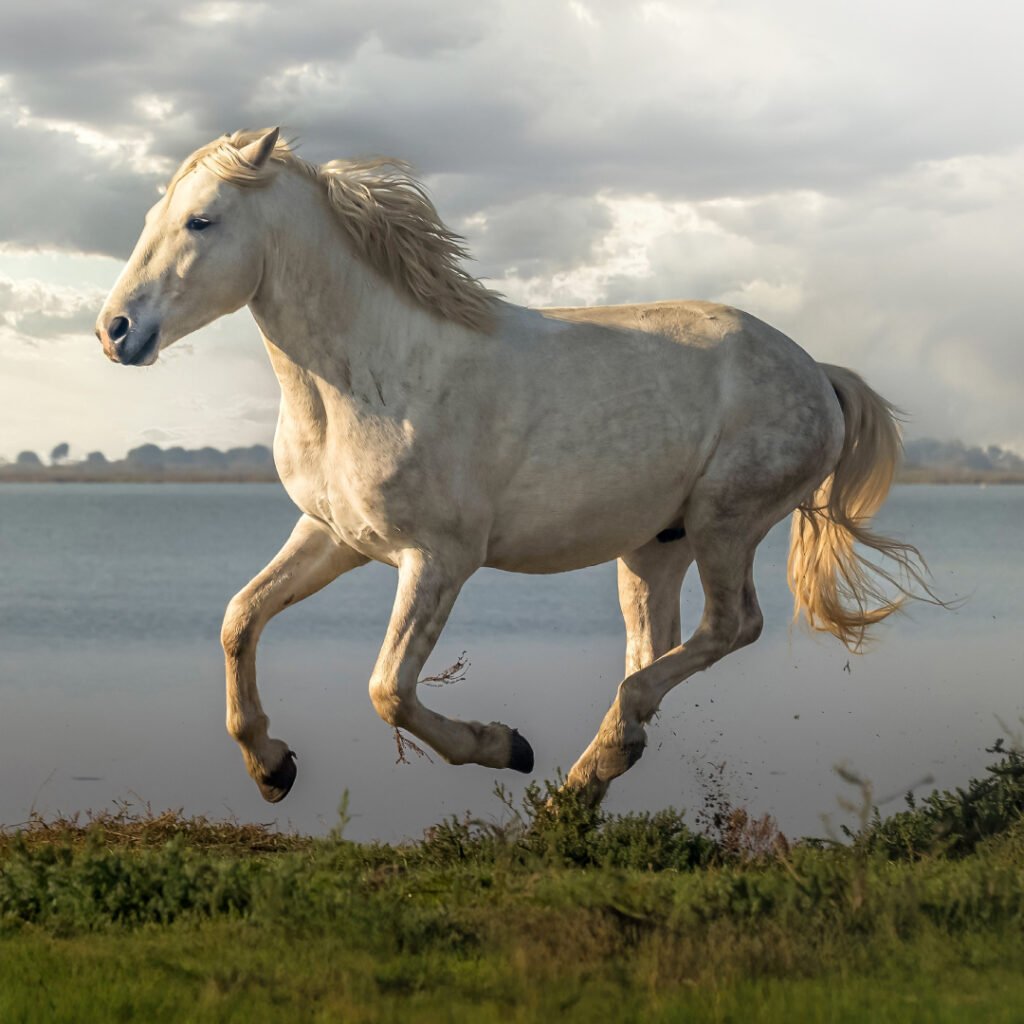
African horse sickness (AHS) is a severe, vector borne viral disease of equids caused by African horse sickness virus (AHSV), an orbivirus with nine recognized serotypes. It is infectious but not directly contagious between horses; transmission occurs mainly through Culicoides biting midges. Horses are the most susceptible species, and mortality in naive horse populations can be very high.
Why AHSV Is Important in Horses
AHS is one of the most serious equine viral diseases because it can progress rapidly and cause major losses in affected populations. WOAH lists it as a notifiable disease, and outbreaks trigger strict animal health measures because of the disease’s high fatality rate and its potential to spread where competent vectors are present.
How the Disease Spreads
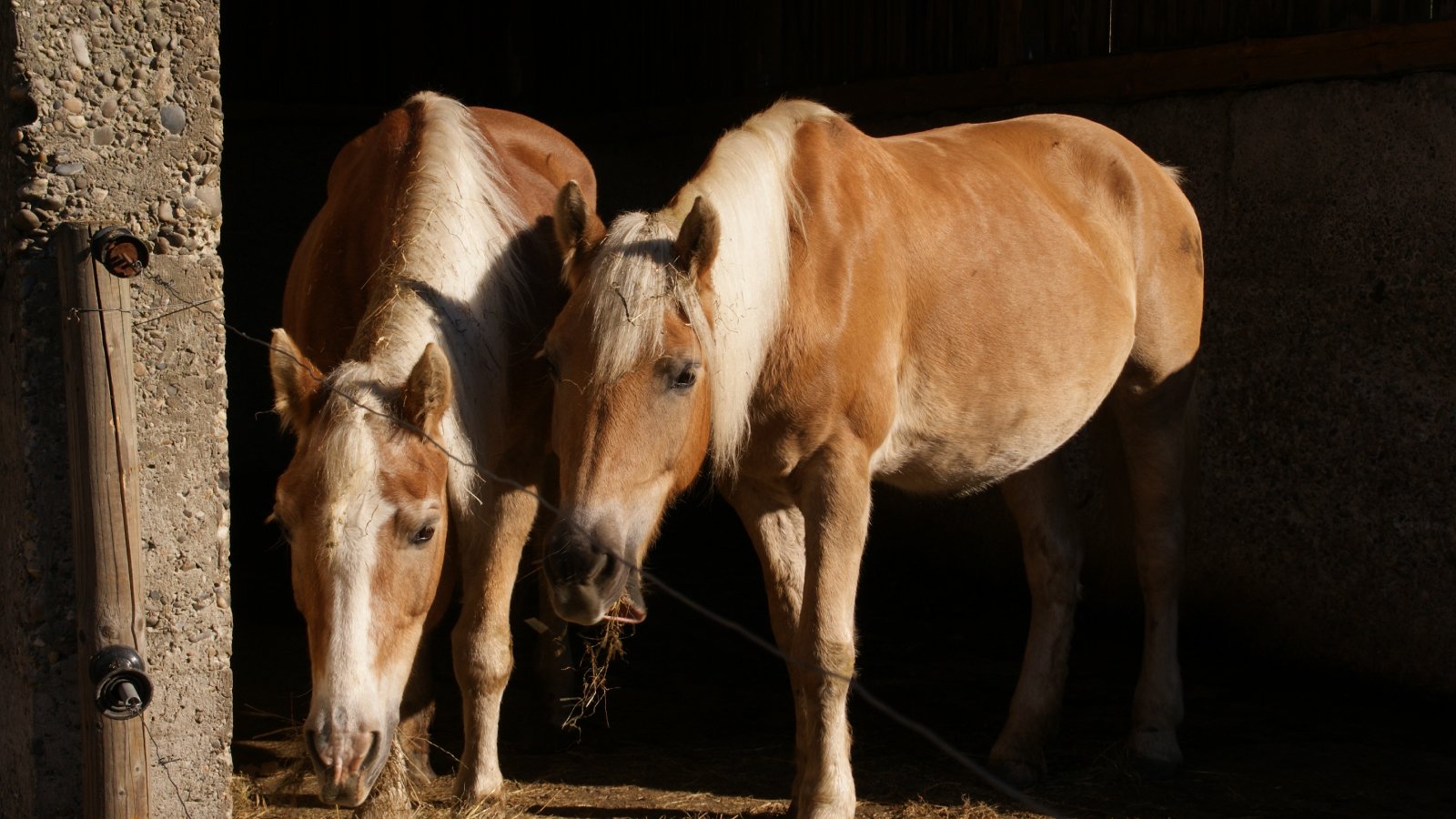
The virus is transmitted primarily by biting midges, especially Culicoides species. Because transmission depends on vectors rather than direct horse to horse contact, risk is closely linked to vector activity, climate, and local ecology. This is why prevention focuses heavily on insect control, movement restriction, and rapid recognition of suspect cases.
Clinical Forms and Signs
African horse sickness is classically described in four forms: pulmonary, cardiac, mixed, and horse sickness fever. In horses, clinical findings may include high fever, severe respiratory distress, coughing, nasal discharge, edema of the head or supraorbital region, circulatory compromise, and sudden death. The mixed form is often the most common in practice.
When Should AHSV Be Suspected?
AHSV should be considered when horses develop acute fever together with respiratory signs, facial or periocular edema, unexplained circulatory compromise, or sudden death, particularly in regions with vector exposure or during outbreak situations. Suspicion should be higher when several equids in the same area are affected over a short period. Because the disease can deteriorate quickly, cases should be investigated as early as possible rather than waiting for the full clinical picture to develop.
Why Early Detection Is Critical
Early detection matters for two reasons. First, the disease can be fatal before extensive herd level investigation is completed. Second, a rapid laboratory diagnosis supports immediate outbreak response measures such as quarantine, vector control, movement restriction, and official notification. In a suspected case, laboratory confirmation is essential because several equine diseases can overlap clinically with AHS.
Diagnostic Support
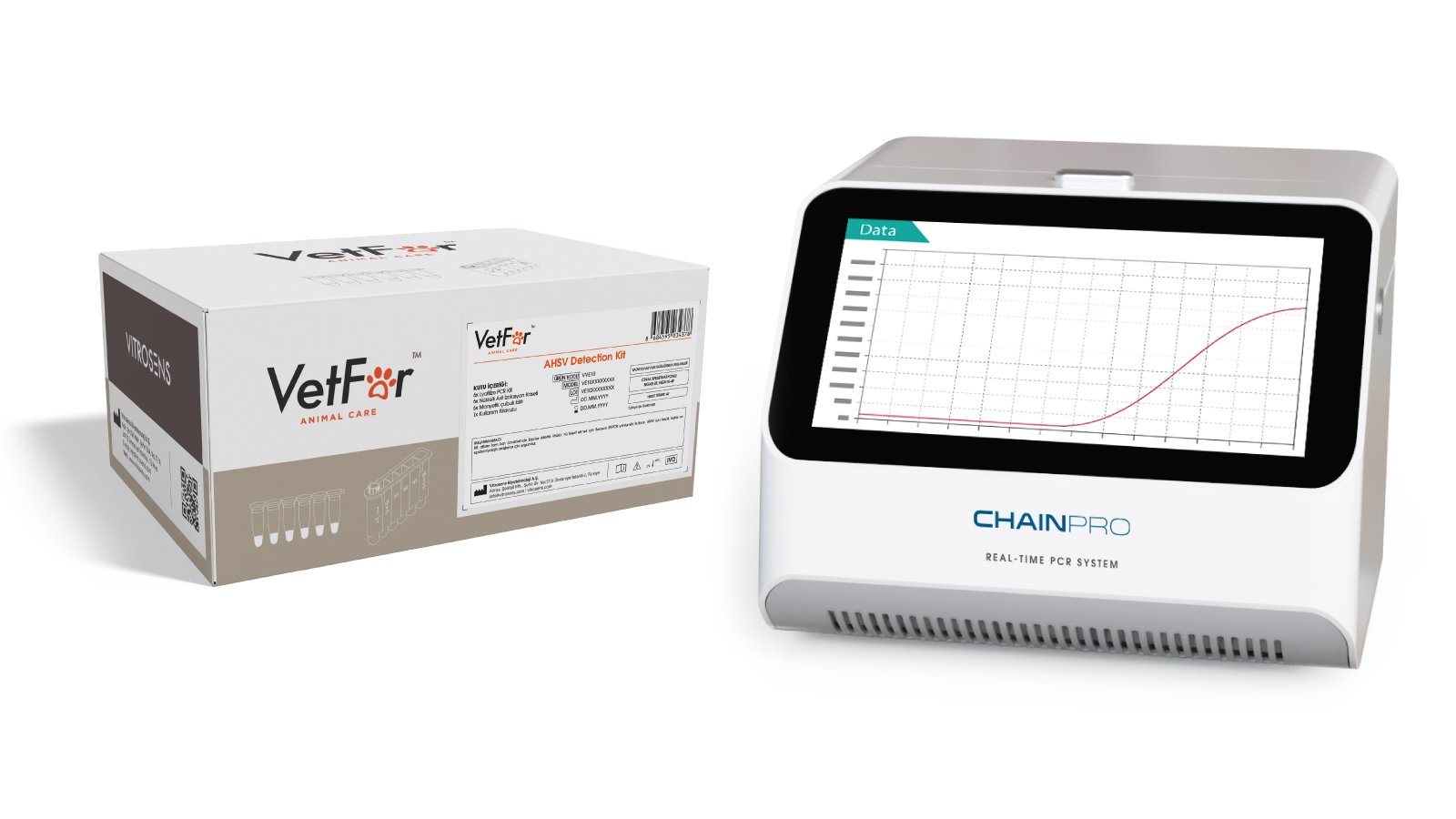
Laboratory confirmation of AHSV may involve molecular detection of viral RNA, virus isolation, antigen detection, or serologic methods depending on the clinical setting and stage of infection. VetFor’s published equine PCR catalog also lists an AHSV Detection Kit within its equine PCR portfolio, positioning it as a diagnostic option for laboratory detection workflows.
Prevention and Control
There is no specific antiviral treatment for African horse sickness, so control depends on prevention and outbreak management. Core measures include reducing vector exposure, using insect control strategies, restricting animal movement during outbreaks, and applying vaccination policies where permitted and appropriate under local regulations.
References
WOAH. African horse sickness.
WOAH. African horse sickness fact sheet.
Merck Veterinary Manual. African Horse Sickness.
WOAH. Terrestrial Manual: African Horse Sickness.
Center for Food Security and Public Health. African Horse Sickness fact sheet.