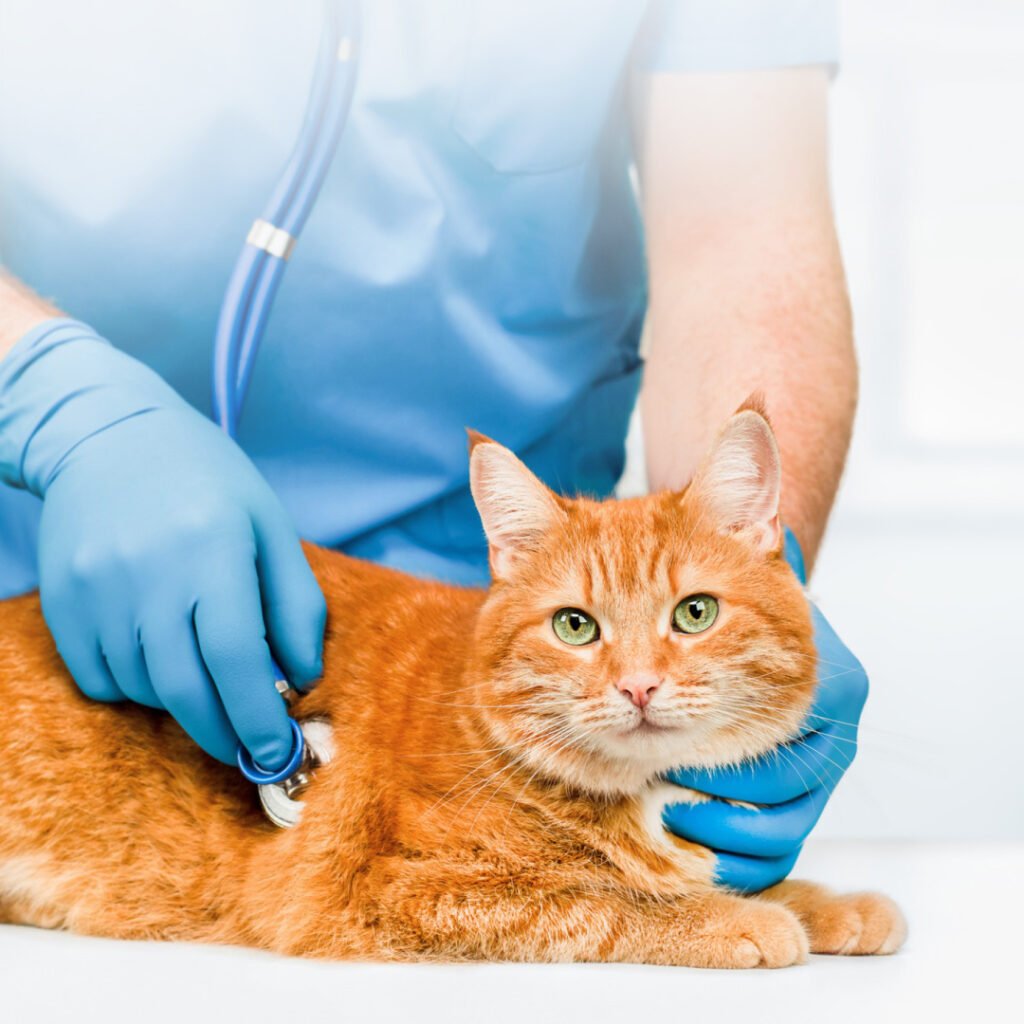

Babesiosis in Cats and Dogs

Babesiosis in Cats and Dogs

Babesiosis is a tick-borne disease caused by protozoan parasites of the genus Babesia. The parasites invade red blood cells and can trigger hemolytic anemia and systemic illness. Dogs are diagnosed more often, but cats can also be affected, especially in tick-endemic areas. Because early signs are non-specific, risk awareness and…

Leptospirosis in Cats

Leptospirosis in Cats

What It Is And How Cats Get Infected  Leptospirosis is a zoonotic infection caused by pathogenic Leptospira spp. Cats are exposed mainly through contact with urine contaminated water, soil, or surfaces, and through hunting or eating infected prey (especially rodents). Many infected cats remain subclinical, but they can still develop…
Canine cTnI Rapid Test Kit

Canine cTnI Rapid Test Kit

Understanding cTnI in Canine Cardiology Cardiac troponin I (cTnI) is a protein found inside dog heart muscle cells that helps regulate contraction. Because it is specific to the heart, any injury to the heart muscle from disease, inflammation or trauma causes cTnI to leak into the bloodstream. In simple terms,…
Canine NT-proBNP Diagnostic Kit

Canine NT-proBNP Diagnostic Kit

Understanding BNP and NT-proBNP in Canine Cardiology   The B-type natriuretic peptide (BNP), is a hormone that heart muscle cells release when they are stretched or stressed. The NT-proBNP is the N-terminal portion of this peptide that has an increased half-life in blood so as a result of this, NT-proBNP…
Pancreatic Lipase Tests (cPL and fPL) for Diagnosing Pancreatitis in Dogs and Cats

Pancreatic Lipase Tests (cPL and fPL) for Diagnosing Pancreatitis in Dogs and Cats

Pancreatitis (inflammation of the pancreas) is a common and serious condition in both dogs and cats. Diagnosing pancreatitis is challenging because its signs are often vague and can mimic other illnesses. Fortunately, modern blood tests that measure pancreatic lipase levels specifically canine pancreatic lipase (cPL) in dogs and feline pancreatic…