

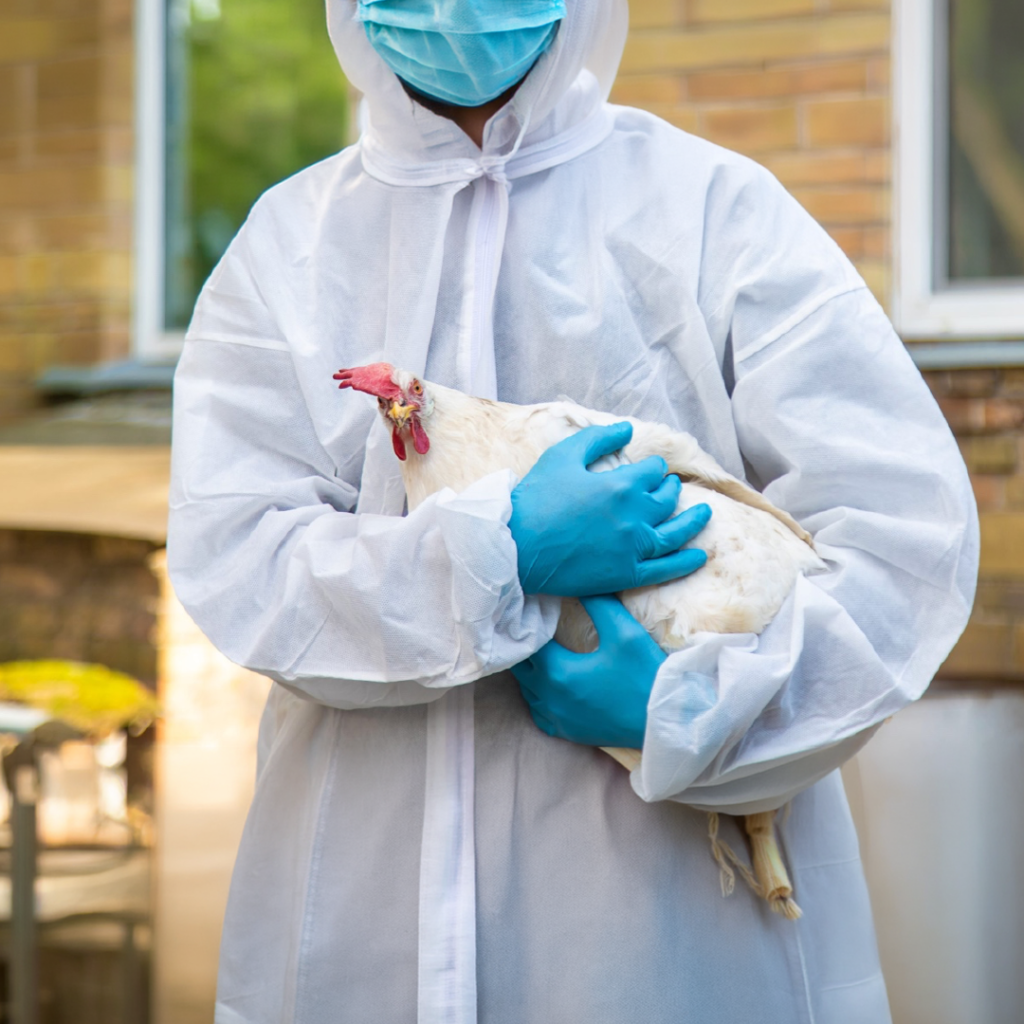
Avian influenza remains an important concern for poultry health, global food production, and animal disease surveillance. The continued circulation of avian influenza viruses among domestic and wild birds highlights the importance of early detection, veterinary investigation, and effective biosecurity measures.
In 2026, international animal health organizations continue to emphasize surveillance and coordinated disease control as essential components of avian influenza management.
What Is Avian Influenza?
Avian influenza, commonly known as bird flu, is an infectious disease caused by influenza A viruses. It affects domestic poultry, including chickens, turkeys, and ducks, as well as wild bird populations.
Avian influenza viruses are classified according to their pathogenicity in poultry:
• Low Pathogenicity Avian Influenza (LPAI): May cause mild respiratory signs, reduced production, or no obvious clinical symptoms.
• High Pathogenicity Avian Influenza (HPAI): Can cause severe disease and high mortality in susceptible poultry populations.
In March 2026, World Organisation for Animal Health (WOAH) published guidance on surveillance of highly pathogenic avian influenza in smallholder poultry systems, highlighting the importance of practical monitoring strategies, community participation, and timely disease reporting.
What Are the Possible Signs of Avian Influenza in Chickens?
Clinical signs vary depending on the viral strain, pathogenicity, and health status of affected birds. Possible signs include:
- Respiratory difficulties, coughing, or sneezing
- Reduced feed and water consumption
- Decreased egg production
- Lethargy and reduced activity
- Swelling or discoloration of the comb and wattles
- Diarrhea in some affected birds
- Sudden or increased flock mortality
Important: Clinical signs alone cannot confirm avian influenza. Other poultry diseases may cause similar symptoms, making appropriate veterinary investigation and laboratory testing essential.
How Can Antigen Testing Support Avian Influenza Investigation?
Laboratory diagnostics play an important role in investigating suspected avian influenza infections. Diagnostic approaches include molecular testing, virus isolation, and antigen detection assays.
Lateral flow antigen tests are designed to detect specific viral proteins in suitable clinical samples and may provide preliminary information during veterinary investigations.

However, test performance can depend on viral concentration, sample quality, and the stage of infection. Molecular methods, including RT-qPCR, are generally more sensitive and play an important role in laboratory confirmation.
Biosecurity and Early Detection Work Together
Diagnostic testing alone cannot prevent avian influenza transmission. Effective poultry health management requires surveillance, appropriate biosecurity measures, and timely veterinary response.
Important practices include monitoring flock health, limiting contact with wild birds, controlling access to poultry facilities, maintaining cleaning and disinfection procedures, and investigating unusual mortality.
Combining these measures with appropriate laboratory testing supports a more comprehensive approach to avian influenza management.
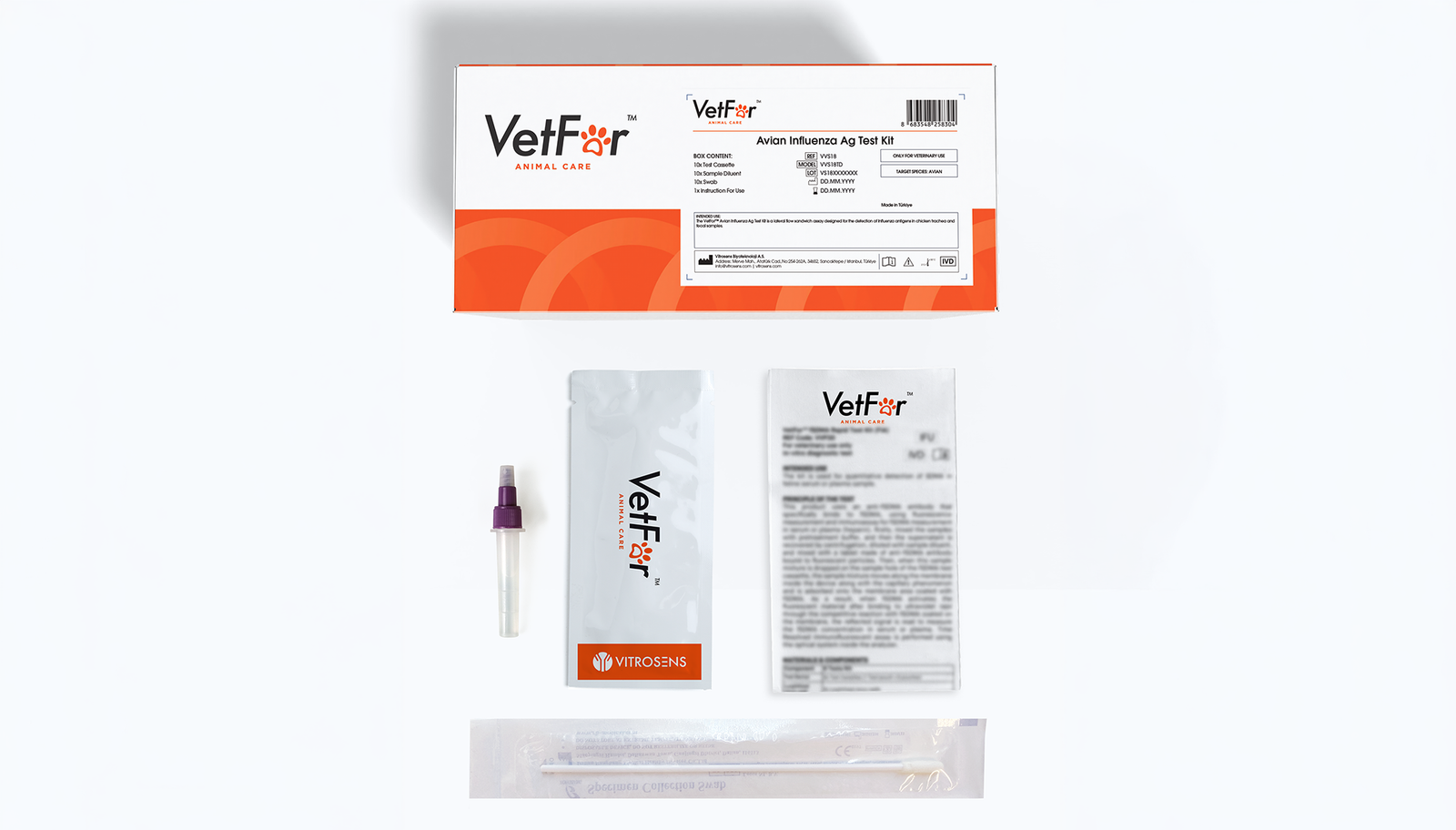
The VetFor™ Avian Influenza Ag Test Kit is a lateral flow sandwich assay designed for the detection of influenza antigens in chicken trachea and fecal samples.
The kit is part of the VetFor veterinary rapid test portfolio and provides an antigen detection approach for veterinary investigations involving chickens.
Test results should be interpreted alongside clinical observations, flock history, epidemiological information, and additional laboratory findings where appropriate.
Conclusion
Avian influenza continues to demonstrate the importance of surveillance, laboratory investigation, and coordinated veterinary action in poultry health management.
Early recognition, appropriate diagnostic testing, and effective biosecurity remain important components of avian influenza prevention and control strategies.
For more information about the VetFor™ Avian Influenza Ag Test Kit contact us at contact@vitrosens.com to discover our full veterinary portfolio.
References
- World Organisation for Animal Health (WOAH). Avian Influenza. Disease overview, transmission, surveillance, and animal health implications.
- World Organisation for Animal Health (WOAH). Surveillance of High Pathogenicity Avian Influenza for Smallholder Poultry Systems in Resource-Limited Settings.. Published March 23, 2026.
- Food and Agriculture Organization of the United Nations (FAO). Avian Influenza..
- World Organisation for Animal Health (WOAH). Manual of Diagnostic Tests and Vaccines for Terrestrial Animals.. Avian influenza diagnostic methods and laboratory testing standards.