

Insulin is a major metabolic hormone produced by the beta cells of the pancreas. One of its most important roles is helping regulate blood glucose by coordinating how glucose is used and stored throughout the body.
Because insulin secretion is closely linked to blood glucose concentration, measuring insulin can provide useful information during the investigation of certain metabolic and endocrine conditions in dogs and cats.
However, insulin values should never be viewed in isolation. The relationship between insulin and blood glucose is often more informative than either measurement alone.
When May Insulin Measurement Be Useful?
Veterinary professionals may consider insulin measurement when investigating conditions such as unexplained hypoglycemia, suspected inappropriate insulin secretion, or altered insulin sensitivity.
In dogs, one important example is insulinoma, a functional pancreatic beta-cell tumor capable of secreting insulin despite low blood glucose concentrations. Dogs with insulinoma frequently present with hypoglycemia, while circulating insulin may remain within the reference interval or be elevated when it would normally be expected to decrease.

Possible signs associated with hypoglycemia can include:
• Lethargy and weakness
• Ataxia or poor coordination
• Muscle twitching or tremors
• Collapse
• Behavioral changes
• Seizures in more severe cases
These signs are not specific to insulinoma and may occur with several other conditions.
In cats, insulin measurement may also contribute to the broader assessment of insulin sensitivity and metabolic disorders. Research has demonstrated reduced insulin sensitivity in diabetic cats compared with clinically healthy cats, illustrating the close relationship between insulin regulation and feline glucose metabolism.
Why Should Insulin and Glucose Be Evaluated Together?
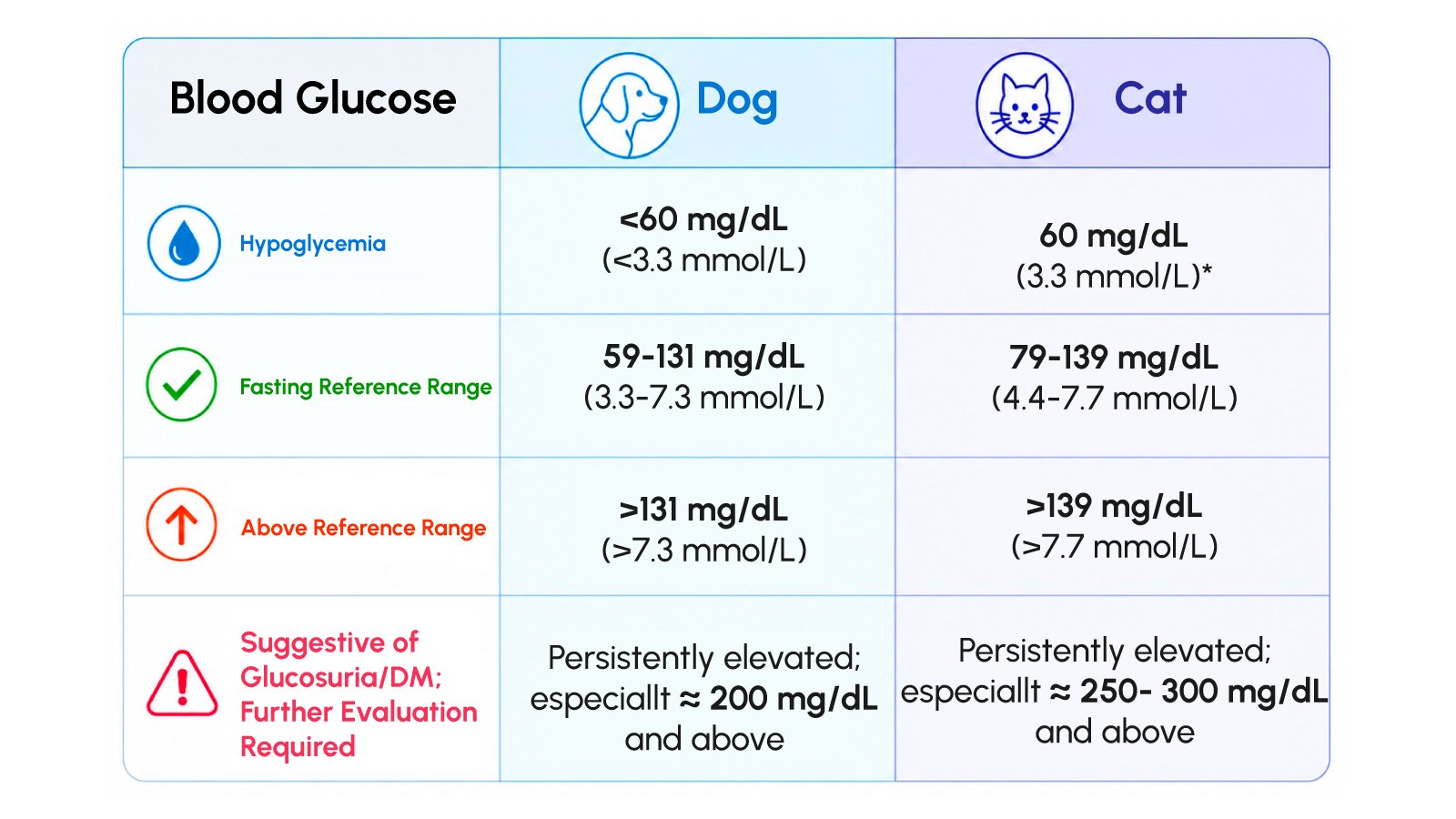
Insulin secretion normally changes in response to circulating glucose. When blood glucose falls, insulin secretion would generally be expected to decrease.
For this reason, finding a normal or increased insulin concentration during documented hypoglycemia may be clinically meaningful and can support further investigation of inappropriate insulin secretion.
In selected cases, veterinarians may also consider insulin-to-glucose calculations such as the amended insulin-to-glucose ratio (AIGR). However, published veterinary studies have shown that these ratios have limitations and may produce false-positive results. They should therefore not be used as standalone evidence of insulinoma.
Important: Insulin results should be interpreted together with simultaneously measured blood glucose, clinical findings, medical history, and other appropriate laboratory or imaging results.
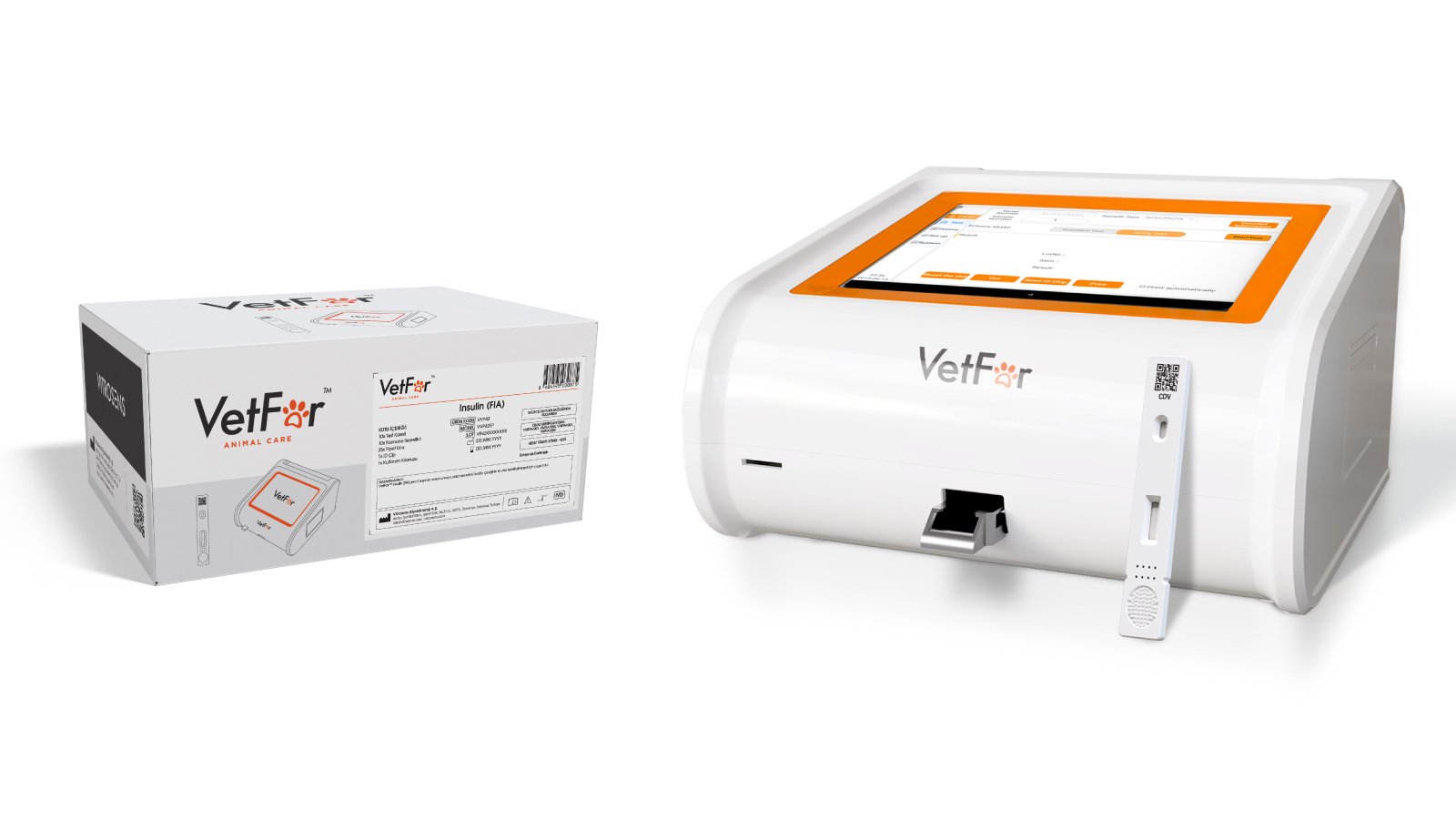
VetFor™ Insulin (FIA)
The VetFor™ Insulin (FIA) is intended for the in vitro quantitative detection of insulin in canine and feline serum or plasma samples.
• The test is based on a double-antibody sandwich fluorescence immunochromatographic assay. Following the test procedure, fluorescence signals are measured by the immunofluorescence analyzer and the insulin concentration is displayed as a quantitative result.
• Results are available in approximately 15 minutes.
Insulin measurements may provide an additional laboratory parameter when investigating unexplained hypoglycemia, suspected inappropriate insulin secretion, or insulin resistance. Results should always be evaluated by a veterinarian together with the animal’s clinical presentation and glucose profile.
Protecting Poultry Health Requires the Complete Picture
Understanding insulin-related disorders requires more than a single laboratory value. Clinical signs, fasting or concurrent blood glucose measurements, metabolic history, relevant laboratory parameters, and diagnostic imaging may all contribute to the overall assessment.
This is particularly important when insulinoma is suspected, as insulin concentrations that appear to fall within a conventional reference range may still be inappropriate when significant hypoglycemia is present.
For more information about the VetFor™ Insulin (FIA) and our veterinary diagnostic solutions, contact us at contact@vitrosens.com or explore the VetFor™ Product Catalog to discover our full veterinary portfolio.