Understanding Salmonella typhimurium in Chickens Salmonella enterica serovar typhimurium is a Gram negative bacterium that colonizes the intestines of chickens and other poultry. It is one of the most common Salmonella types detected in poultry production and an important cause of foodborne illness in humans. Infected birds shed large numbers…
What is Infectious Bronchitis and Which Birds Does It Affect? Infectious bronchitis (IB) is a highly contagious respiratory disease of chickens caused by the avian coronavirus IBV. It occurs worldwide and affects both meat-type and egg-laying chickens of all ages. Infected flocks suffer rapid spread of disease. While IBV primarily infects…
Newcastle Disease (ND) is one of the most feared viral diseases in the global poultry industry. Caused by the Newcastle Disease Virus (NDV), a member of the Paramyxoviridae family, this highly contagious illness affects both domestic and wild birds like chickens, turkeys, pigeons, and other avian species. NDV can strike…
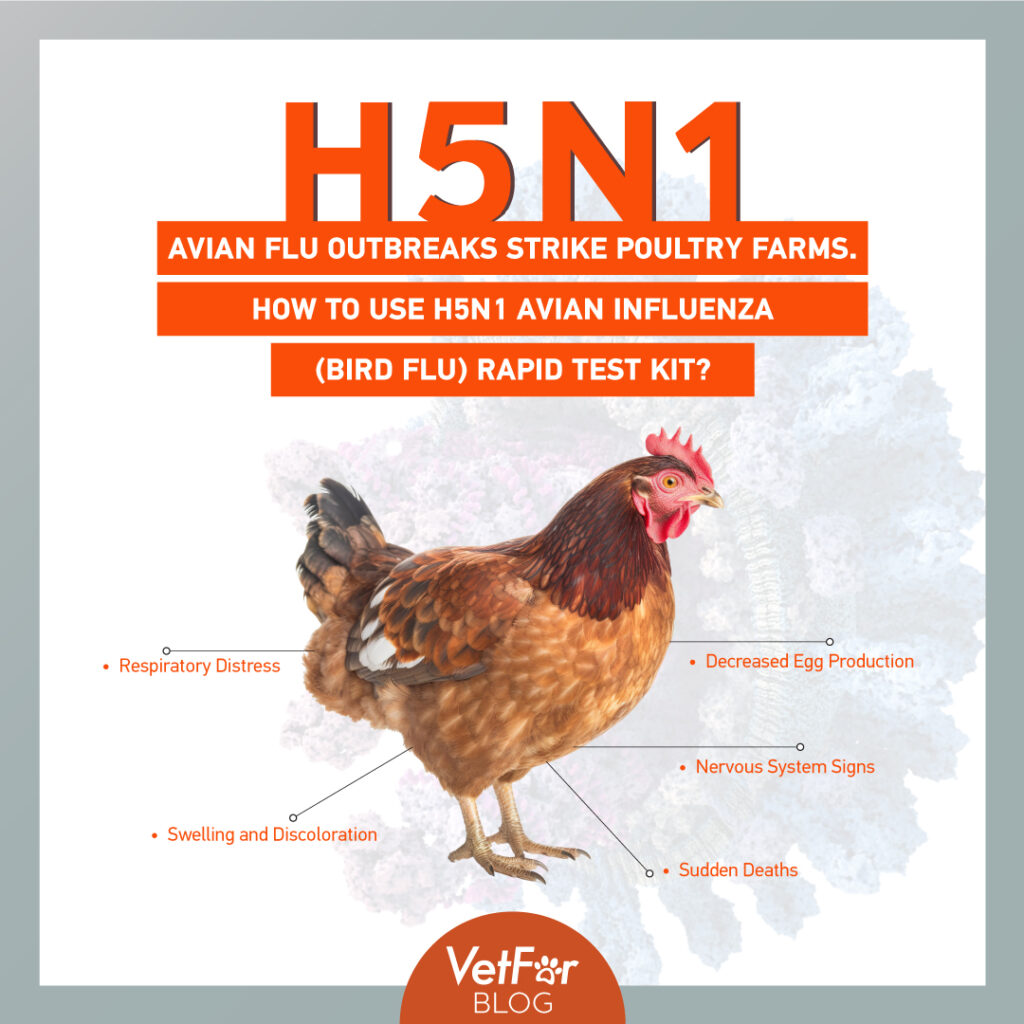
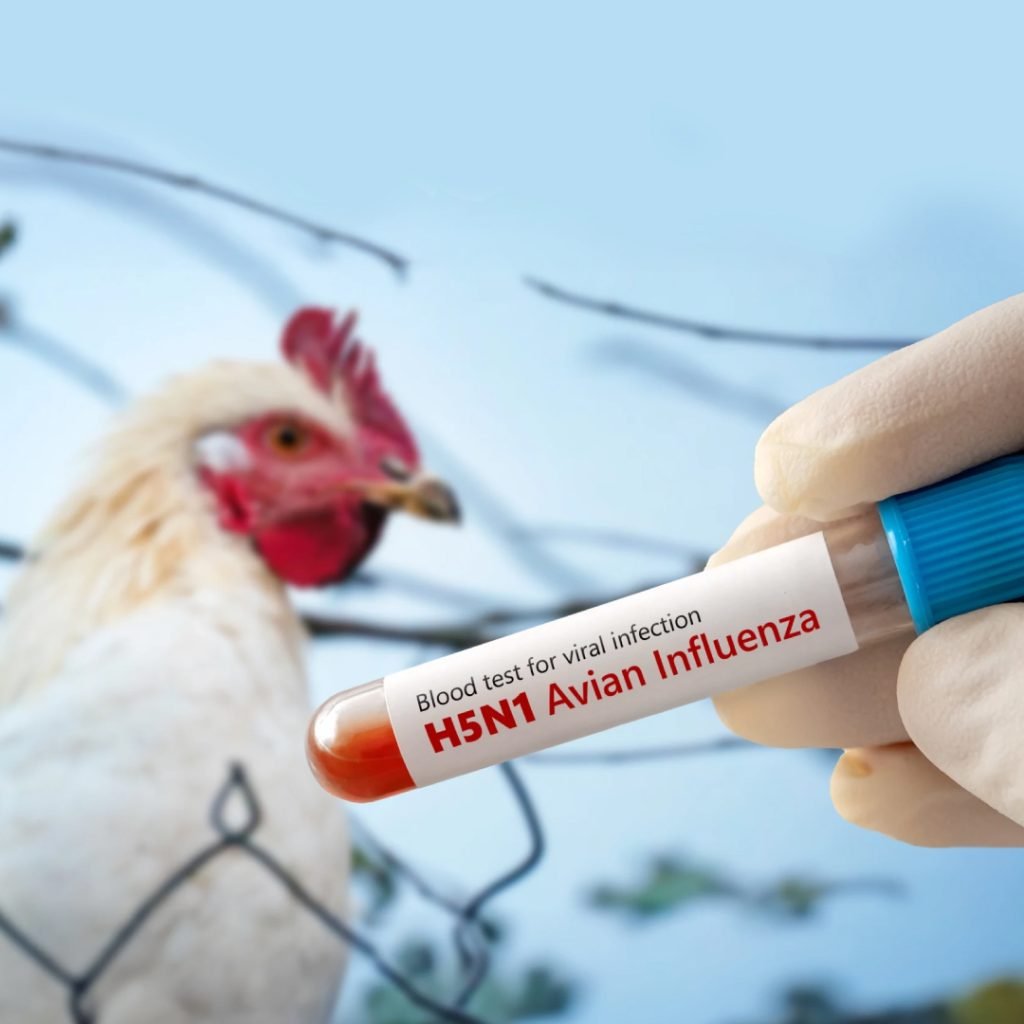
Avian influenza, commonly known as bird flu, is a highly contagious viral disease that affects poultry worldwide. It poses a significant threat to the poultry industry due to its potential for rapid spread, high mortality rates, and economic consequences. Early detection and rapid testing are essential in controlling outbreaks and…