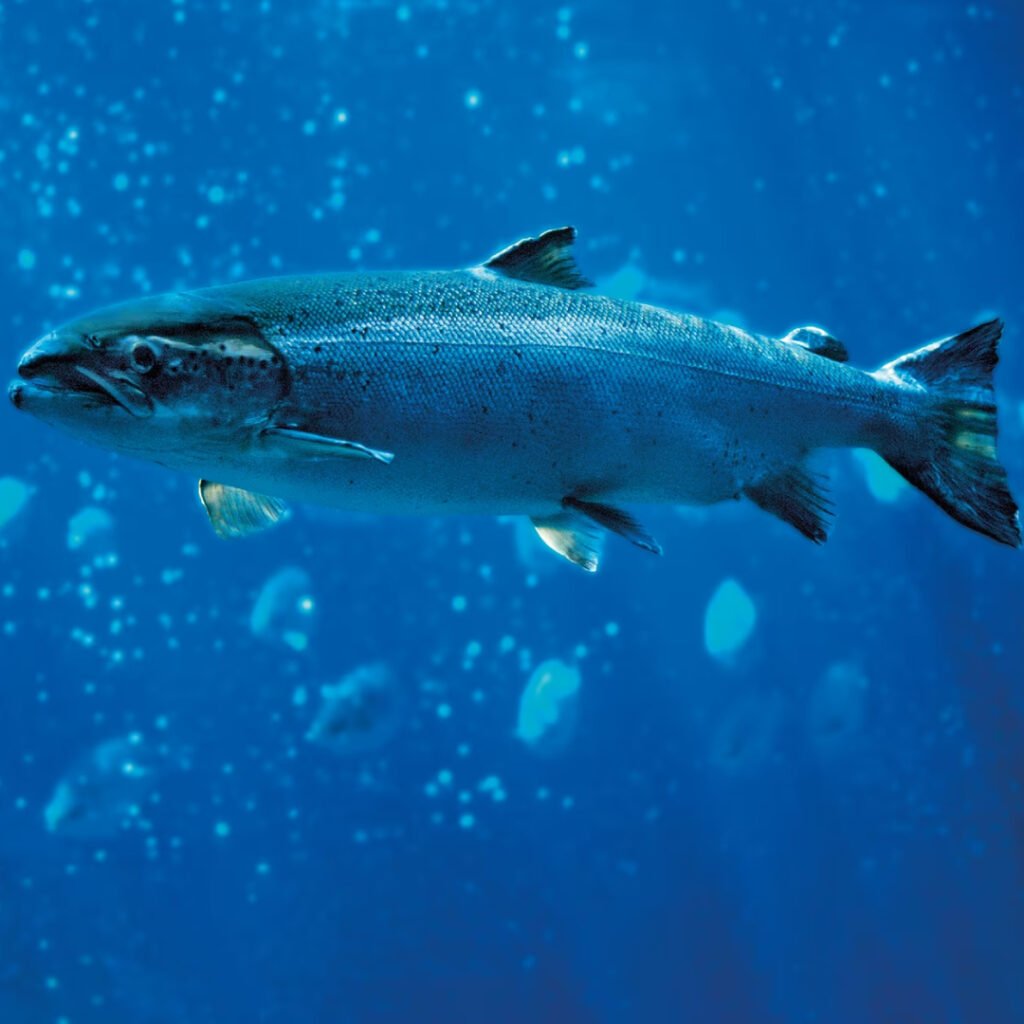
Salmonid rickettsial septicaemia (SRS), also called piscirickettsiosis, is an important bacterial disease of farmed salmonids. It is caused by Piscirickettsia salmonis, a Gram negative bacterium that can multiply inside fish cells, which supports persistence and systemic disease in aquaculture. SRS can lead to mortality, reduced growth, and higher treatment costs…
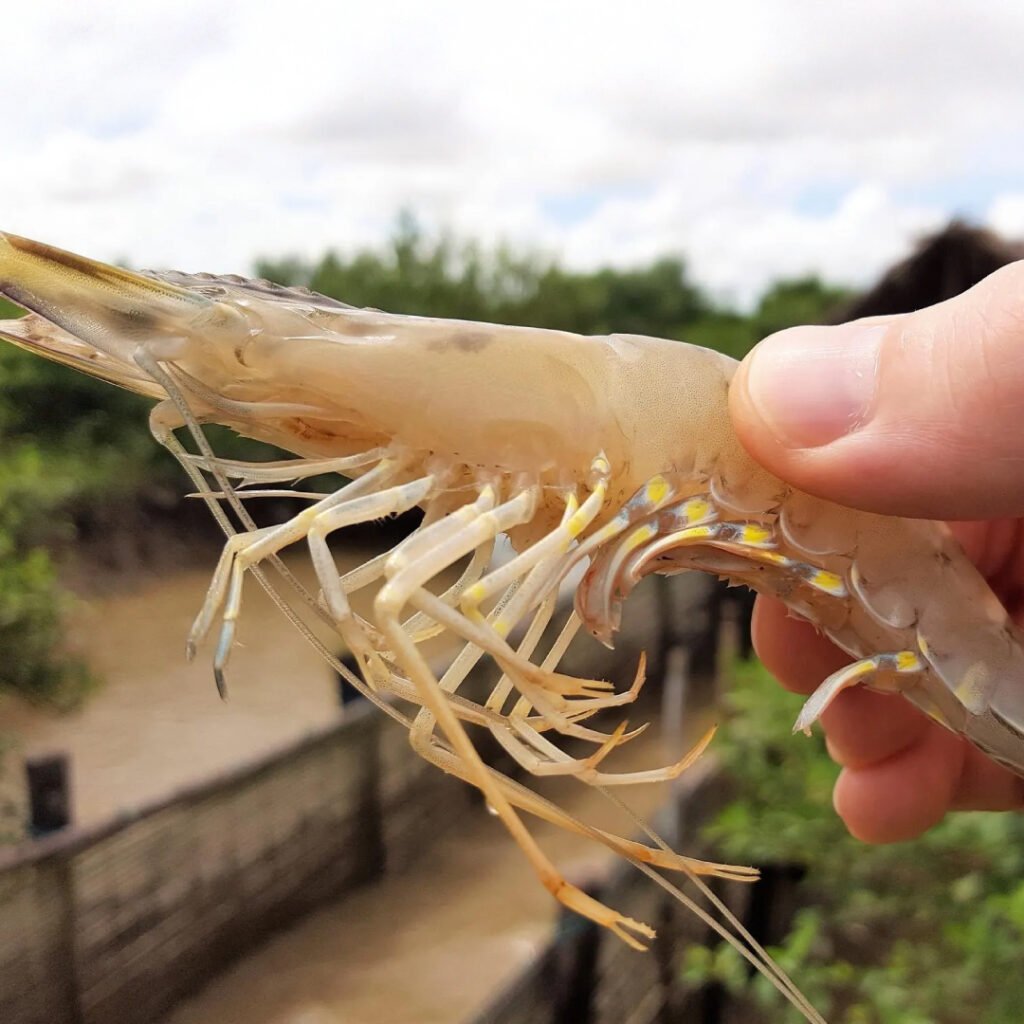
White spot syndrome disease (WSSD) is caused by white spot syndrome virus (WSSV) and can trigger sudden, high mortality in farmed shrimp and prawns. Because the virus can move quickly between ponds, farms usually prioritize early suspicion, fast confirmation, and strong biosecurity. WSSV is listed by WOAH, so outbreaks may…
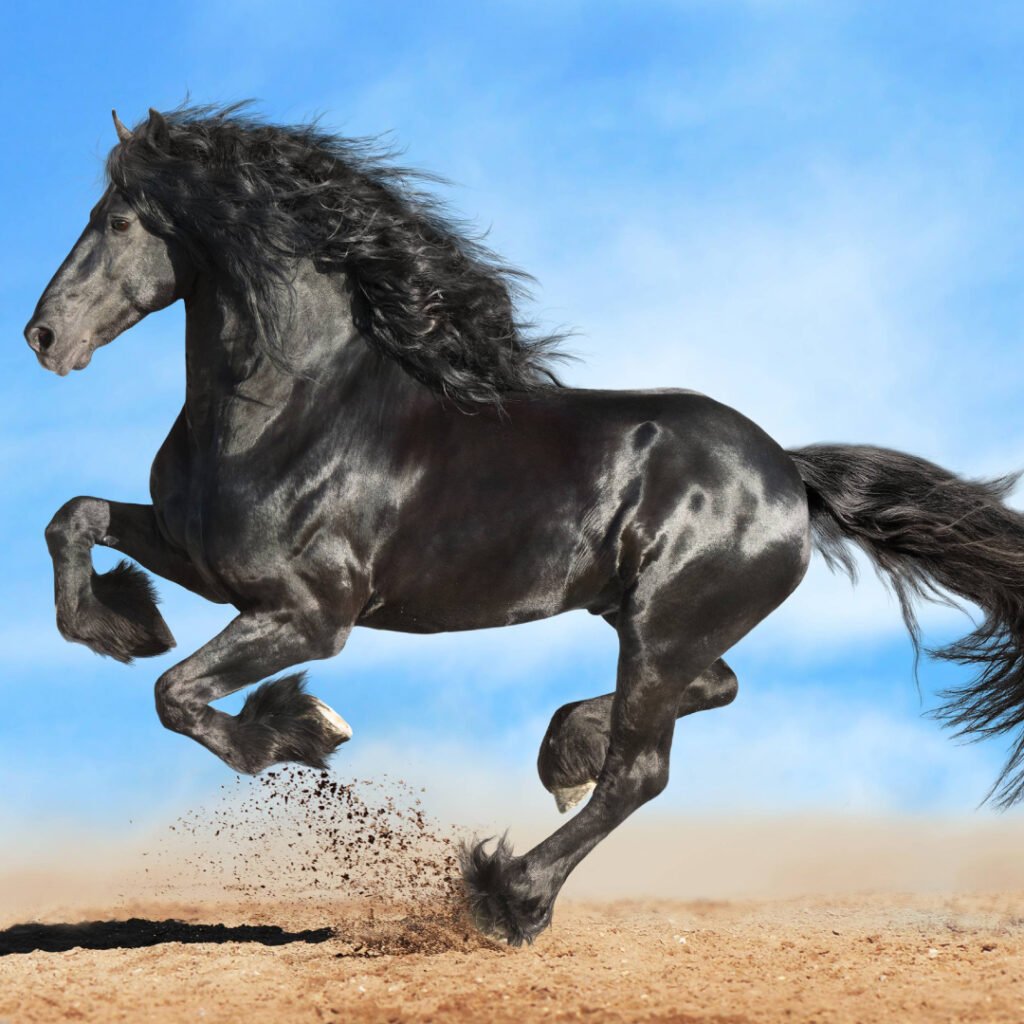
What is EHV-1 and why can horses look normal? EHV-1 is an alphaherpesvirus common in equine populations. After an initial infection (often a mild respiratory illness), the virus can establish lifelong latency. Horses may look clinically normal for long periods and still contribute to transmission when the virus reactivates under…
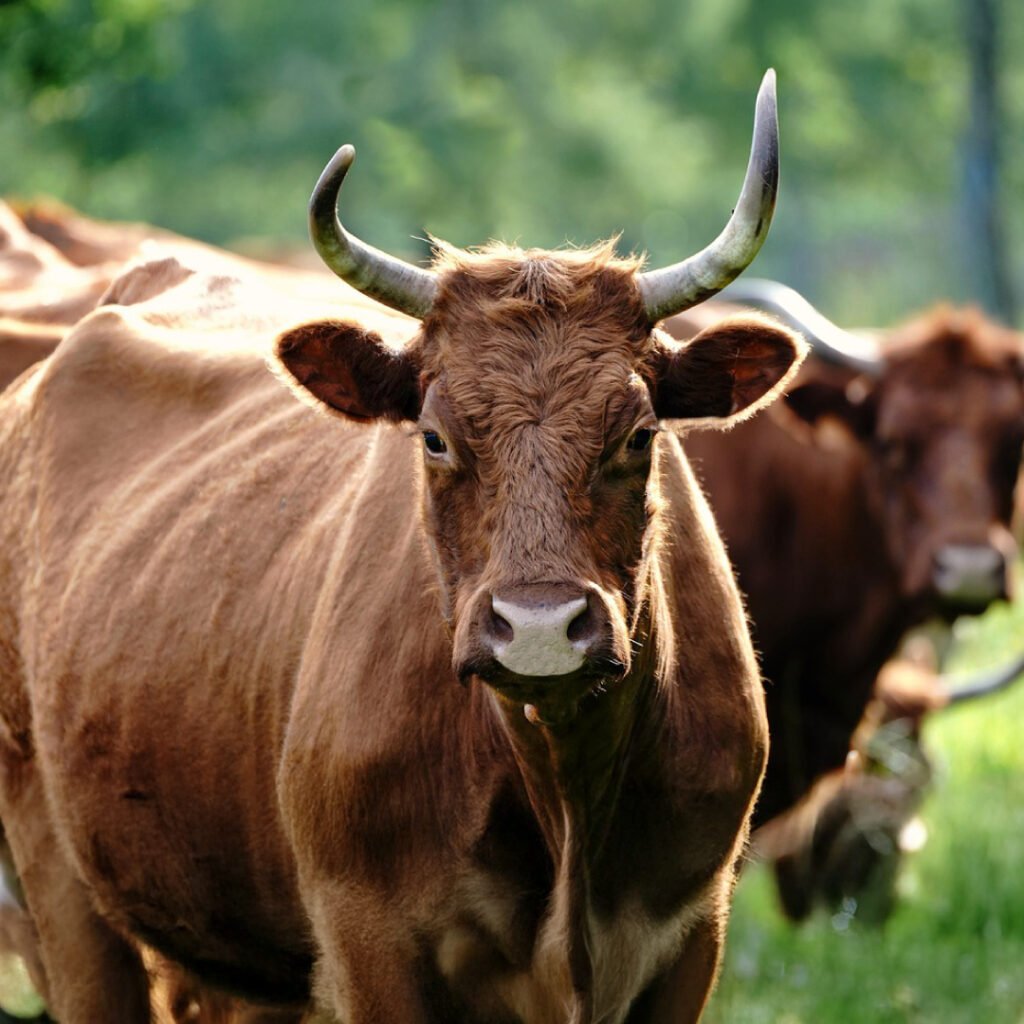
Bovine coronavirus is an enveloped RNA virus that causes enteric disease in young calves and is a well established cause of winter dysentery in adult cattle. It has also been associated with respiratory disease within the bovine respiratory disease complex. How cattle become infected BCoV spreads through feces and…
Feline immunodeficiency virus (FIV) is a lentivirus that can weaken immune defenses over time. Many cats appear normal for years, but immune suppression can increase the risk of chronic oral disease, recurrent infections, and some cancers, so risk awareness and timely testing matter. What is FIV and why…
Feline leukemia virus (FeLV) is a retrovirus of cats that can cause immune suppression, anemia, and lymphoma. Many cats have no obvious signs early, so routine testing and prevention are key in shelters, multi cat homes, and for cats with outdoor exposure. What is FeLV and why does it…