
Kidney disease is a silent threat for many cats and dogs. In humans there are approximately 0.9 to 1.0 million nephrons per kidney, whereas dogs have on average 400 to 600 thousand and cats have approximately 180 to 200 thousand. Because nephrogenesis does not occur after birth, this smaller innate…
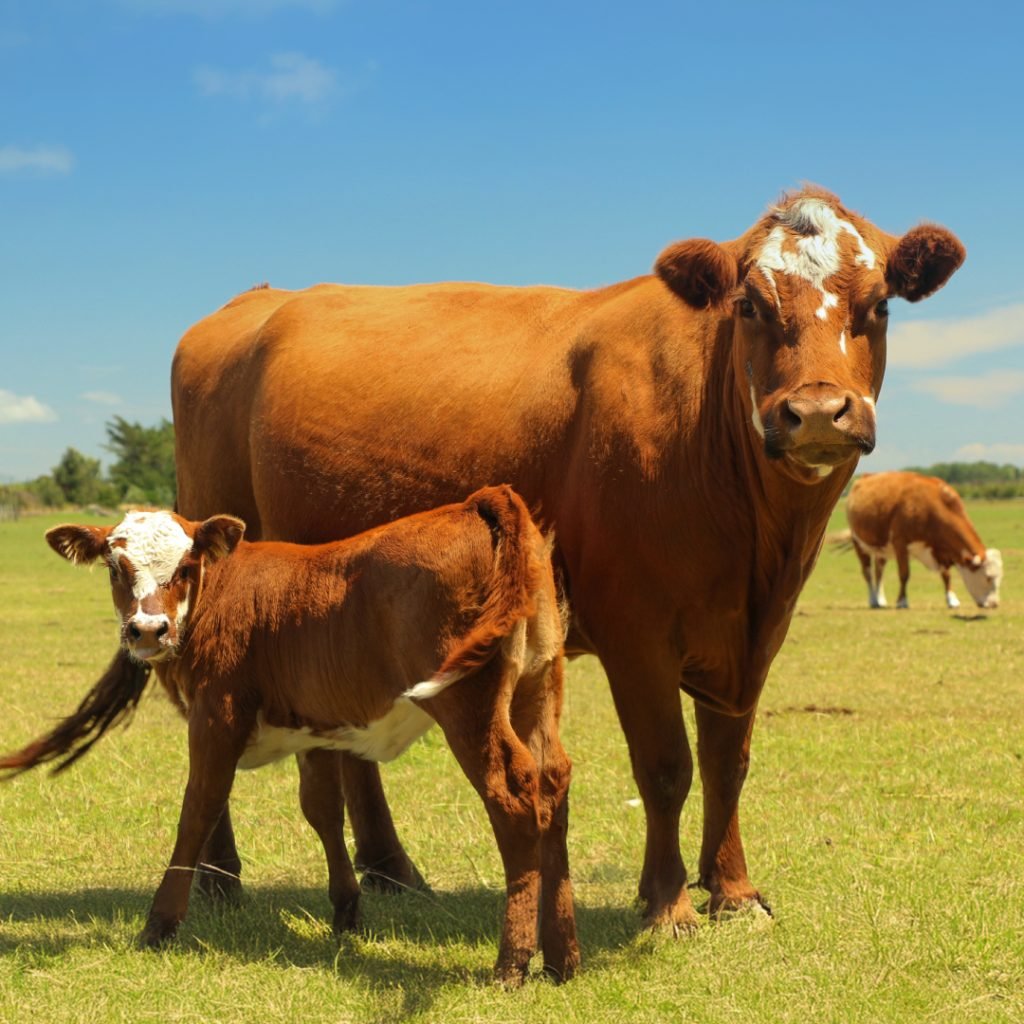
Escherichia coli (E. coli) is a common bacterium in the intestines of cattle, and most of the time it behaves itself. In fact, the majority of E. coli strains are harmless gut residents, the microbial equivalent of good neighbors. However, as every farmer knows, one bad apple can spoil the…
Bartonella henselae might sound like a insignificant latin name, but it’s actually a tiny bacterium carried by cat fleas that can cause big trouble for cats and for the people who love them. This pathogen is the culprit behind the infamous “cat scratch fever” in humans. Cats pick up B.…
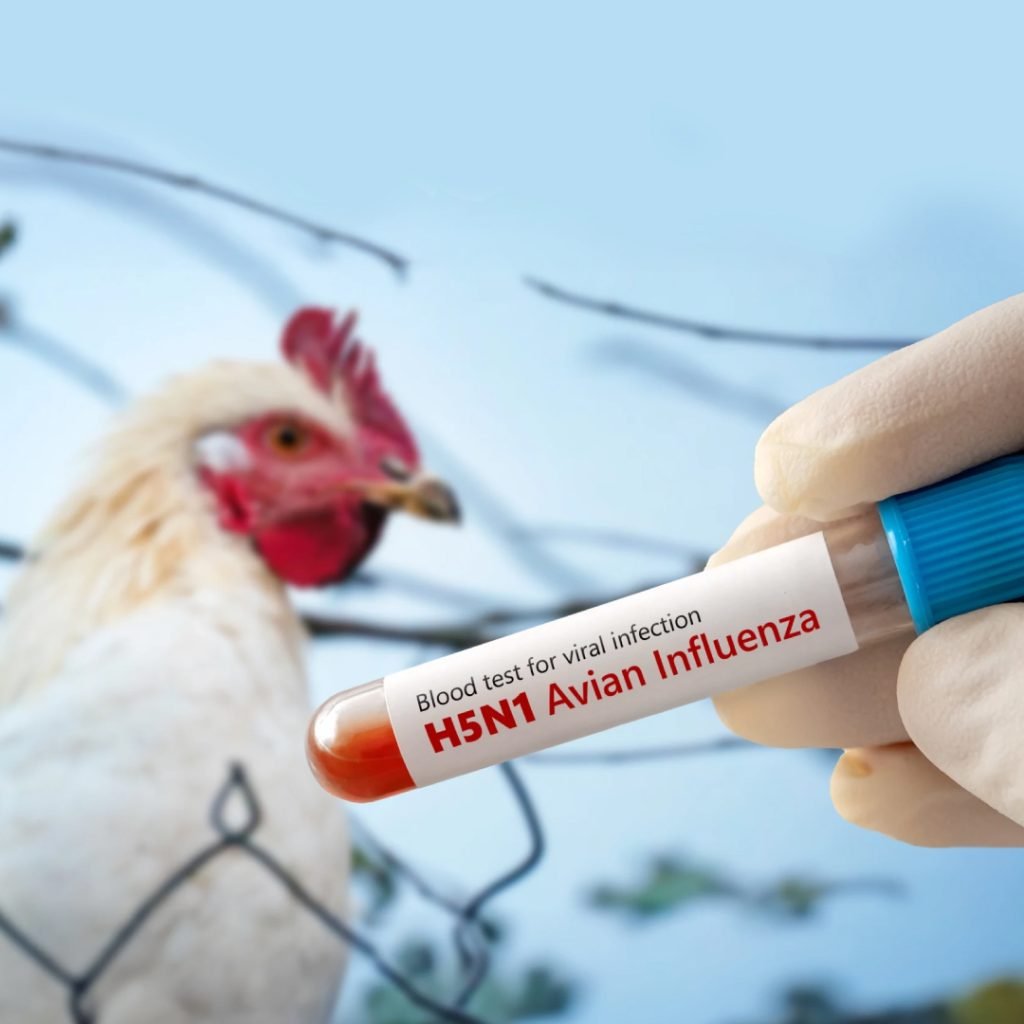
Bird flu (avian influenza) isn’t a brand new bug, it’s a family of influenza A viruses that normally circulate in birds. Wild waterfowl (ducks, geese, shorebirds) are the classic reservoir hosts, often carrying flu viruses without looking sick. But some strains can spill into farm flocks or even people. For…
Leishmania might sound exotic, but it’s actually a tiny single celled parasite carried by sand flies (Phlebotomus papatasi, tiny blood sucking insects) that can spell big trouble for dogs. It’s not spread by ordinary fleas or ticks, only sand flies transmit it. Leishmania infantum is the main cause of canine…
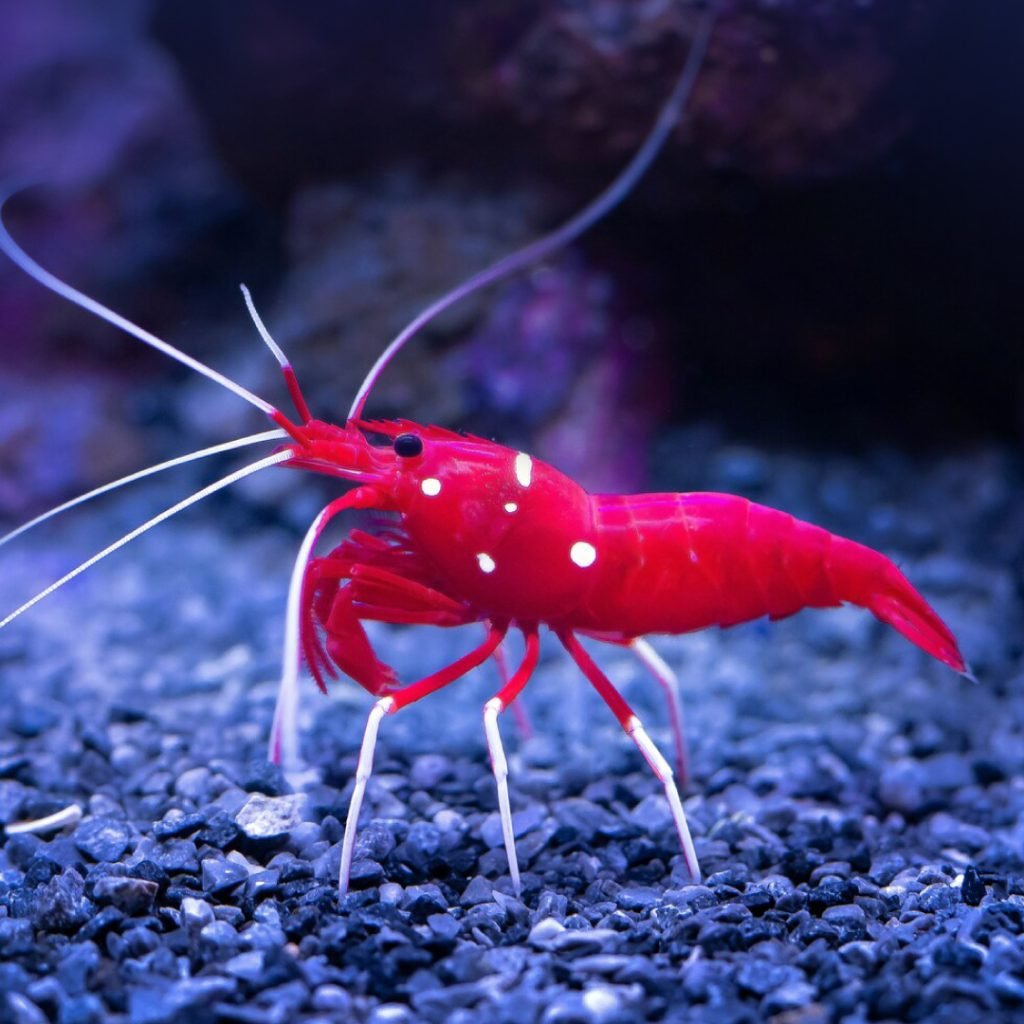
What is IHHNV? IHHNV is a tiny DNA virus (a parvovirus) that infects shrimp. You can think of it as a microscopic troublemaker with a big name. It’s highly contagious to most farmed shrimp species, including Pacific white shrimp (Penaeus vannamei), black tiger shrimp (P. monodon), Pacific blue shrimp…
Feline Infectious Peritonitis (FIP) is perhaps one of the most dreaded diseases among us cat owners. It is a type of illness that develops through a mutation in cats infected with feline coronavirus. The spread of the COVID-19 virus and the emergence of its variants have unfortunately increased the risk…
Giardia is a microscopic protozoan parasite that causes intestinal infection and diarrhea in its hosts (CDC, 2024). In cats and dogs, this infection is called giardiasis, which occurs when the parasite colonizes and multiplies in the animal’s small intestine. Once inside the hosts’ gut, the parasites attach to the intestinal…
What is Infectious Bronchitis and Which Birds Does It Affect? Infectious bronchitis (IB) is a highly contagious respiratory disease of chickens caused by the avian coronavirus IBV. It occurs worldwide and affects both meat-type and egg-laying chickens of all ages. Infected flocks suffer rapid spread of disease. While IBV primarily infects…
Heartworm disease may not seem like an immediate concern to many pet owners, but for veterinarians and animal health professionals, it remains a constant challenge that requires timely and precise diagnosis. Caused by the parasitic roundworm Dirofilaria immitis, canine heartworm (CHW) disease can be life-threatening if not diagnosed in time.…