
Canine distemper is a highly contagious viral disease that affects dogs worldwide. Caused by the Canine Distemper Virus (CDV), this virus is notorious for attacking multiple systems within a dog’s body, including the respiratory, gastrointestinal, and nervous systems. It can lead to symptoms ranging from coughing and nasal discharge to…
When it comes to equine health and reproduction, time, precision, and preventative action are everything. Among the many threats to equine breeding programs worldwide, one stands out for its potential to disrupt fertility, hinder trade, and create silent outbreaks: Taylorella equigenitalis, the causative agent of Contagious Equine Metritis (CEM). CEM…
Feline Infectious Peritonitis (FIP) is one of the most feared viral diseases in cats, known for its elusive nature and typically fatal outcome. It affects cats of all ages, though it is most commonly seen in kittens and young cats under two years old. The complexity of its diagnosis and…
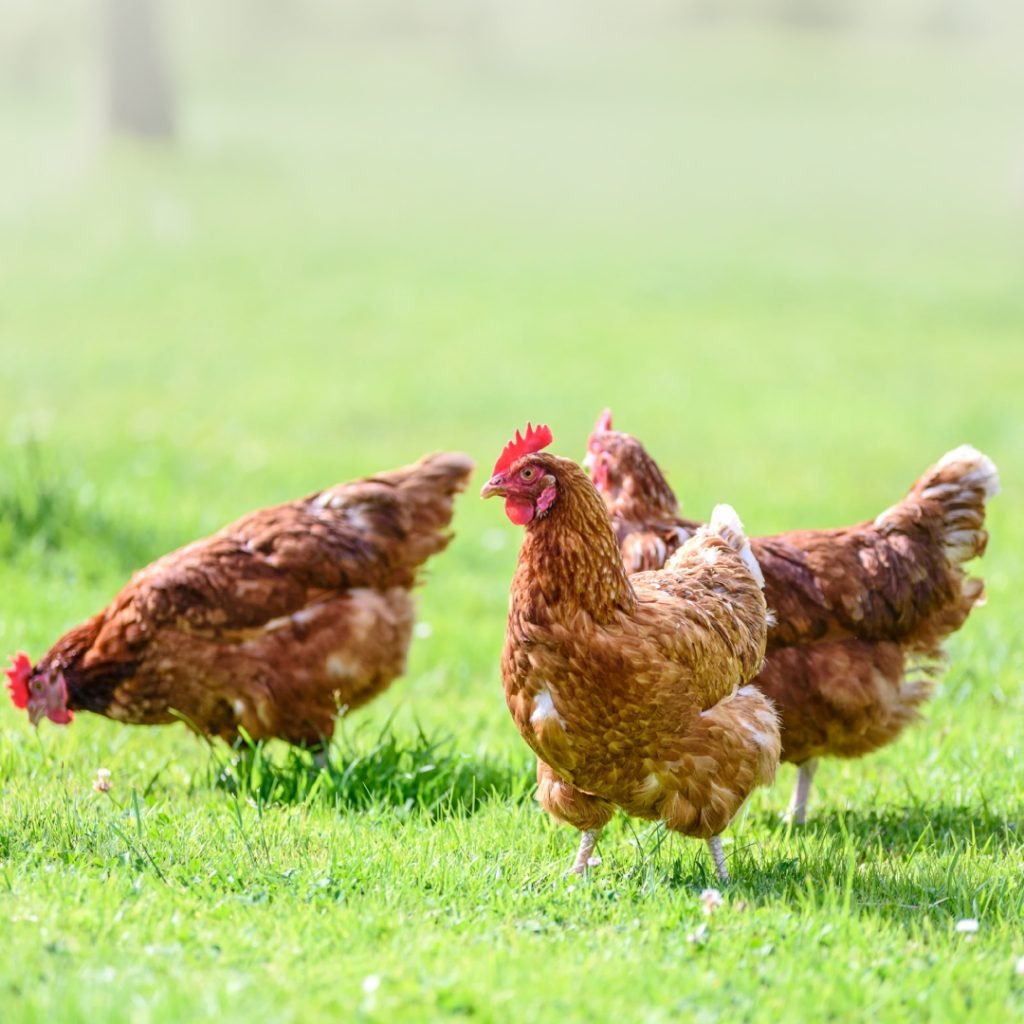
Newcastle Disease (ND) is one of the most feared viral diseases in the global poultry industry. Caused by the Newcastle Disease Virus (NDV), a member of the Paramyxoviridae family, this highly contagious illness affects both domestic and wild birds like chickens, turkeys, pigeons, and other avian species. NDV can strike…
Understanding Brucellosis: A Silent but Dangerous Livestock Disease Brucellosis is a highly infectious bacterial disease caused by the Brucella genus. It primarily affects cattle, sheep, goats, pigs, and even dogs, leading to reproductive failure, abortions, and reduced productivity. The disease can also be transmitted to humans, making it a serious…
Feline Panleukopenia: A Silent but Deadly Threat Feline Panleukopenia Virus (FPV), commonly known as feline distemper, is one of the most devastating diseases affecting cats. It is a highly contagious and often fatal viral infection caused by a parvovirus that targets rapidly dividing cells, leading to severe immune suppression and…
Toxoplasmosis: How It Affects Cats and Other Animals Toxoplasmosis and its causative agent Toxoplasmosis is a disease caused by a single-celled parasite called Toxoplasma gondii that can infect humans and animals. Cats are the definitive host of T. gondii; they spread the oocysts through their feces, setting the stage for…
What is FIV and how does it affect the immune system? Feline immunodeficiency virus (FIV) is a virus that attacks the host’s immune system in cats, lowering their immune system function and making them more susceptible to various diseases. Although it has been called “feline AIDS” in analogy to HIV…
Calf diarrhea, also known as neonatal calf diarrhea (NCD) or calf scour, is one of the leading causes of morbidity and mortality in newborn calves. It can result in severe weight loss, dehydration, and economic setbacks for cattle farmers. Since multiple pathogens can cause diarrhea in calves, early and precise…
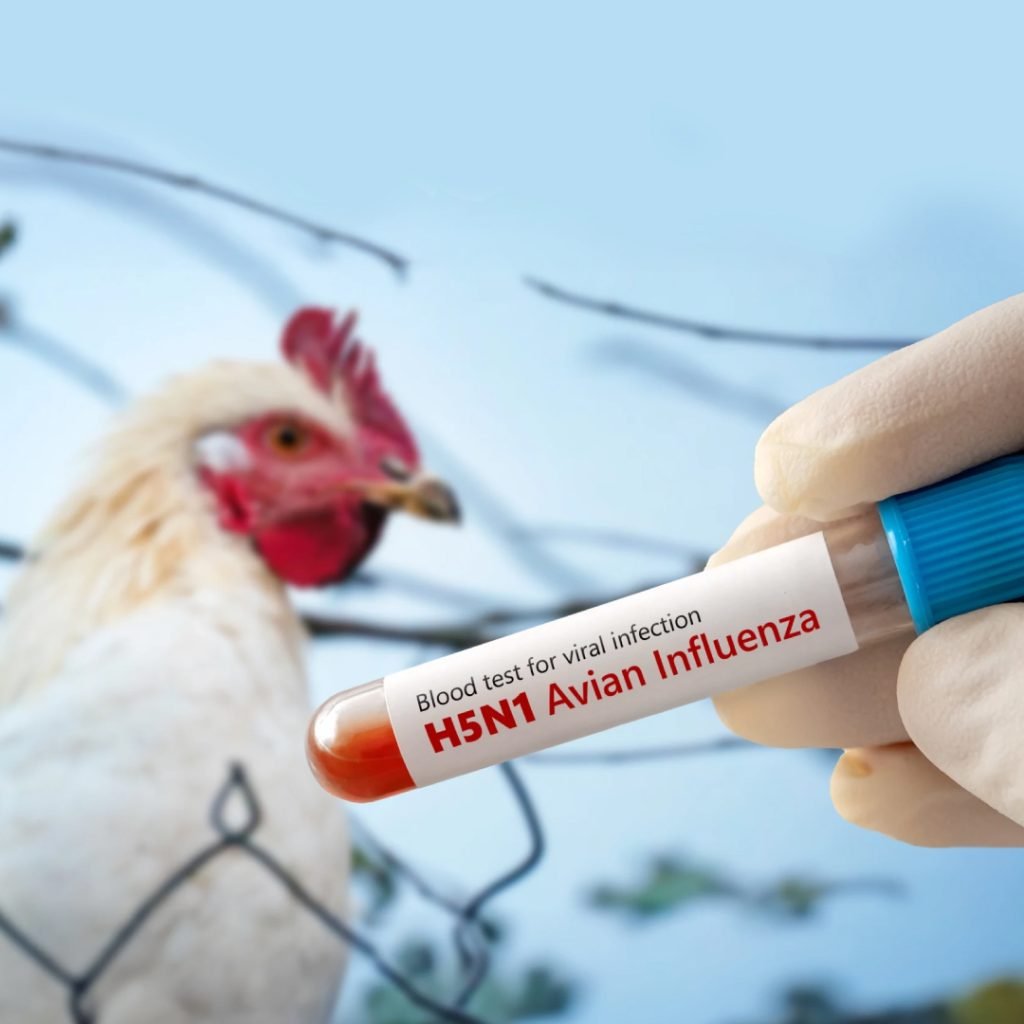
Avian influenza, commonly known as bird flu, is a highly contagious viral disease that affects poultry worldwide. It poses a significant threat to the poultry industry due to its potential for rapid spread, high mortality rates, and economic consequences. Early detection and rapid testing are essential in controlling outbreaks and…