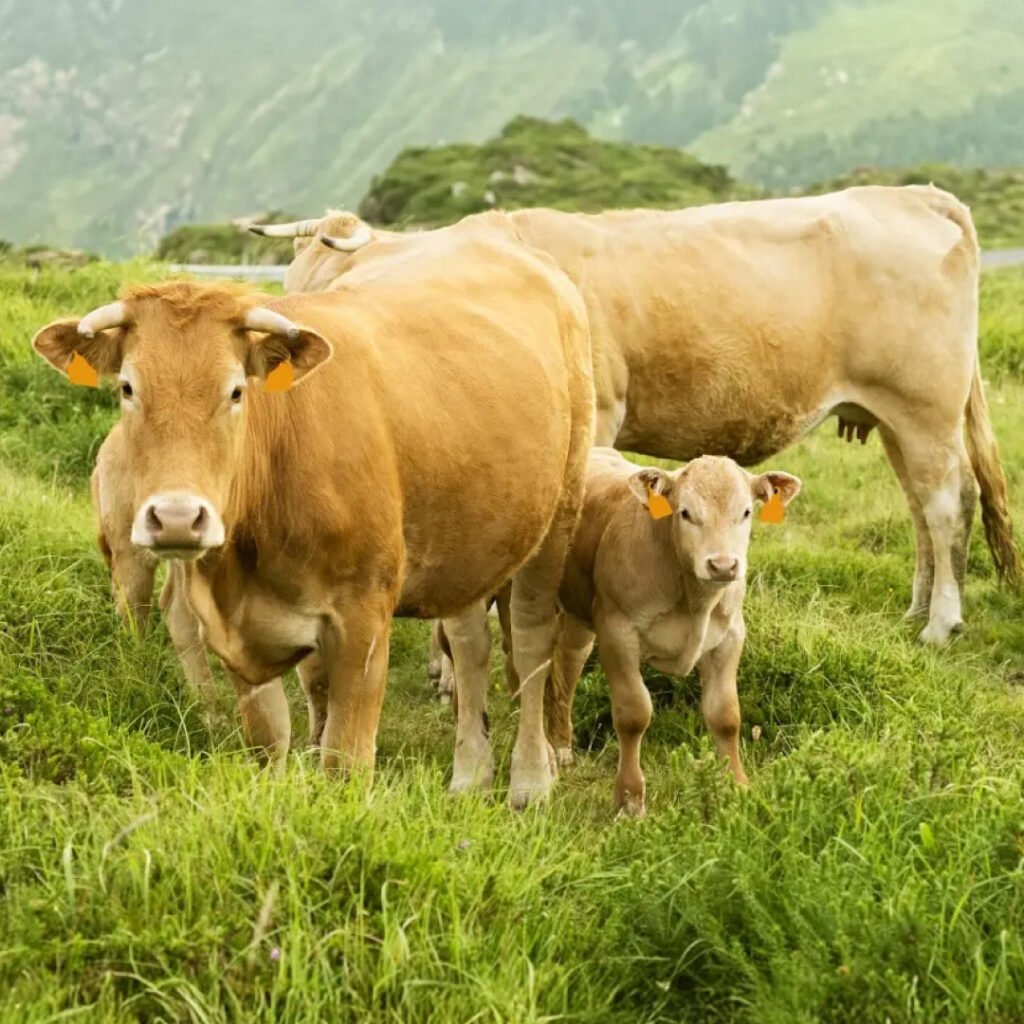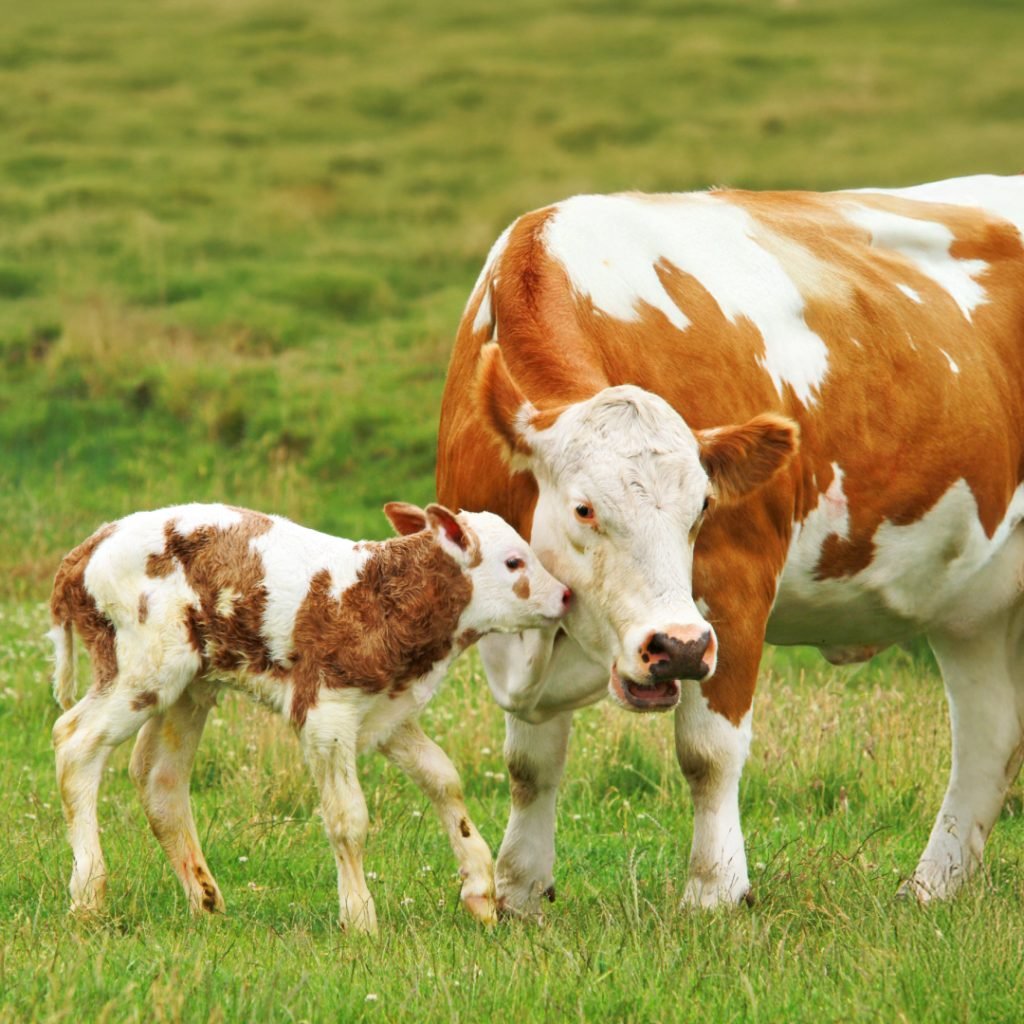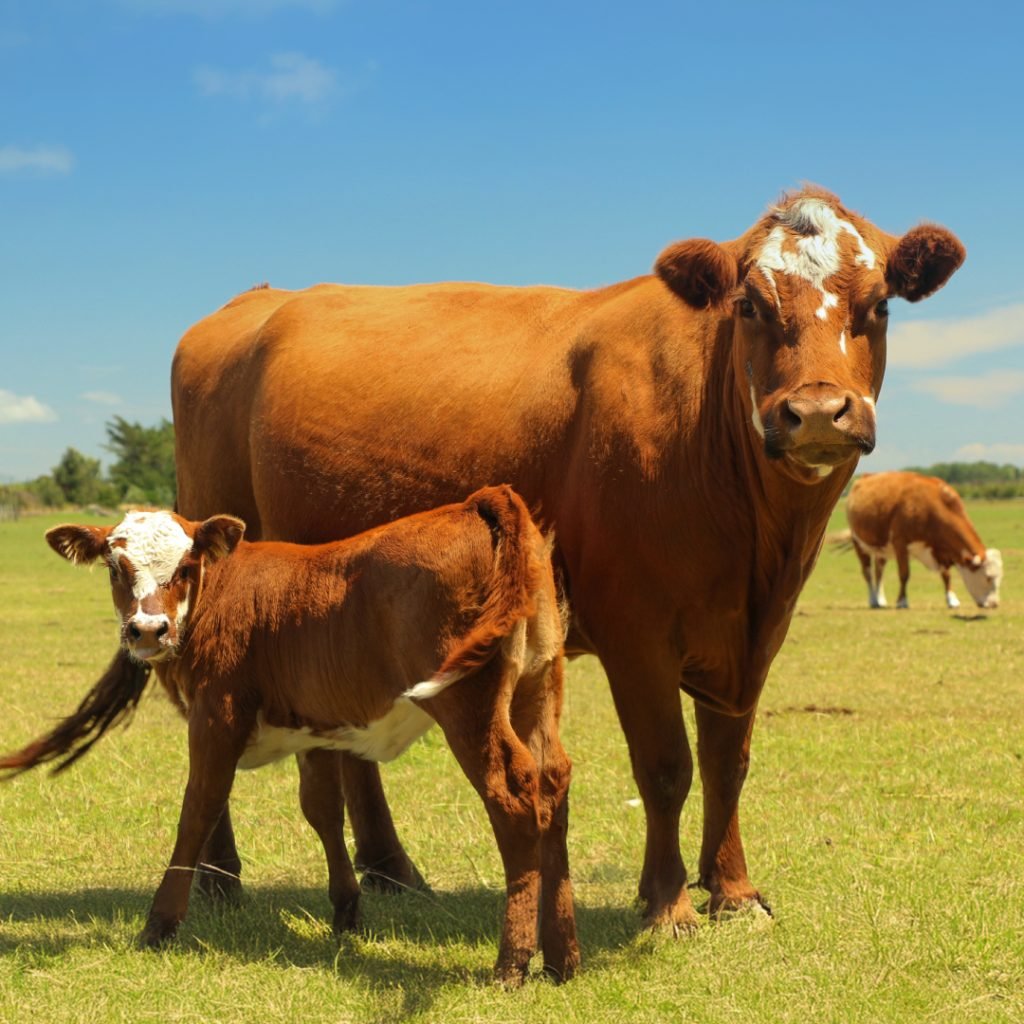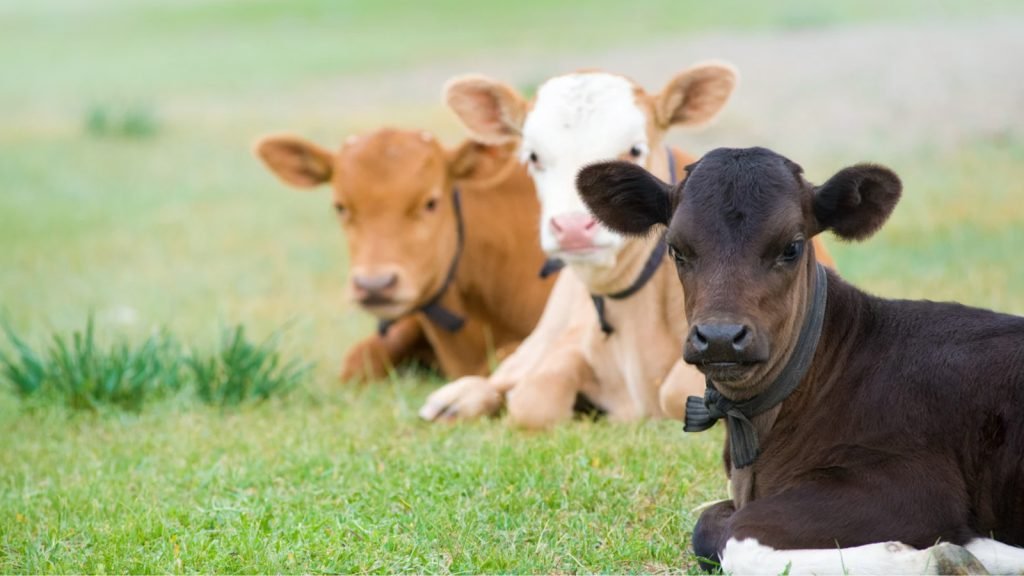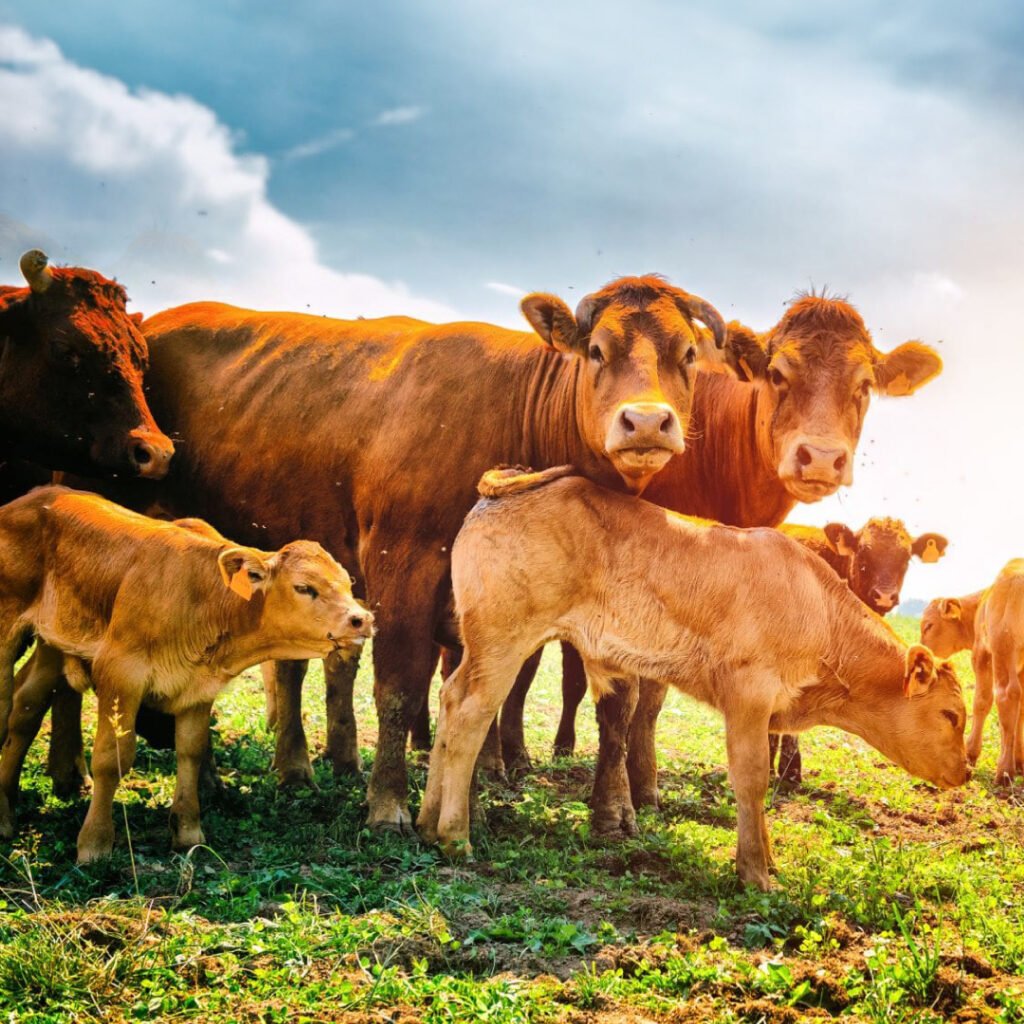
Understanding Cryptosporidium parvum in Calves Cryptosporidium parvum is a protozoan parasite that infects the intestines of young calves. It’s a leading cause of neonatal calf diarrhea. Infected calves shed huge numbers of oocysts in their feces, quickly contaminating pens, feeders, and water sources. These oocysts are extremely resilient resistant to…
Ask any calf rearer about “crypto” and you will get a knowing look. Cryptosporidiosis is a gut infection caused by Cryptosporidium parvum. It hits calves hard in the first weeks of life, it spreads like Spainsh Flu like its 1918, and it can occasionally make people sick as well. The…
Escherichia coli (E. coli) is a common bacterium in the intestines of cattle, and most of the time it behaves itself. In fact, the majority of E. coli strains are harmless gut residents, the microbial equivalent of good neighbors. However, as every farmer knows, one bad apple can spoil the…
Understanding Brucellosis: A Silent but Dangerous Livestock Disease Brucellosis is a highly infectious bacterial disease caused by the Brucella genus. It primarily affects cattle, sheep, goats, pigs, and even dogs, leading to reproductive failure, abortions, and reduced productivity. The disease can also be transmitted to humans, making it a serious…
Calf diarrhea, also known as neonatal calf diarrhea (NCD) or calf scour, is one of the leading causes of morbidity and mortality in newborn calves. It can result in severe weight loss, dehydration, and economic setbacks for cattle farmers. Since multiple pathogens can cause diarrhea in calves, early and precise…