What it is? EAV is the virus behind equine viral arteritis (EVA). In many horses it can look like a routine “barn cold”-a few days of fever and runny noses-and then it’s gone. The catch is breeding: sexually mature stallions can become long-term shedders, passing the virus in semen even…
Equine influenza is one of the fastest-spreading infectious diseases in horses. In a busy yard or at an event, H3N8 can move through a susceptible group in days, forcing movement restrictions and disrupting training and competition plans. WOAH notes an incubation period typically around 1-3 days, and once introduced into…
Understanding Theileria equi in Horses Theileria equi is a microscopic protozoan parasite that invades the red blood cells of horses, donkeys, and mules. The infection it causes is called equine piroplasmosis. Once inside the bloodstream, the parasite multiplies in red cells and can trigger anemia, fever, and reduced performance. Ticks…
When it comes to equine health and reproduction, time, precision, and preventative action are everything. Among the many threats to equine breeding programs worldwide, one stands out for its potential to disrupt fertility, hinder trade, and create silent outbreaks: Taylorella equigenitalis, the causative agent of Contagious Equine Metritis (CEM). CEM…
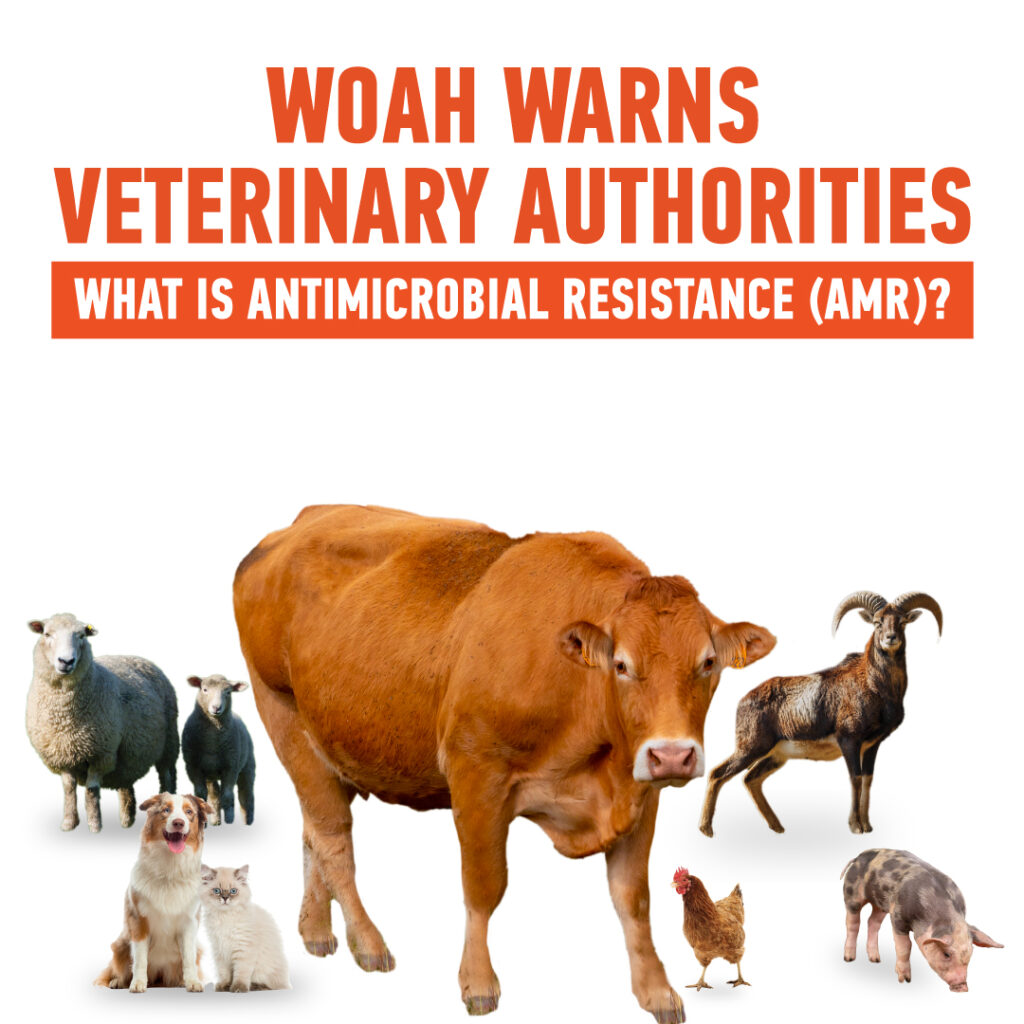
Antimicrobial resistance (AMR) is a pressing global health concern that affects humans, animals, plants, and the environment. The World Organisation for Animal Health (WOAH) has recently released a landmark report highlighting the importance of addressing the misuse of antimicrobials in the animal industry. In this blog, we delve into the…