

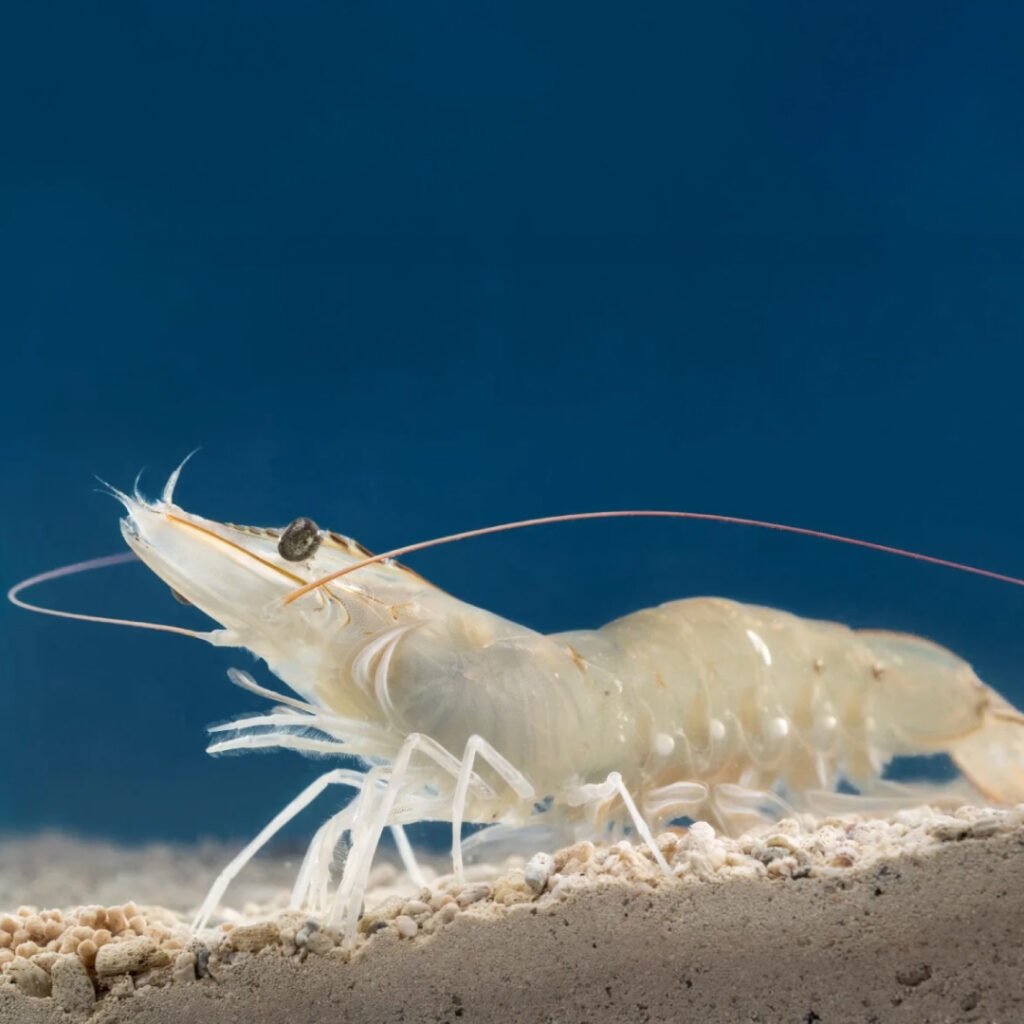
Decapod iridescent virus 1 (DIV1) is an emerging DNA virus (Iridoviridae) that can cause sudden, severe losses in shrimp farming. It is a WOAH-listed aquatic animal disease, so it matters for surveillance, reporting, and trade.
Hosts and why it matters
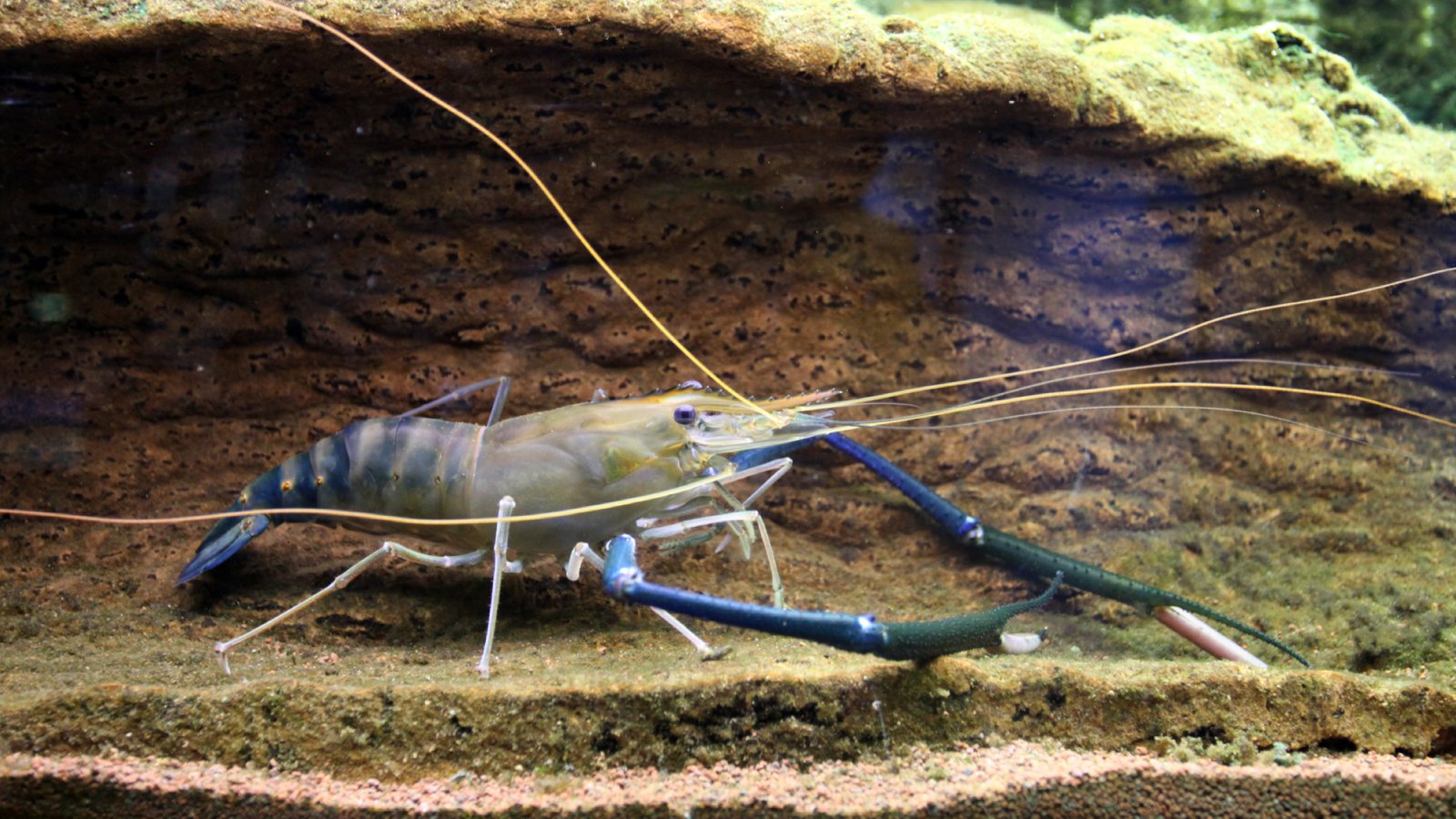
DIV1 has been reported in several decapods, including whiteleg shrimp (Penaeus vannamei) and giant freshwater prawn (Macrobrachium rosenbergii), and it can also be detected in other crustaceans (for example some crabs and crayfish). This broad host range increases the chance of silent carriers and cross-species introduction, especially in polyculture or where wild crustaceans enter ponds.
Clinical picture on farm
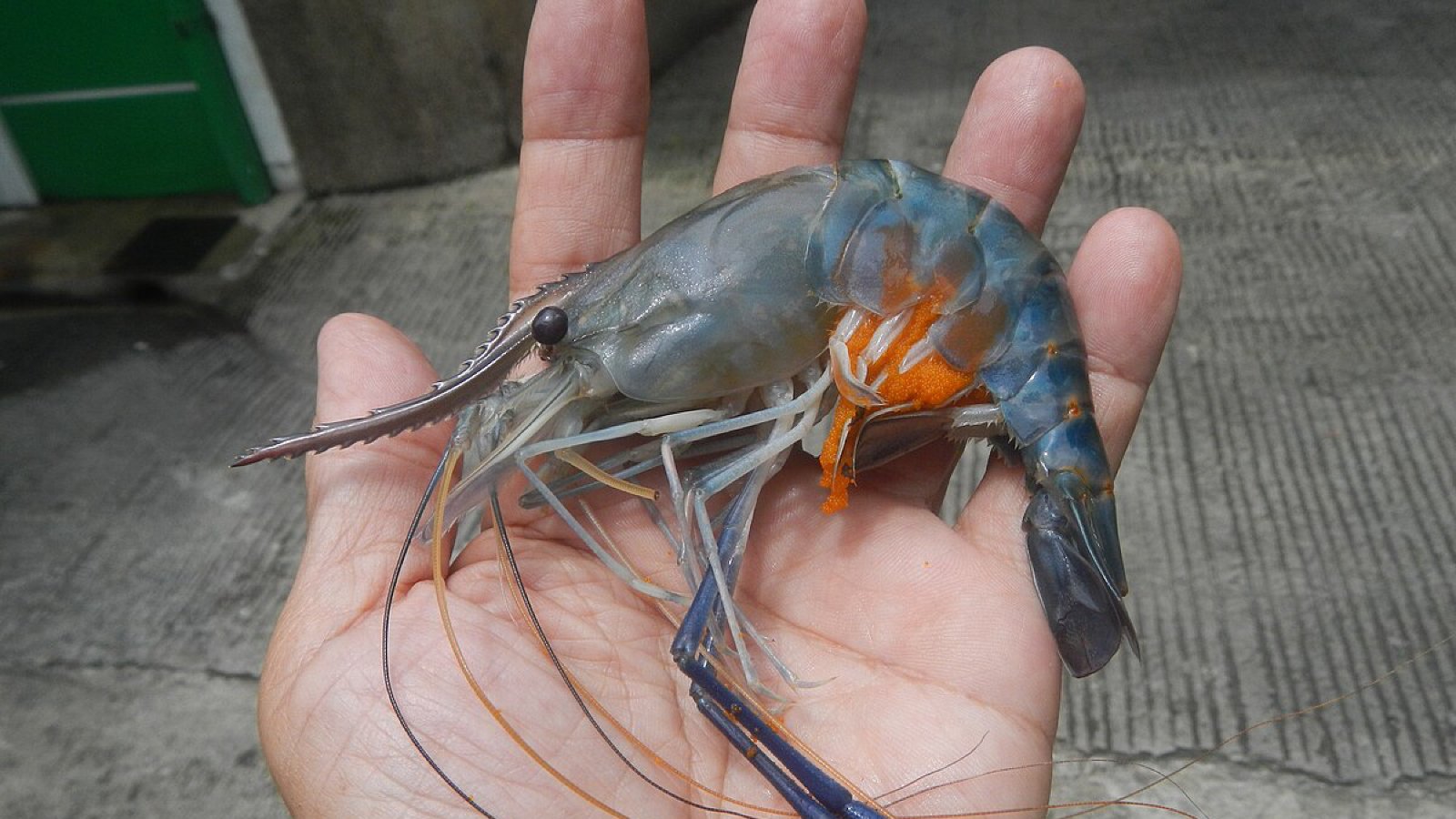
Signs are not always distinctive and can resemble other major pathogens. Common observations in affected P. vannamei include a reddish body, pale or white and atrophied hepatopancreas, soft shell, and empty stomach and gut. In M. rosenbergii, a white discoloration near the base of the rostrum (“white head”) has been described. Reported mortality in natural outbreaks can be very high (up to 80-100%).
How it spreads
Current evidence supports horizontal transmission through oral routes and contaminated water. There are no confirmed vectors, and DIV1 can be found in some wild crustaceans, so biosecurity gaps (water, equipment, staff flow, animal movements) are key risk points.
Diagnosis (do not rely on signs alone)
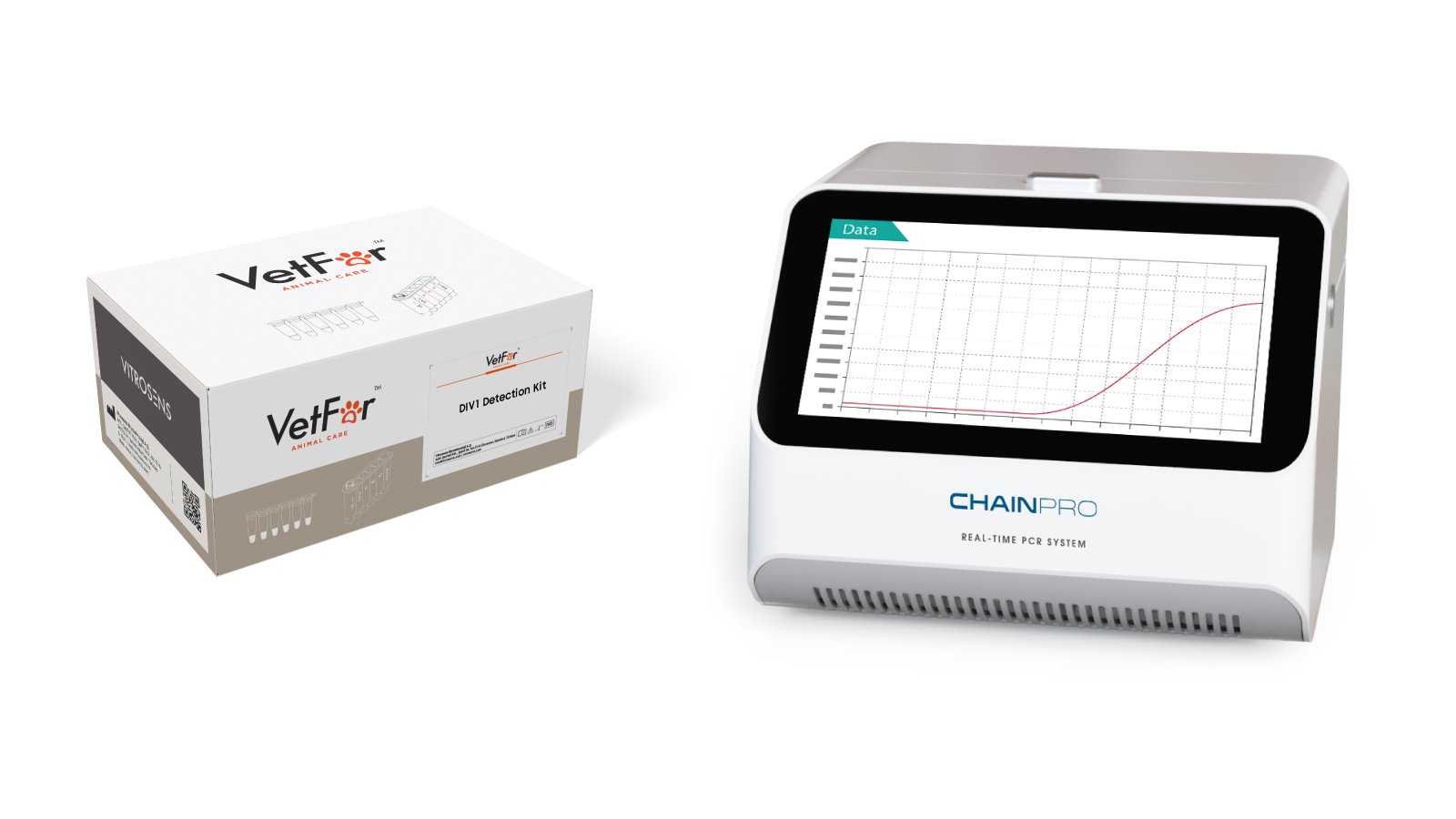
Because clinical signs can overlap with WSSV and other shrimp diseases, DIV1 suspicion should be confirmed with laboratory testing rather than field signs alone. WOAH guidance highlights molecular detection (PCR/qPCR) on target tissues such as gills and hepatopancreas, supported by histopathology and, when needed, in situ hybridization or electron microscopy. In routine surveillance, validated qPCR assays (for example TaqMan-style approaches targeting conserved viral genes) are widely used to screen stocks and guide rapid biosecurity decisions. To make this workflow easier for diagnostic labs, Vitrosens Biyoteknoloji lists a dedicated DIV1 Detection Kit (VVK10) in its VetFor Animal Health catalog, reflecting the company’s growing focus on practical molecular solutions for aquaculture health monitoring.
Practical prevention and control
There is no widely adopted vaccine or curative treatment. Focus on prevention: source tested broodstock/postlarvae, quarantine and test before stocking, avoid polyculture and shared water between crustacean species, disinfect equipment and vehicles, remove mortalities quickly, and stop movements while confirmatory testing is underway.
References
- World Organisation for Animal Health (WOAH). Aquatic Manual 2024. Chapter 2.2.3: Infection with decapod iridescent virus 1 (DIV1).
- Qiu L, Chen X, Guo XM, et al. A TaqMan probe based real-time PCR for the detection of Decapod iridescent virus 1. J Invertebr Pathol. 2020. doi:10.1016/j.jip.2020.107367.
- Liao X, He J, Li C. Decapod iridescent virus 1: An emerging viral pathogen in aquaculture. Rev Aquac. 2022. doi:10.1111/raq.12672.
- Chen X, Qiu L, Wang HL, et al. Susceptibility of Exopalaemon carinicauda to the infection with Shrimp hemocyte iridescent virus (SHIV 20141215), a strain of Decapod iridescent virus 1 (DIV1). Viruses. 2019;11(4):387. doi:10.3390/v11040387.
- Li F, Xu L, Yang F. Genomic characterization of a novel iridovirus from redclaw crayfish Cherax quadricarinatus: evidence for a new genus within the family Iridoviridae. J Gen Virol. 2017;98:2589-2595. doi:10.1099/jgv.0.000904.