

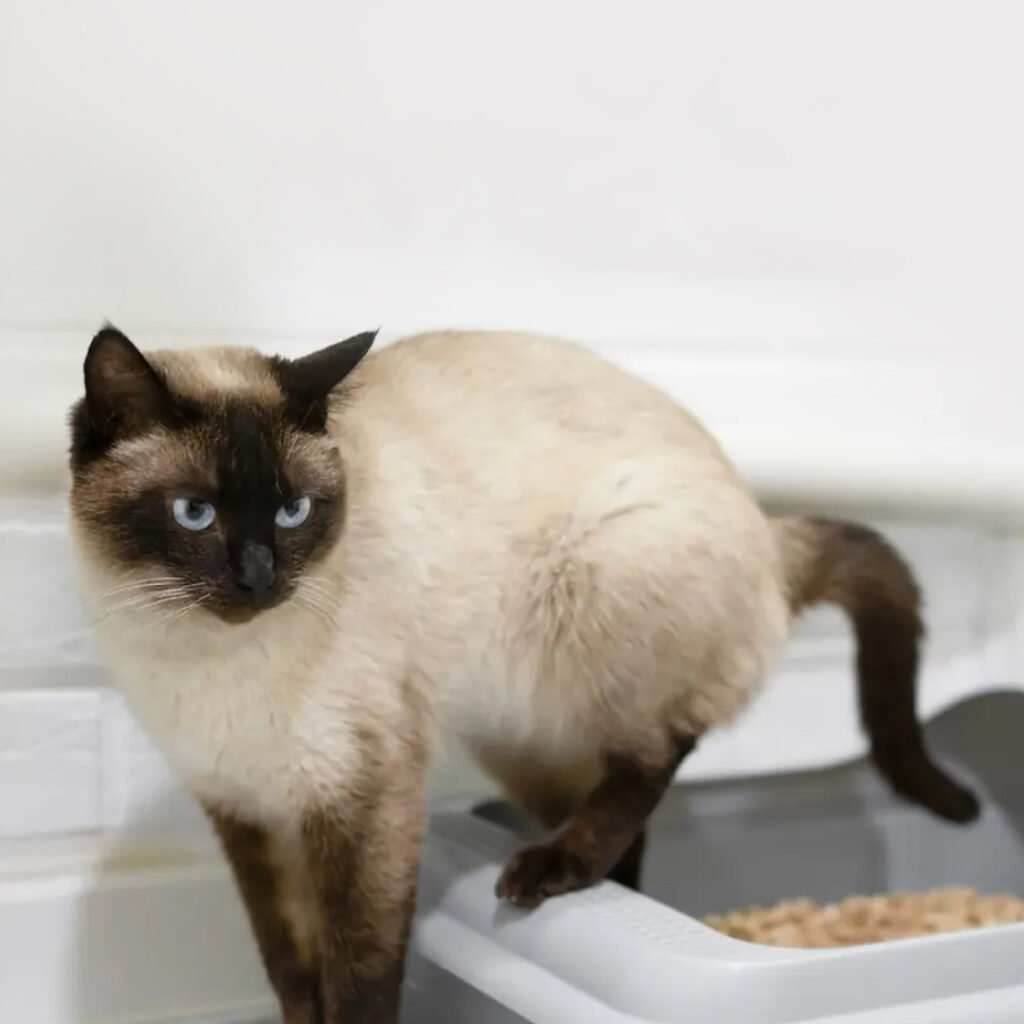
Why Can Feline Diarrhea Be Difficult to Investigate?
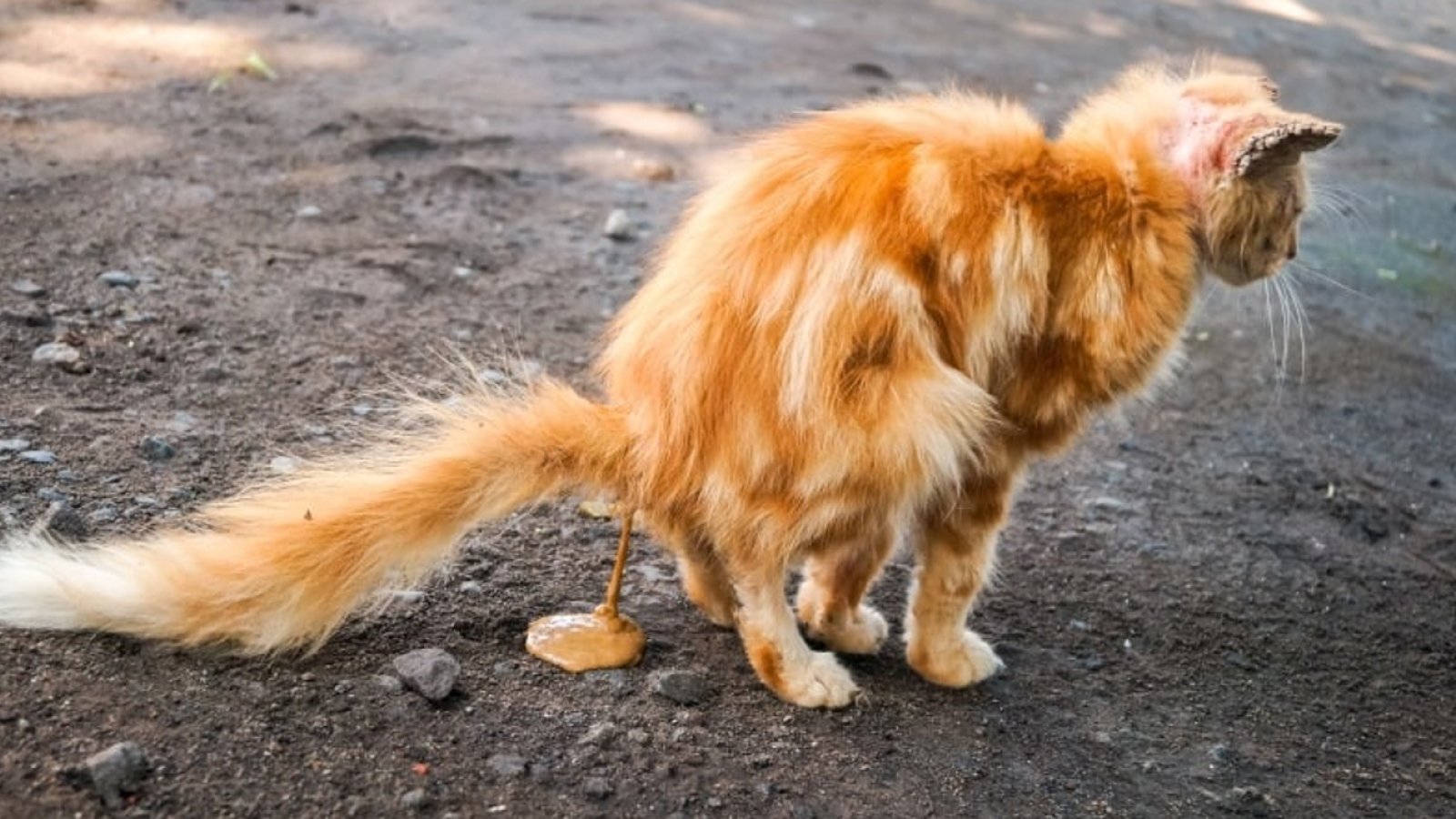
A single episode of diarrhea may follow a dietary change or stress, but persistent or recurrent gastrointestinal signs can have many possible causes.
Infectious gastrointestinal disease in cats may involve viruses, bacteria, or protozoal parasites. Cornell notes that prolonged diarrhea, particularly when accompanied by poor appetite, lethargy, or vomiting, warrants veterinary evaluation.
The challenge is that very different pathogens can produce overlapping signs.
Which Infectious Agents Can Affect the Feline Gastrointestinal Tract?
Examples include feline panleukopenia virus, feline enteric coronavirus, Salmonella, Campylobacter, Clostridium species, Escherichia coli, Giardia, Toxoplasma, Cryptosporidium and Trichomonas.
Possible signs associated with gastrointestinal disease include:
• Acute or chronic diarrhea
• Vomiting
• Reduced appetite
• Weight loss
• Dehydration
• Lethargy
• Mucus or blood in feces in some cases
Not every infected cat develops obvious clinical disease. Giardia, for example, may be detected in cats without symptoms, although symptomatic animals may develop acute or chronic diarrhea and weight loss.
VetFor™ Feline Gastro ID-12 Genotyping qPCR Kit
The VetFor™ Feline Gastro ID-12 Genotyping qPCR Kit is designed for qualitative molecular detection of selected feline gastrointestinal pathogens in fecal samples.
The 12-target panel includes:
- Feline Coronavirus (FCoV)
- Feline Parvovirus (FPV)
- Clostridium perfringens
- Clostridium difficile
- Escherichia coli
- Toxoplasma gondii
- Salmonella sp.
- Campylobacter spp.
- Trichomonas foetus
- Cryptosporidium spp.
- Cystoisospora spp.
- Giardia intestinalis
Why Test Multiple Gastrointestinal Targets?
Feline diarrhea does not point to a single infectious organism. Cornell University’s feline diarrhea diagnostic approach includes evaluation for multiple infectious agents such as Campylobacter, feline coronavirus, Cryptosporidium, Giardia, Salmonella, and Trichomonas, illustrating why gastrointestinal cases may require a broader diagnostic approach.
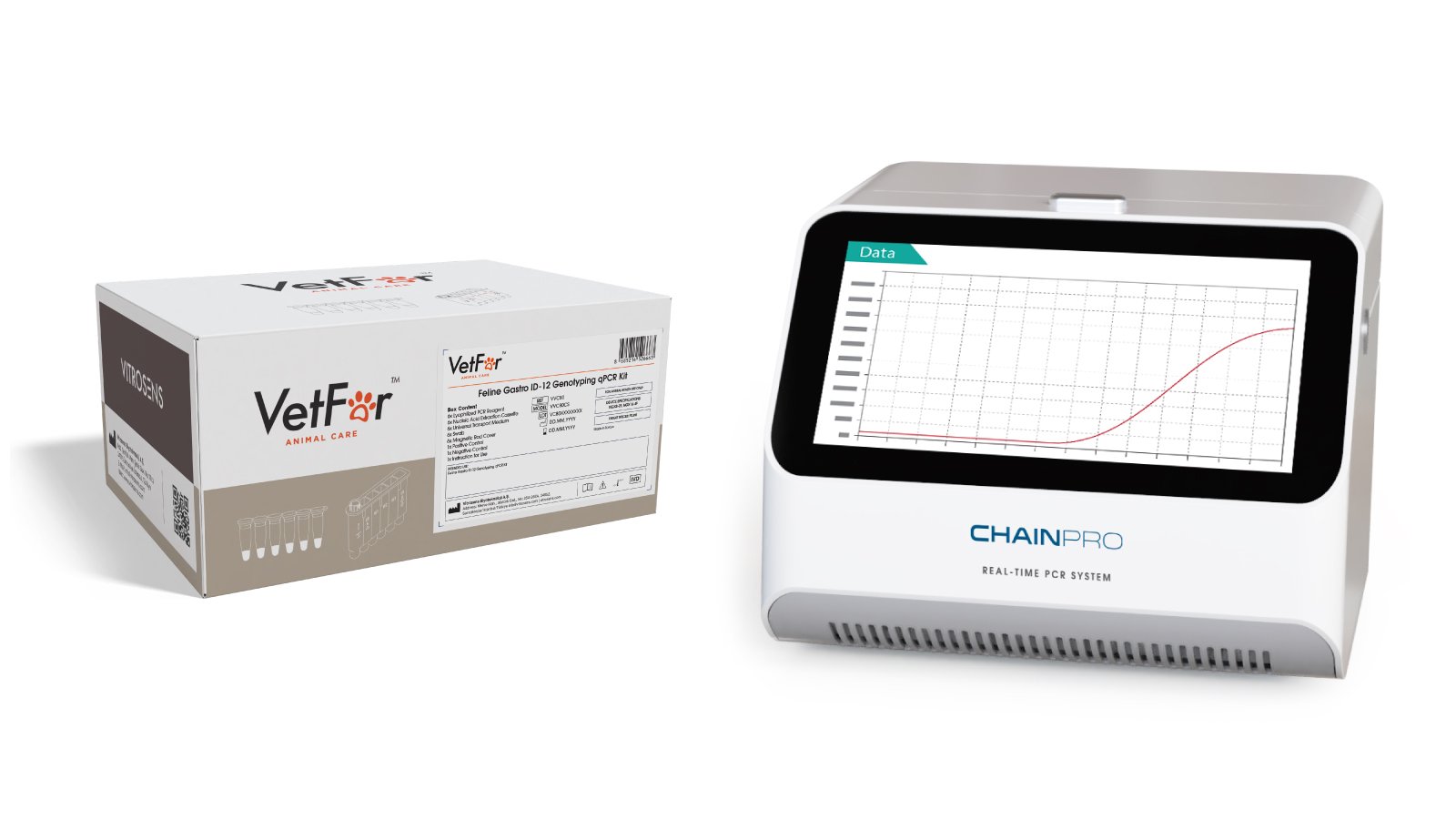
Multi-target molecular testing can therefore provide additional information from a fecal sample when infectious disease is being considered.
From Fecal Sample to Clinical Interpretation
A positive molecular result demonstrates detection of the selected genetic target but does not automatically establish that the detected organism is solely responsible for the animal’s clinical signs.
Likewise, negative results do not eliminate every possible infectious or non-infectious cause of gastrointestinal disease.
Veterinary interpretation should consider:
Clinical signs
Age
Vaccination history
Diet and environmental history
Other animals in the household
Physical examination
Additional laboratory findings where appropriate
For more information about the VetFor™ Feline Gastro ID-12 Genotyping qPCR Kit, contact us at contact@vitrosens.com or explore the VetFor™ Product Catalog to discover our full veterinary portfolio.
References
- Cornell University College of Veterinary Medicine. Feline Diagnostic Plans and Panels – Feline Diarrhea Diagnostic Plan.
- Cornell Feline Health Center. Diarrhea.
- Companion Animal Parasite Council (CAPC). Giardia Guidelines.
- European Advisory Board on Cat Diseases (ABCD). Feline Panleukopenia Guideline.