


Feline leukemia virus (FeLV) is a retrovirus of cats that can cause immune suppression, anemia, and lymphoma. Many cats have no obvious signs early, so routine testing and prevention are key in shelters, multi cat homes, and for cats with outdoor exposure.
What is FeLV and why does it matter?
After exposure, outcomes vary: some cats clear infection, some suppress it (regressive infection), and some develop progressive infection with ongoing viremia. Progressive infection is the pattern most linked to recurrent infections, bone marrow suppression, and FeLV associated cancers. Because status can change soon after exposure, follow up testing is sometimes needed.
How do cats get infected?
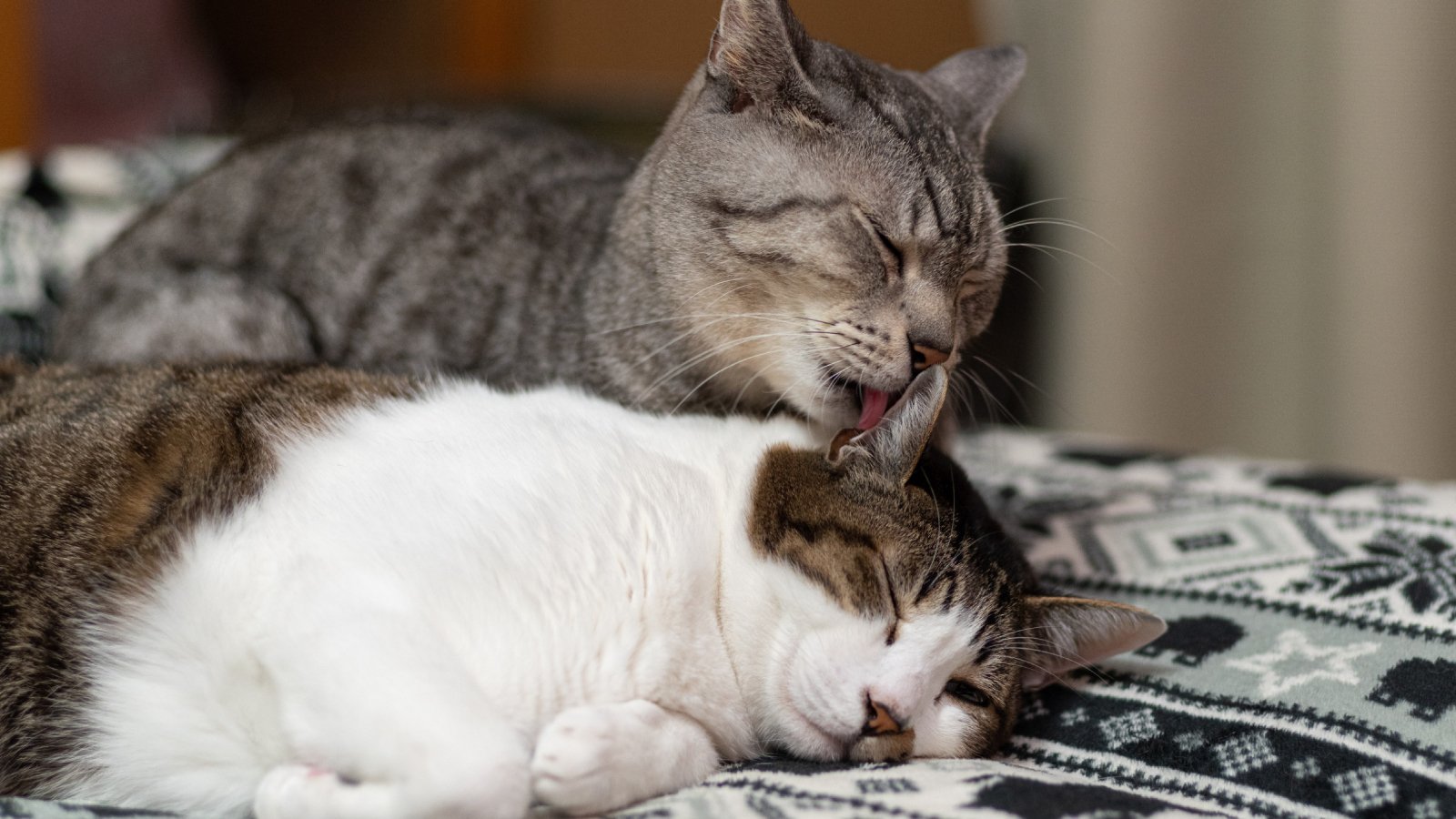
Transmission typically needs close contact with an infected cat, mainly via saliva (mutual grooming, shared bowls). Bite wounds and queen to kitten transmission can occur; kittens are more susceptible.
Clinical signs to watch for
Signs are often non specific: lethargy, weight loss, poor appetite, chronic oral inflammation, enlarged lymph nodes, diarrhea, or repeated infections. Pale gums may indicate anemia, but some cats remain outwardly normal for long periods.
How veterinarians diagnose FeLV
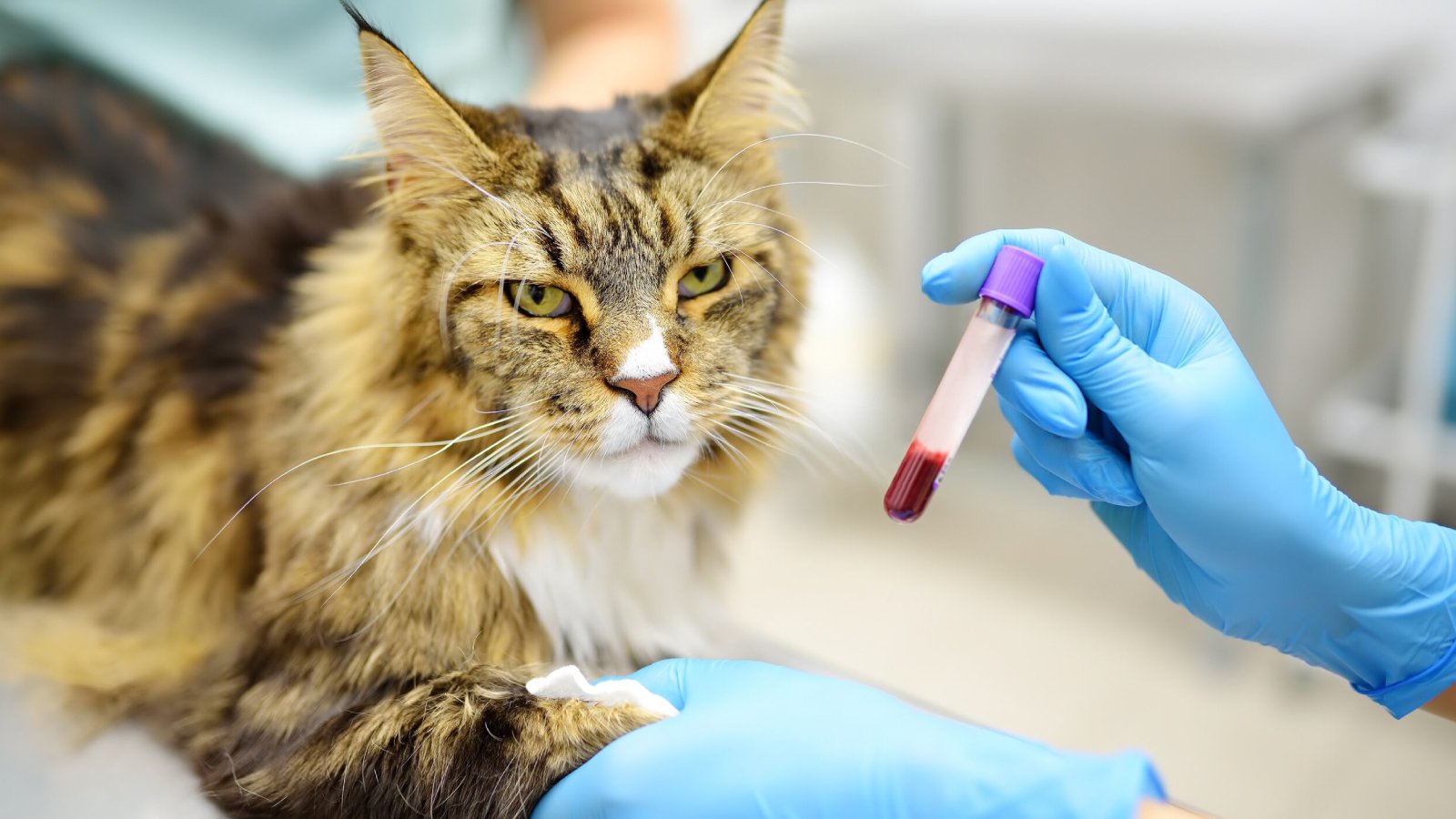
Most clinics start with a point of care blood antigen test (p27). If exposure was recent or results are discordant, veterinarians may repeat testing and/or use IFA or PCR to clarify status.
Treatment and supportive care
There is no therapy that reliably clears FeLV. Management focuses on rapid treatment of secondary infections, monitoring for anemia or neoplasia, and reducing exposure to pathogens (often by keeping infected cats indoors and separate from FeLV negative cats).
Prevention: the most effective approach
Test cats before adoption or household introduction, and minimize contact between infected and uninfected cats. Vaccination is generally recommended based on lifestyle and exposure risk, especially for kittens and cats with ongoing exposure risk.
How VetFor supports FeLV testing
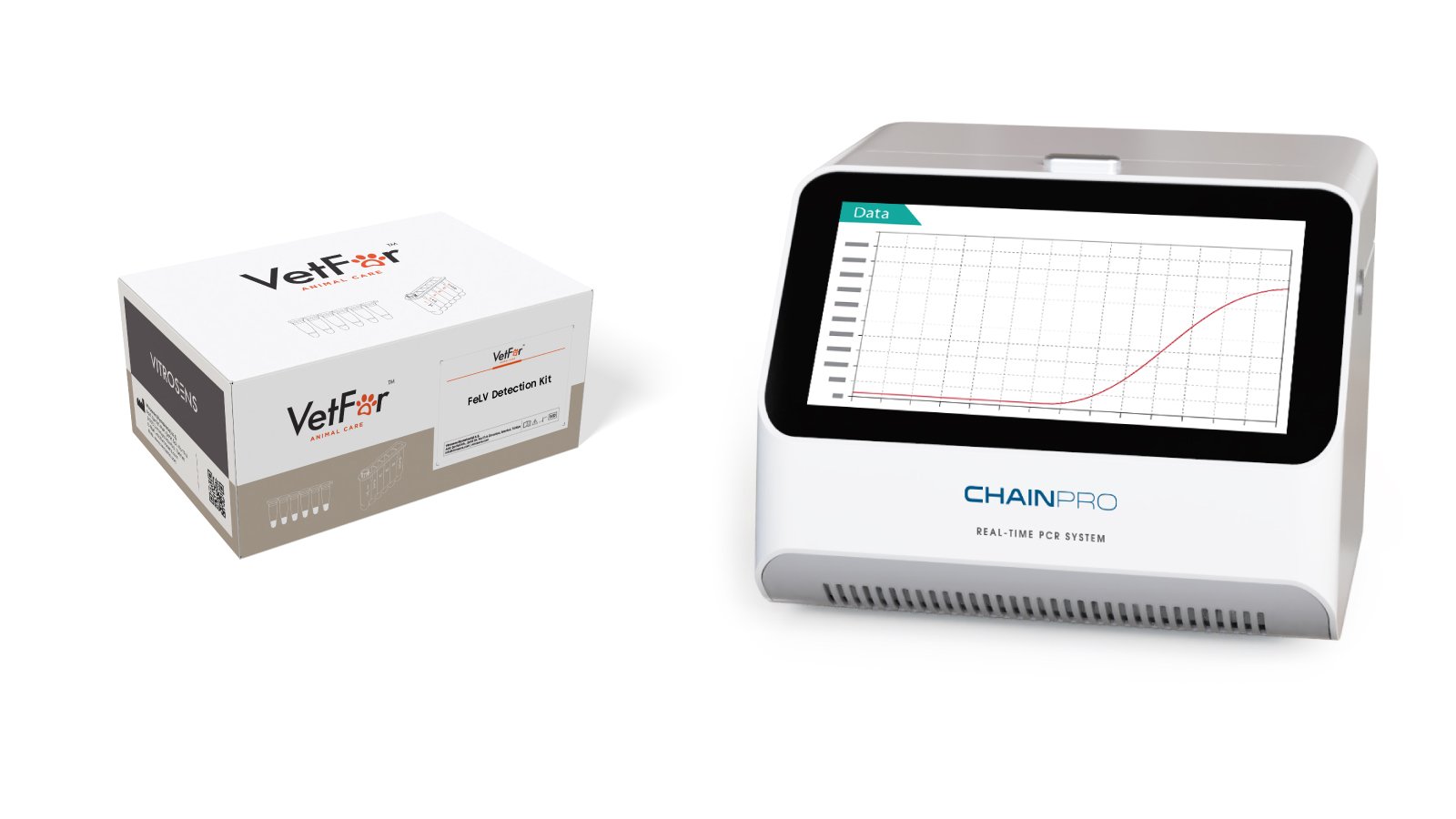
Vitrosens Biotechnology’s VetFor portfolio supports stepwise FeLV testing. For rapid screening, the FeLV Rapid Antigen Test Kit (lateral flow) (VVD15, 10 tests) provides results from serum, plasma, or whole blood. For analyzer assisted immunofluorescence, the FeLV Rapid Antigen Test Kit (FIA) (VVP34, 10 tests) supports standardized reading, and the VetFor FeLV Detection Kit (fluorescent RT-PCR) (VVC11, 8 tests) enables molecular detection from whole blood to complement antigen testing when confirmation or follow up is needed.
This article is for educational purposes and is not a substitute for veterinary diagnosis or treatment.
References
Merck Veterinary Manual. Feline leukemia virus disease.
Cornell Feline Health Center. Feline leukemia virus.
Little et al. 2020 AAFP feline retrovirus testing and management guidelines.
WSAVA Vaccination Guidelines Group. WSAVA vaccination guidelines (2024).