

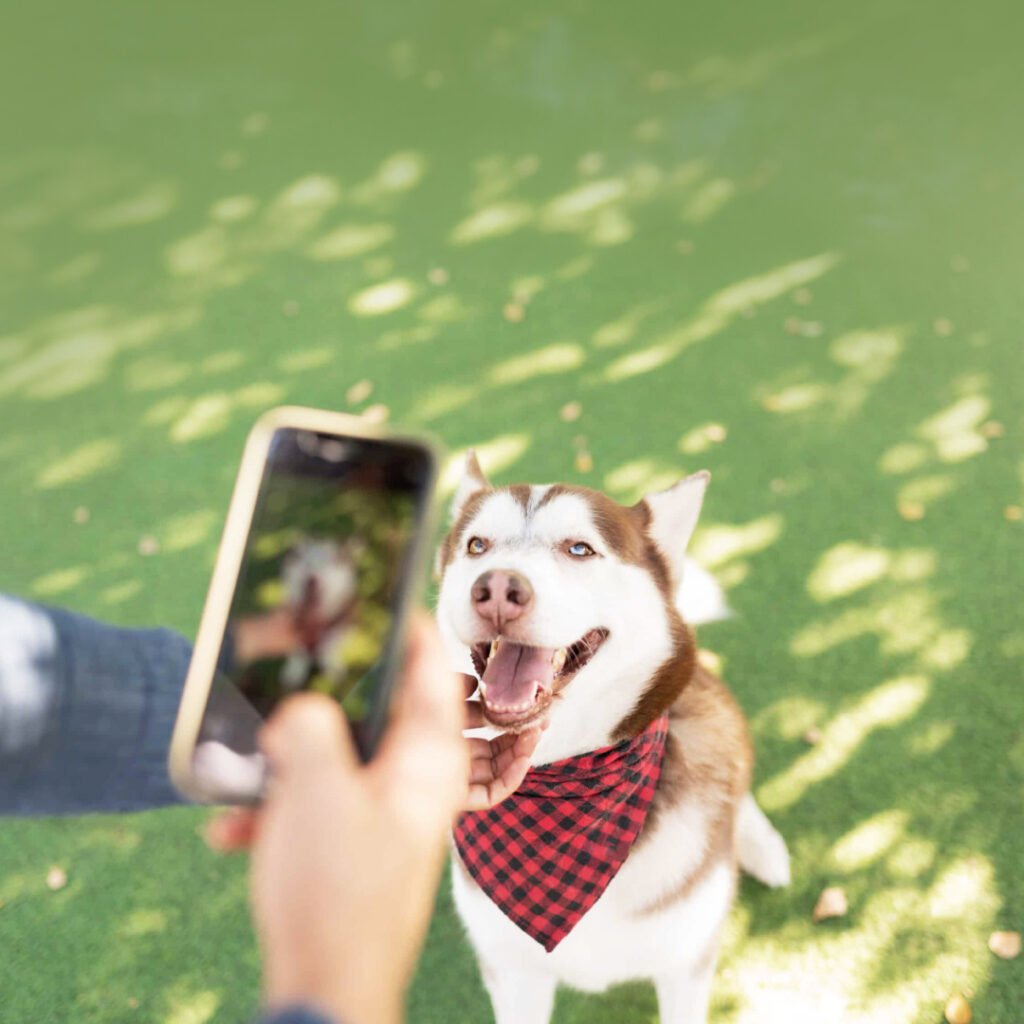
Open your phone gallery for a second. What do you see?
Let’s be honest: most of us probably have more photos of our pets than we do of ourselves. Sleeping, stretching, playing, making a mess, staring dramatically into the distance, or doing absolutely nothing… somehow, every moment feels photo-worthy.
And even when we have twenty nearly identical pictures, deleting one feels impossible.
That is exactly why July 26, National Dog Photography Day, is the perfect excuse to celebrate our four-legged friends and capture even more of their funniest, sweetest, and most unforgettable moments.
How to Take Better Photos of Your Dog
- You do not need a professional camera or a photography studio to capture a beautiful image. A phone camera, good lighting, and a little patience can be more than enough.
- Start by using natural light whenever possible. Try to avoid using flash, as it can create harsh shadows and may make your dog uncomfortable.
- Of course, patience is essential. Your dog may look away at the exact moment you press the button. They may walk off, become distracted, or suddenly decide that the camera is the most interesting object in the room.

A Healthy Dog Makes Every Photo Better
Of course, capturing the perfect photo is fun, but keeping your dog healthy is what matters most. Bright eyes, an energetic attitude, and a playful pose may make a wonderful photograph, yet changes in your dog’s appearance, behavior, or daily routine can sometimes indicate an underlying health problem.
- Canine Distemper Virus, or CDV, is a highly contagious virus that can affect several systems in a dog’s body. Early signs may include fever, lethargy, loss of appetite, coughing, and discharge from the eyes or nose. As the infection progresses, some dogs may experience vomiting, diarrhea, breathing problems, muscle twitching, poor coordination, or seizures.
Because canine distemper can affect the respiratory, digestive, and nervous systems, its signs may vary considerably from one dog to another. Puppies, unvaccinated dogs, and dogs with weakened immune systems may be particularly vulnerable to severe illness. - Canine Adenovirus, commonly abbreviated as CAV, is a viral pathogen that may be associated with respiratory disease or liver involvement in dogs. CAV infections may present with signs related to infectious canine hepatitis or respiratory illness.
Possible signs include fever, lethargy, loss of appetite, coughing, nasal or eye discharge, abdominal pain, vomiting, diarrhea, jaundice, and, in some cases, eye-related changes. Because these signs may also occur with other canine diseases, they should always be evaluated by a veterinarian. - Canine Influenza Virus, or CIV, causes a contagious respiratory illness commonly known as dog flu. It can spread between dogs through respiratory droplets produced when infected dogs cough or sneeze. Transmission may also occur through contact with contaminated objects and surfaces, including water bowls, toys, leashes, clothing, or hands.
Common signs of canine influenza include coughing, nasal discharge, eye discharge, fever, lethargy, and reduced appetite. Some dogs may show only mild symptoms, while others may develop more serious respiratory complications, including difficulty breathing or pneumonia. Some infected dogs may show no obvious signs of illness.
Important: These signs are not specific to a single infection and cannot confirm a diagnosis on their own. Dog owners should contact a veterinarian if symptoms persist, worsen, or occur together.
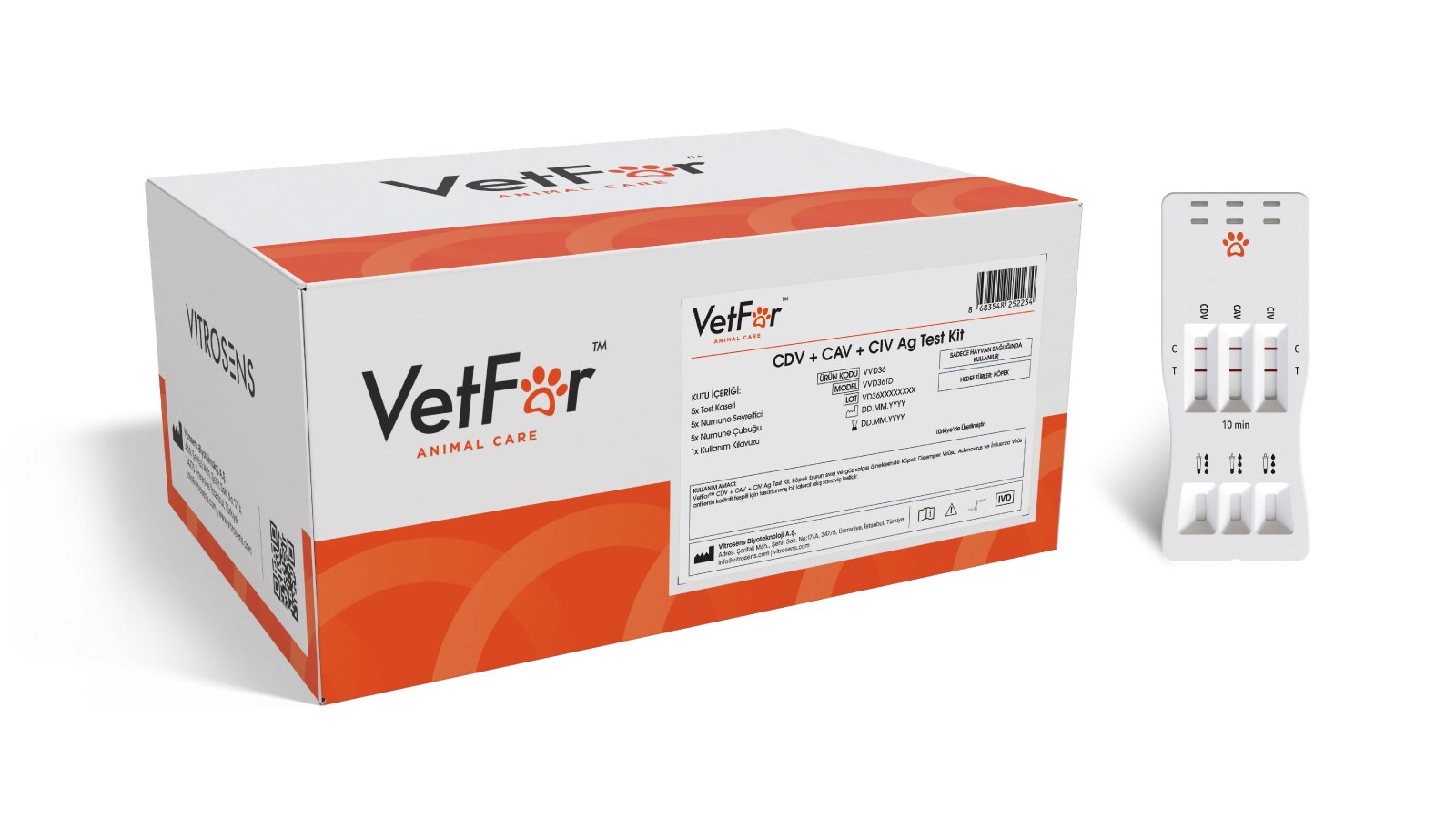
VetFor™ CDV + CAV + CIV Ag Test Kit
The VetFor™ CDV + CAV + CIV Ag Test Kit is a lateral flow sandwich test designed for the qualitative detection of Canine Distemper Virus, Canine Adenovirus, and Canine Influenza Virus antigens in canine nasal, saliva and eye secretion samples in 5 minutes. By testing for three canine pathogens in one kit, it provides veterinary professionals with a practical tool to support clinical evaluation. Test results should always be interpreted by a veterinary professional alongside the animal’s clinical signs and other relevant findings.
Photograph your dog while they are running through the park, relaxing on the sofa, playing with their favorite toy, or simply looking at you with that familiar expression you love.
However behind ever playful action shot, and happy tail-wagging photo is something even more valuable: a healthy and well-cared for companion.♥
Contact us to learn more about the VetFor™ veterinary diagnostic portfolio.
References
World Organisation for Animal Health (WOAH). Morbillivirus Infection in Canids and Felids. Information on canine distemper virus, susceptible animals, transmission, clinical presentation, and diagnostic approaches.
Cornell University College of Veterinary Medicine. Canine Distemper Virus. Information on the transmission, clinical signs, progression, and prevention of canine distemper
Centers for Disease Control and Prevention (CDC). About Dog Flu. Information on Canine Influenza Virus, transmission, common clinical signs, and potential respiratory complications.