

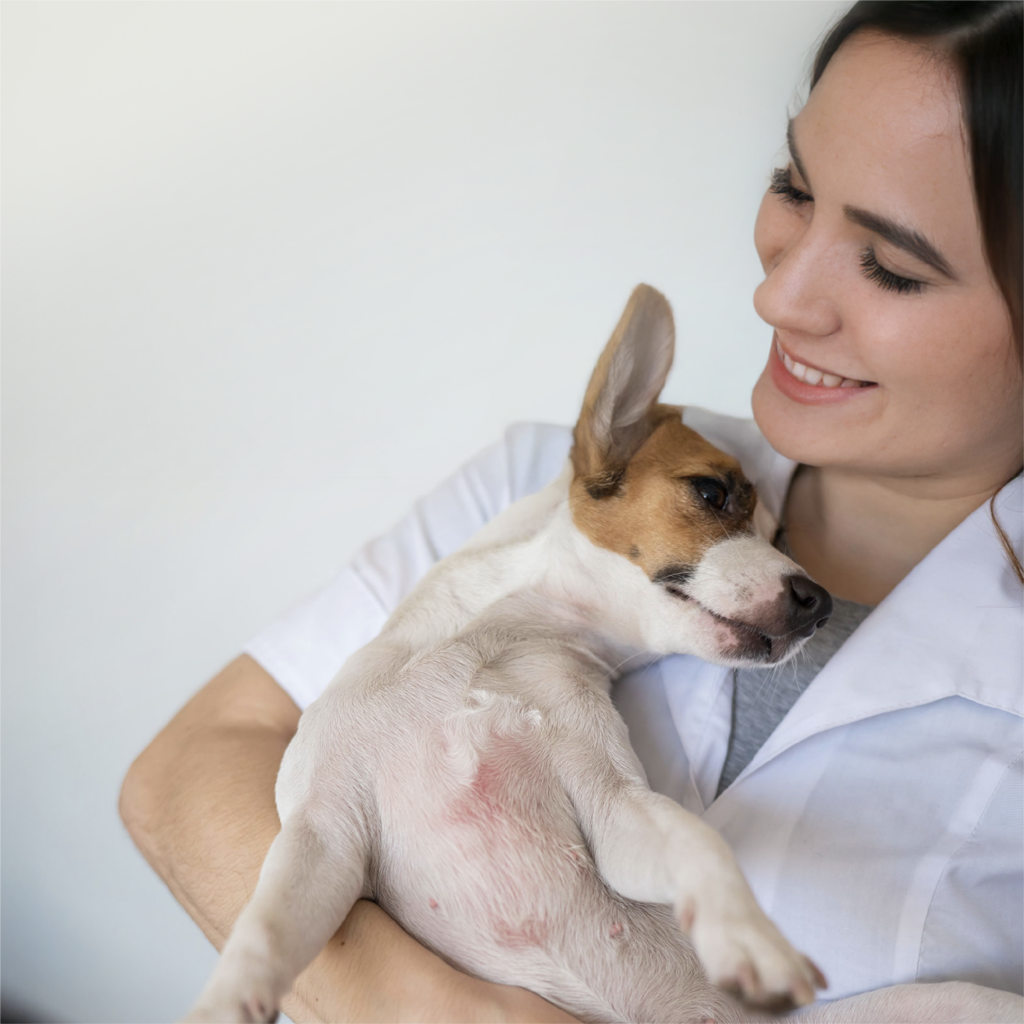
Why Are Skin Problems So Common in Cats and Dogs?
Itching, hair loss, redness, scaling, crusting, and skin lesions are among the signs that frequently bring cats and dogs to veterinary clinics. However, similar-looking skin problems can have very different causes, ranging from allergies and parasites to bacterial and fungal infections.
This overlap can make visual examination alone insufficient for determining which microorganism may be involved. Therefore, laboratory investigation can become an important part of the dermatological work-up.
Cornell University notes that Staphylococcus bacteria are an important cause of skin infections, while Malassezia yeast may overgrow when underlying conditions affect the normal skin environment. Dermatophytes, commonly associated with ringworm, are another important group of organisms affecting the skin and hair of companion animals.
Fungi, Yeasts and Bacteria Can All Be Involved
Skin infections may involve different types of microorganisms rather than a single cause.
Dermatophytes such as Microsporum canis, Microsporum gypseum, and Trichophyton spp. can infect the skin and hair of cats and dogs. M. canis is particularly important in cats and dogs and can also have zoonotic relevance.
Malassezia yeasts normally occur on animal skin, but excessive proliferation may be associated with dermatitis, especially when other skin disorders are present. Bacterial organisms such as Staphylococcus spp. can also contribute to cutaneous and wound-associated infections.
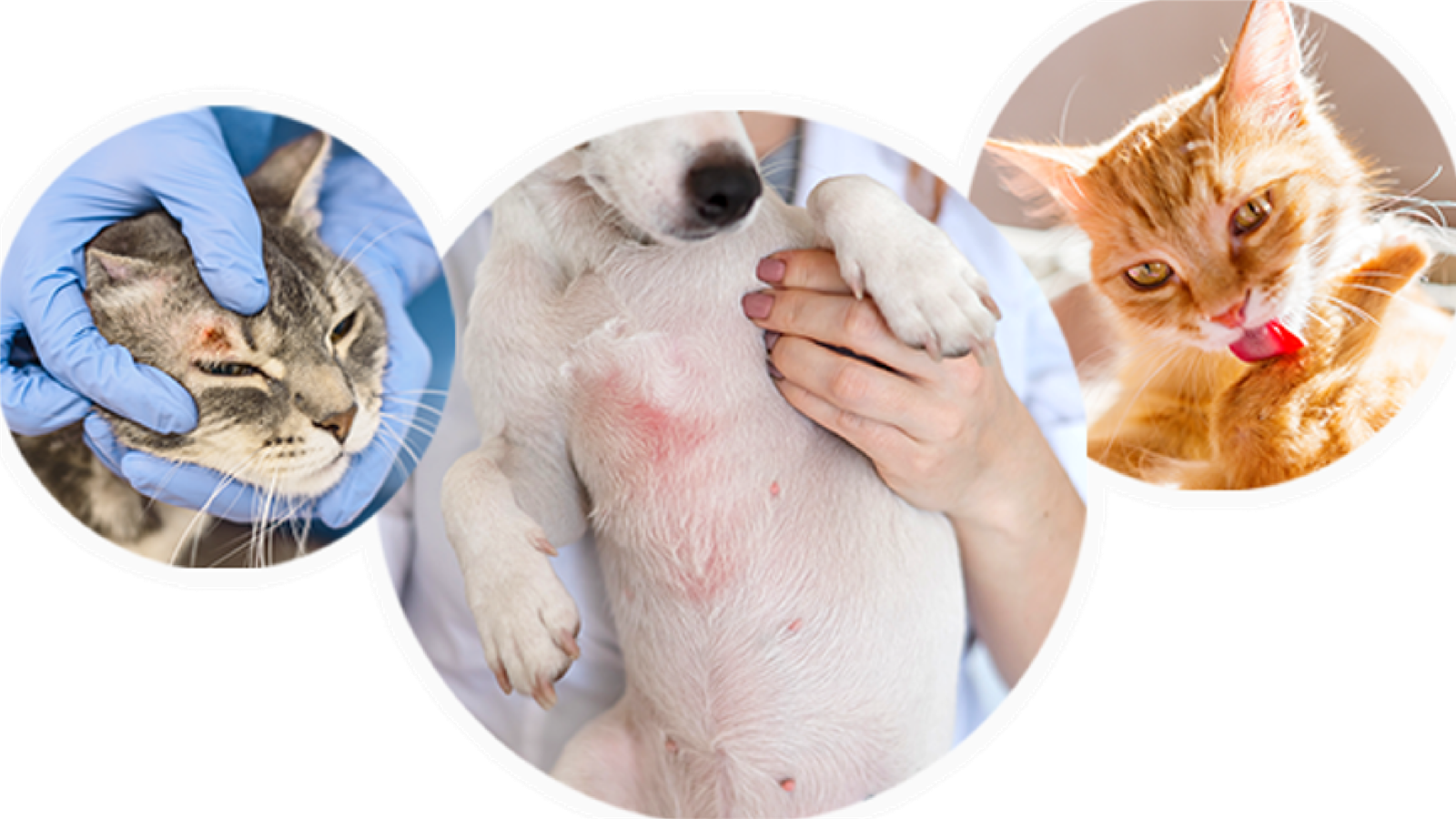
Important: Redness, itching, alopecia, scaling, or wounds are not specific to one pathogen. Veterinary examination and appropriate diagnostic testing are necessary to investigate the underlying cause.
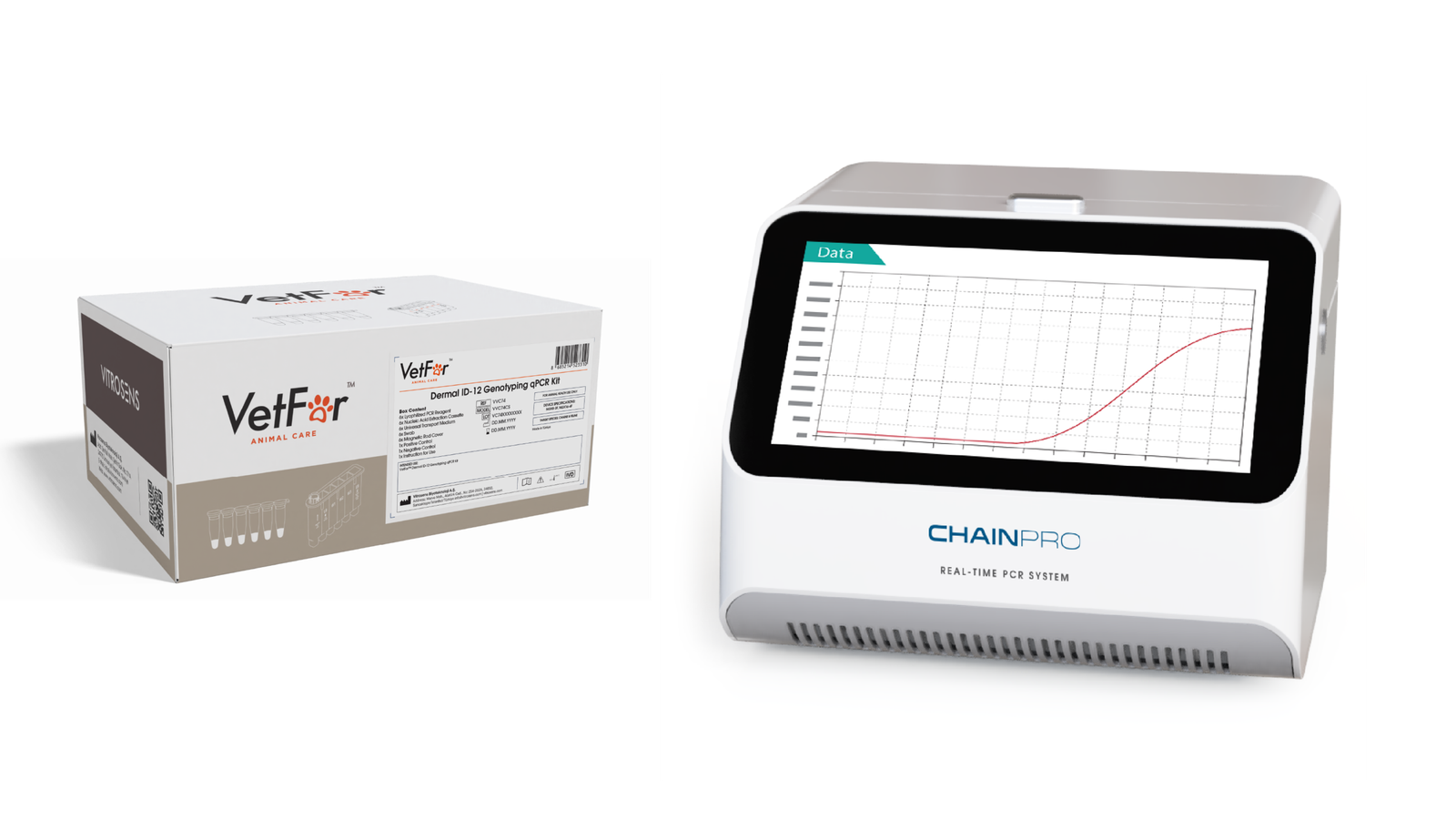
VetFor™ Dermal ID-12 Genotyping qPCR Kit
The VetFor™ Dermal ID-12 Genotyping qPCR Kit is designed for the qualitative molecular detection of selected feline and canine dermal pathogens from lesion swab, wound swab, and wound fluid samples.
The panel covers 12 dermal targets:
• Candida albicans
• Candida tropicalis
• Candida parapsilosis
• Candida spp.
• Malassezia spp.
• Malassezia pachydermatitis
• Microsporum gypseum
• Microsporum canis
• Microsporum spp.
• Trichophyton spp.
• Staphylococcus spp.
• Aspergillus fumigatus
Using real-time PCR technology, selected pathogen genetic targets can be evaluated within a molecular testing workflow.
Why Molecular Detection?
Traditional dermatological investigation may involve cytology, microscopy, culture, Wood’s lamp examination, or other laboratory methods depending on the suspected condition.
Additionally, molecular testing provides another approach by detecting selected pathogen nucleic acids. However, detecting pathogen DNA or RNA does not always mean that it is the direct cause of disease.
For more information about the VetFor™ Dermal ID-12 Genotyping qPCR Kit and our veterinary diagnostic solutions, contact us at contact@vitrosens.com or explore the VetFor™ Product Catalog to discover our full veterinary portfolio.
References
- Cornell University College of Veterinary Medicine. Dermatology – Medical Conditions.
- European Scientific Counsel Companion Animal Parasites (ESCCAP). Guideline 02: Superficial Mycoses in Dogs and Cats.