

Pregnancy in dogs and cats is not always obvious during its early stages. Changes in appetite, behavior, body weight, or abdominal size may develop as pregnancy progresses, but these observations alone cannot reliably confirm pregnancy.
Relaxin is a hormone produced primarily by placental tissue during pregnancy. In dogs and cats, it is considered a pregnancy-specific hormone, making its detection in blood a useful laboratory parameter when pregnancy is suspected.
When Can Relaxin Be Detected?
Relaxin generally becomes detectable in blood approximately 20–25 days after fertilization, although the timing may vary between animals and according to the testing method. In cats, studies have demonstrated that relaxin-based testing can detect some pregnancies from around day 20, with improved detection later in gestation.
An early negative result does not always exclude pregnancy. In dogs, false-negative results have been reported in some animals with very small litters or nonviable fetuses. When pregnancy is still suspected, veterinarians may recommend repeat testing or another reproductive examination method.

Why Is Relaxin Useful in Dogs?
Dogs can develop pseudopregnancy, which may cause physical and behavioral changes resembling pregnancy. Relaxin is not normally detected in pseudopregnant bitches, making the hormone particularly useful as part of pregnancy evaluation.
Important: A relaxin result should be interpreted by a veterinary professional together with breeding history, timing, clinical findings, and other reproductive examinations when necessary.
What About Pregnancy in Cats?
Pregnancy in cats can also be difficult to confirm based on physical changes alone, especially during the early stages. Queens may show subtle changes such as increased appetite, weight gain, behavioral changes, or enlargement of the mammary glands, but these signs are not specific enough to confirm pregnancy.
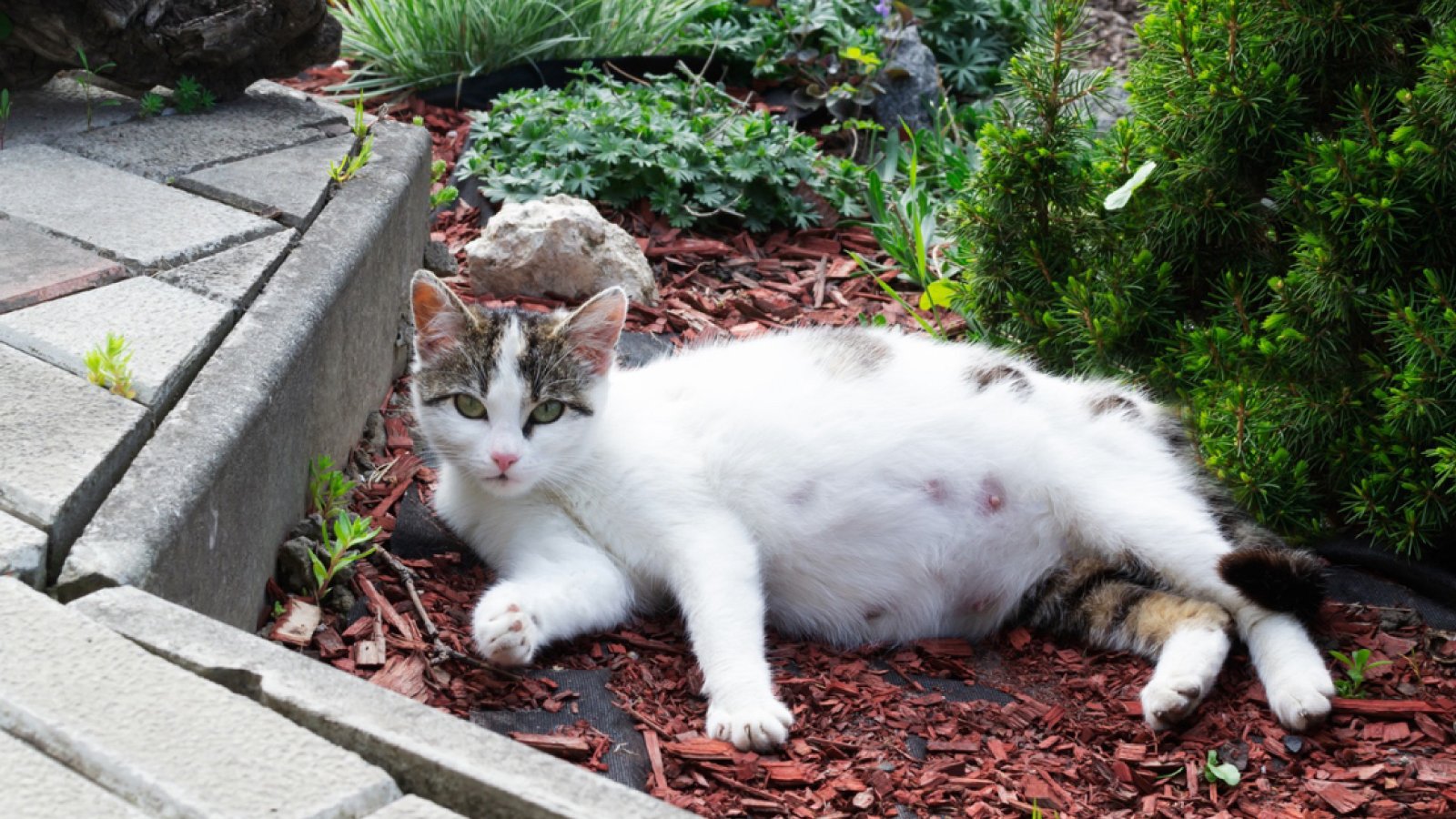
Relaxin can be detected in feline blood during pregnancy and may therefore serve as a useful laboratory marker when interpreted together with mating history and clinical examination.
As with dogs, testing too early may lead to a negative result even when pregnancy is present, so timing is important. When needed, veterinarians may combine relaxin testing with ultrasonography to obtain a more complete assessment of pregnancy status and fetal development.
VetFor™ Relaxin Test Kit
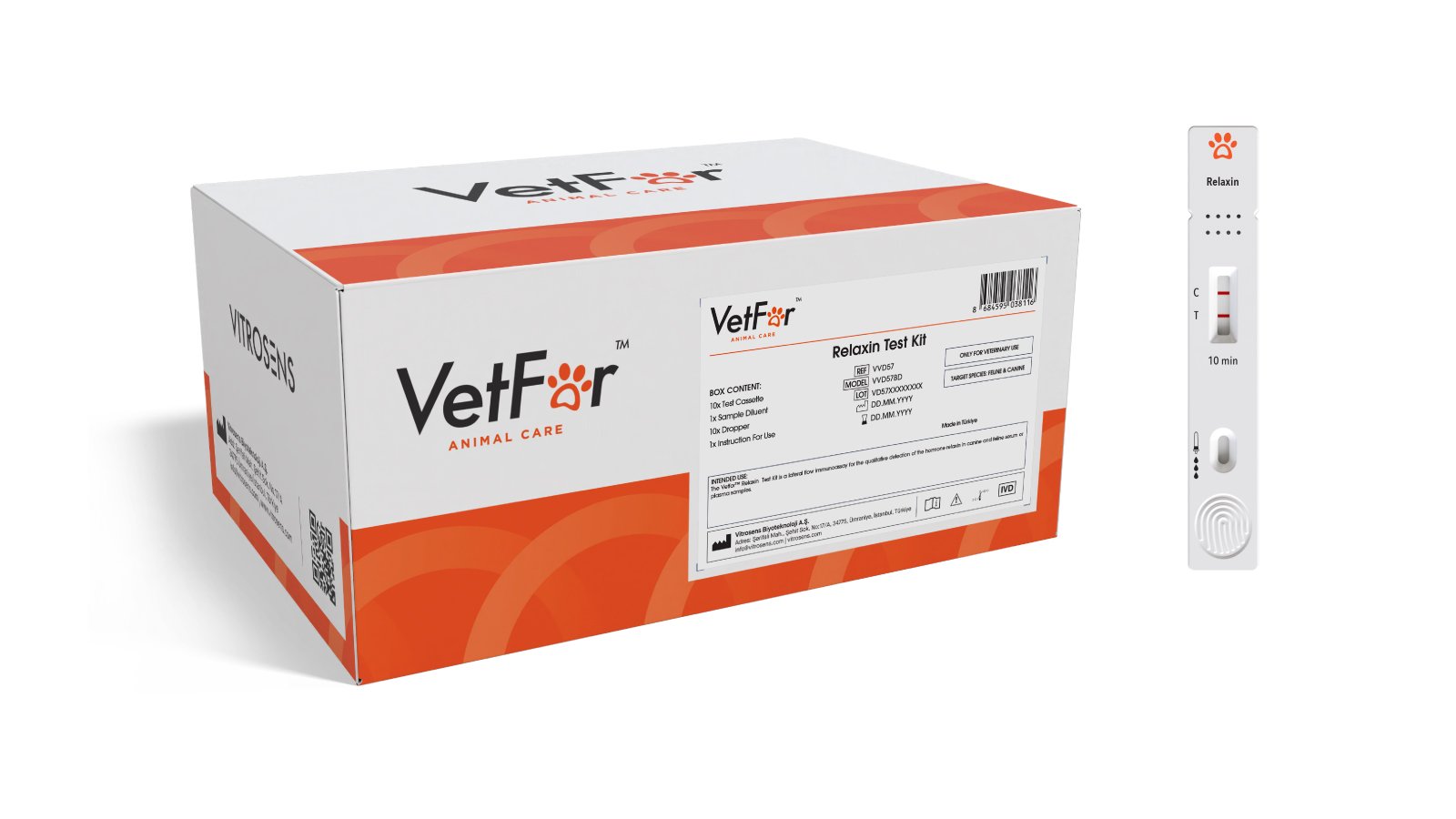
The VetFor™ Relaxin Test Kit is a lateral flow immunoassay designed for the qualitative detection of relaxin hormone in canine and feline serum or plasma samples.
The test requires only 2 drops of sample and provides results in approximately 10 minutes, giving veterinary professionals a qualitative relaxin result for use as part of pregnancy evaluation.
The result should not be used independently to assess fetal viability, litter size, or the overall condition of the pregnancy. Ultrasonography and other veterinary examinations may provide additional information when required.
Confirming pregnancy is only one part of reproductive care. Follow-up examinations can help veterinarians assess pregnancy progression, fetal development, and preparations for whelping or queening. In dogs, ultrasonography can generally identify pregnancy and assess fetal viability during early-to-mid gestation, while later radiography may be useful for estimating litter size.
For more information about the VetFor™ Relaxin Test Kit and our veterinary diagnostic solutions, contact us at contact@vitrosens.com or explore the VetFor™ Product Catalog to discover our full veterinary portfolio.
References
- DiGangi B.A. et al. Use of a commercially available relaxin test for detection of pregnancy in cats. Journal of the American Veterinary Medical Association. 2010.
- Buff S. et al. Circulating relaxin concentrations in pregnant and nonpregnant bitches: evaluation of a new enzyme immunoassay for determination of pregnancy. Reproduction in Domestic Animals. 2001.