


Respiratory infections in horses can spread quickly within stables, training centers, breeding farms and equine hospitals. Among these pathogens, Streptococcus equi is especially important because it is associated with strangles, a highly contagious disease that can affect horse health, movement, management and biosecurity decisions. Therefore, reliable molecular testing helps veterinarians identify suspected infections more confidently and support timely control measures.
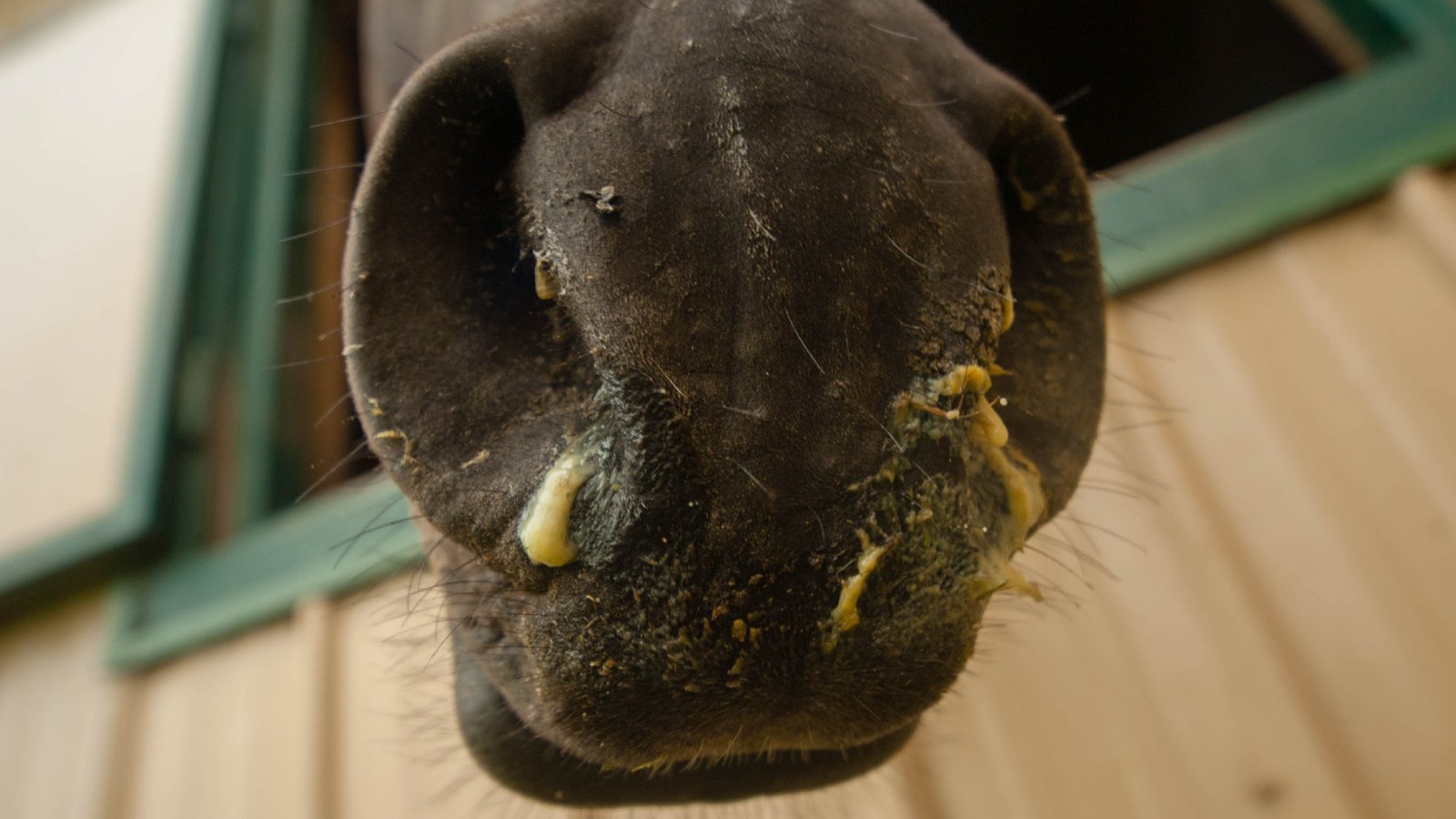
What is Streptococcus equi?
Streptococcus equi is a bacterial pathogen mainly associated with strangles in horses. The disease commonly affects the upper respiratory tract and may cause fever, nasal discharge, swollen lymph nodes and abscess formation around the head and neck region.
Furthermore, because infected horses may contribute to transmission within shared environments, early recognition is important for stable management, quarantine decisions and follow-up testing. In some cases, horses may also carry the bacterium without obvious clinical signs, making laboratory testing an important part of disease control.

Why is Streptococcus equi important in horses?
Strangles can create serious challenges for equine facilities. Even a suspected case may require isolation, movement restrictions, environmental precautions and careful monitoring of exposed horses. This can affect training schedules, competitions, breeding programs and daily stable operations.
However, clinical signs may support suspicion, but they are not always enough to confirm infection. Similar respiratory signs can be seen with other equine pathogens, so diagnostic testing helps veterinarians distinguish suspected Streptococcus equi infections from other causes of respiratory disease.
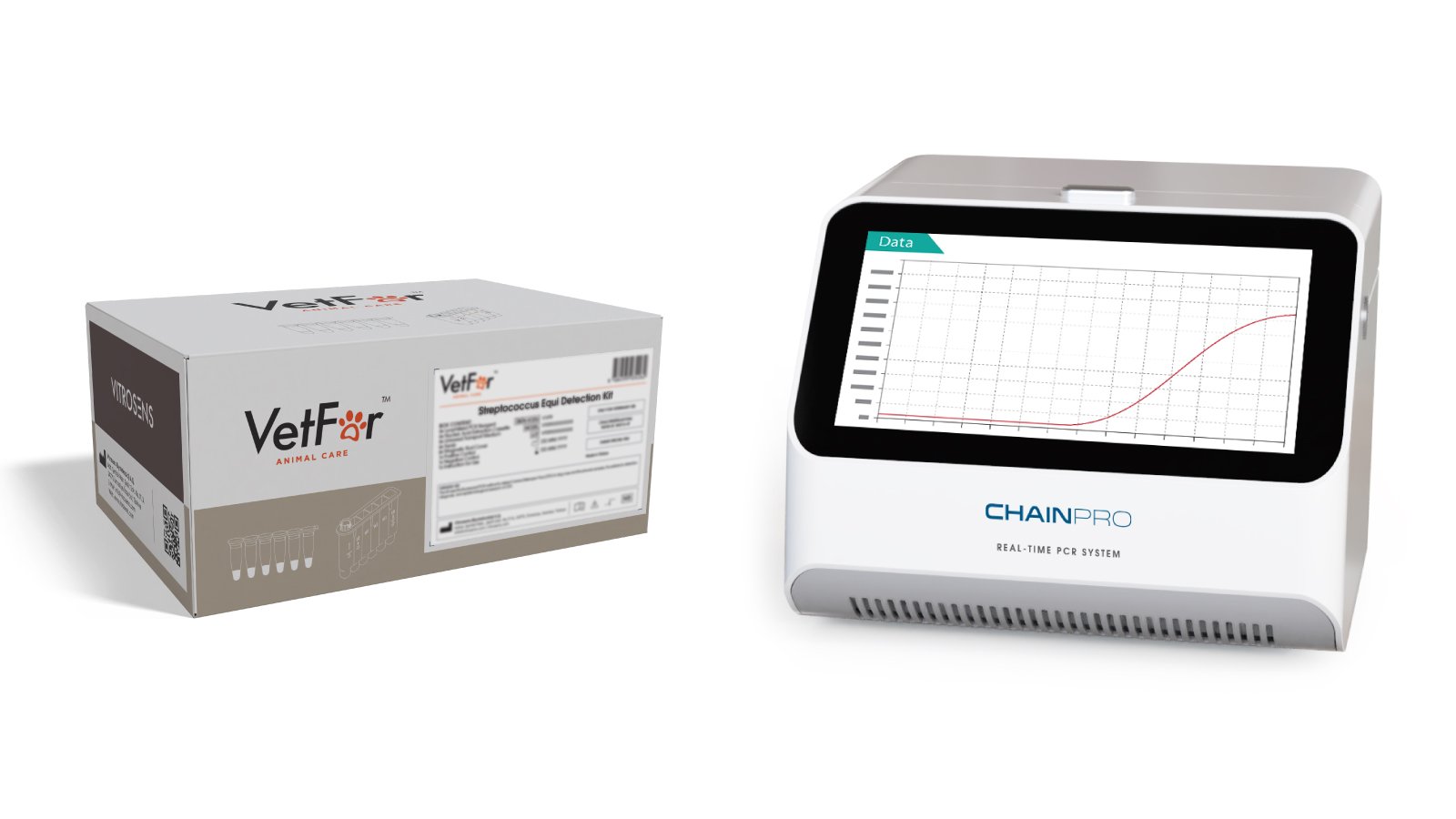
VetFor™ Streptococcus equi Detection Kit
VetFor™ Streptococcus equi Detection Kit is designed for PCR-based molecular detection of Streptococcus equi in equine diagnostic workflows. By targeting pathogen genetic material, PCR testing supports sensitive and specific detection, especially when rapid laboratory confirmation is needed or bacterial levels may be low.
In addition, the kit provides veterinary laboratories and equine health professionals with a reliable testing option for suspected strangles cases, outbreak investigations, follow-up testing and biosecurity management. With high analytical sensitivity and specific target detection, VetFor™ helps support earlier identification, more confident result interpretation and better-informed veterinary decisions in equine respiratory disease control.
Contact us to learn more about the VetFor™ veterinary diagnostic portfolio.
References
- American Association of Equine Practitioners (AAEP). Infectious Disease Guidelines: Strangles. Revised 2020.
- Cornell University College of Veterinary Medicine, Animal Health Diagnostic Center. Streptococcus equi / Strangles Culture and PCR Testing.
- Boyle AG, Timoney JF, Newton JR, Hines MT, et al. Streptococcus equi Infections in Horses: Guidelines for Treatment, Control, and Prevention of Strangles. Journal of Veterinary Internal Medicine. 2018.
- Cordoni G, Williams A, Durham A, Florio D, La Ragione RM. Rapid diagnosis of strangles (Streptococcus equi subspecies equi) using PCR. Research in Veterinary Science. 2015;102:162-166.