

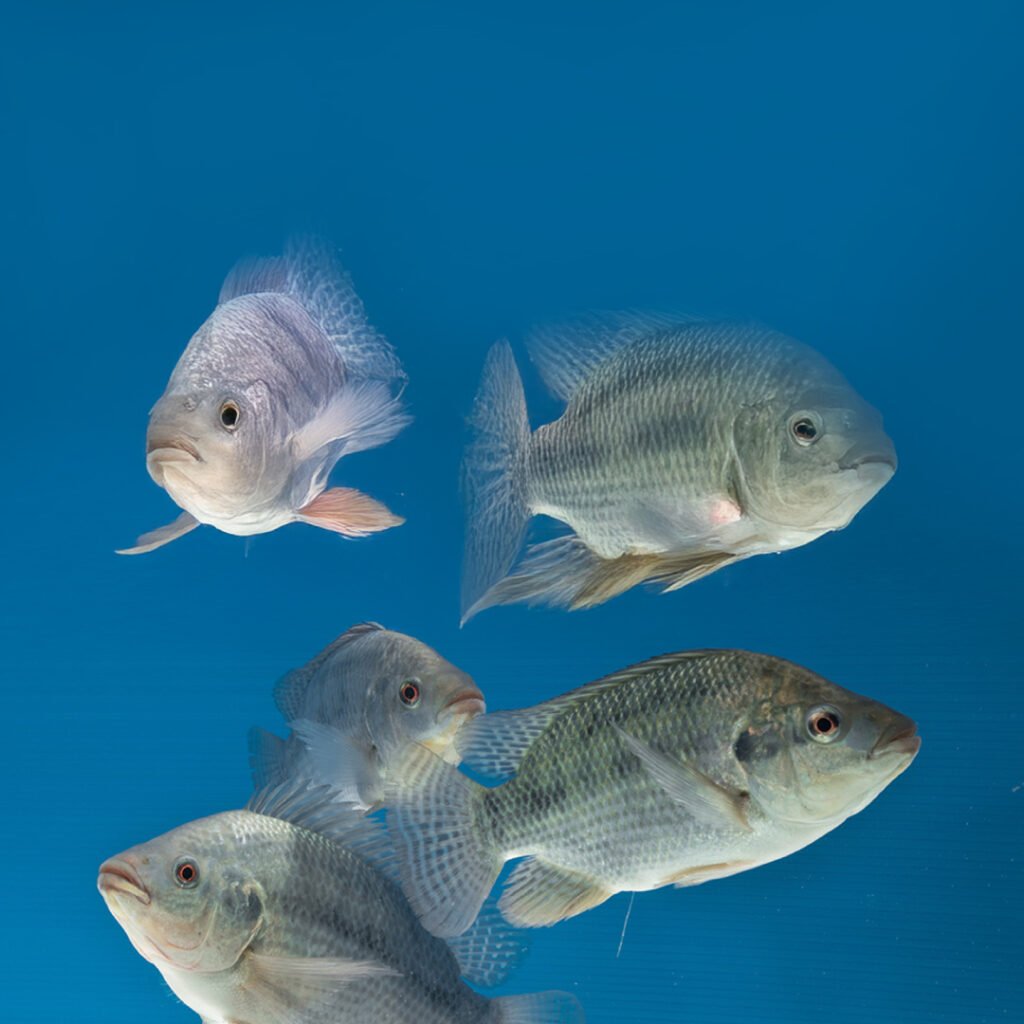
Aquaculture continues to play an increasingly important role in global food production, livelihoods, and economic development. At the same time, expanding production systems face evolving disease threats, environmental pressures, and new biosecurity challenges.
In August 2026, the World Organisation for Animal Health (WOAH) highlighted several priorities for strengthening aquatic animal health worldwide. Among them were improving the understanding and control of high-impact and emerging diseases, developing practical diagnostic tools, strengthening biosecurity, and expanding international research collaboration. Together with previous work focused on finfish health, these priorities contribute to a broader global agenda for healthier and more sustainable aquaculture.
What Is Tilapia Lake Virus?
Tilapia Lake Virus, commonly abbreviated as TiLV, is an infectious viral pathogen affecting susceptible tilapia species. The virus was initially associated with significant disease events and mass mortality in farmed and wild tilapia populations.
WOAH currently includes infection with Tilapia Lake Virus among its listed aquatic animal diseases, reflecting its relevance to aquatic animal health and international disease surveillance.
Tilapia is widely farmed, particularly across tropical and subtropical regions, and provides an important source of food and income in many countries. Disease outbreaks affecting tilapia can therefore have consequences extending beyond individual farms to production stability, trade, and local food systems.
WOAH’s assessment of TiLV concluded that the disease meets its criteria for listing, including its potential for significant production losses, morbidity, and mortality in cultured aquatic animals.
What Signs May Be Associated With TiLV?
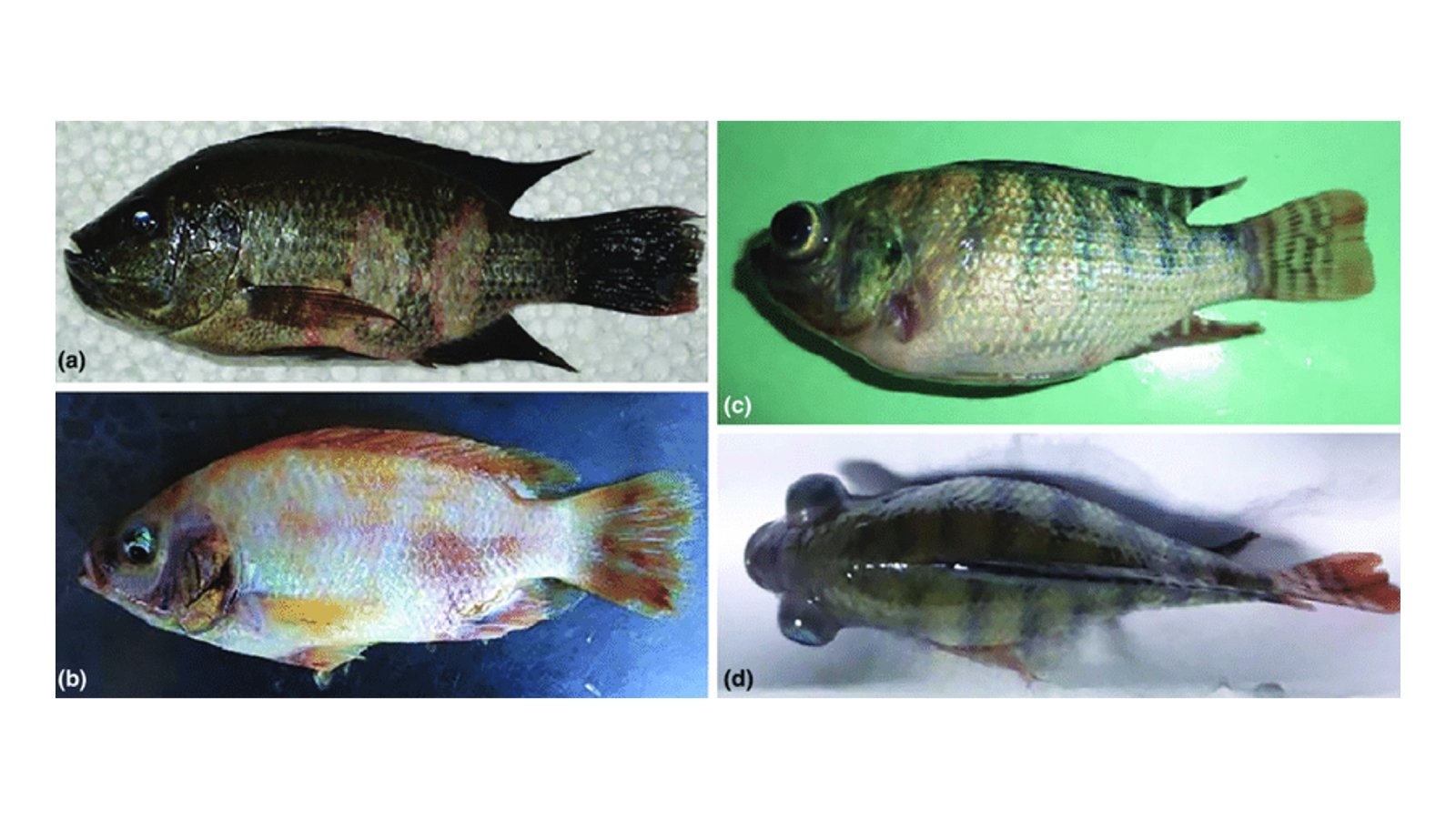
The clinical presentation of TiLV infection may vary according to factors such as the affected fish population, disease stage, environmental conditions, and concurrent health challenges.
Reported disease events have been associated with signs such as:
• Reduced appetite
• Lethargy
• Abnormal swimming behavior
• Skin lesions or discoloration
• Eye abnormalities
• Abdominal changes
• Increased mortality within affected populations
However, visible signs alone are not sufficient to confirm TiLV infection. Several aquatic diseases can produce overlapping clinical or production-level abnormalities, making laboratory investigation important when an infectious cause is suspected.
Important: Clinical observations and mortality patterns should be evaluated together with epidemiological information and appropriate laboratory testing by aquatic animal health professionals.
Why Do Diagnostics Matter in Aquaculture?
Aquatic production presents unique disease-control challenges. Fish are raised in shared water environments, populations can be large, and disease may spread before clear clinical changes are recognized across the entire stock.
WOAH’s 2026 global consultation specifically identified the development of affordable and field-adapted diagnostic tools as one of the recurring research priorities across aquatic animal health. Experts also emphasized stronger biosecurity and a better understanding of disease emergence and spread.
For TiLV, molecular methods are especially relevant because the pathogen is an RNA virus. FAO identifies RT-PCR and RT-qPCR, alongside histopathology and in-situ hybridization, among methods used for identifying TiLV.
Molecular Detection and Disease Surveillance
PCR-based molecular testing works by detecting pathogen-specific genetic material in an appropriate clinical sample.
Within an aquaculture health program, molecular findings may contribute to:
- Investigation of suspected disease events
- Surveillance of susceptible fish populations
- Evaluation of unexplained mortality
- Biosecurity decision-making
- Monitoring of disease occurrence between production sites
A positive molecular result indicates that the targeted genetic material has been detected in the tested specimen. It should still be interpreted alongside clinical observations, epidemiological information, sampling conditions, and other relevant laboratory findings.
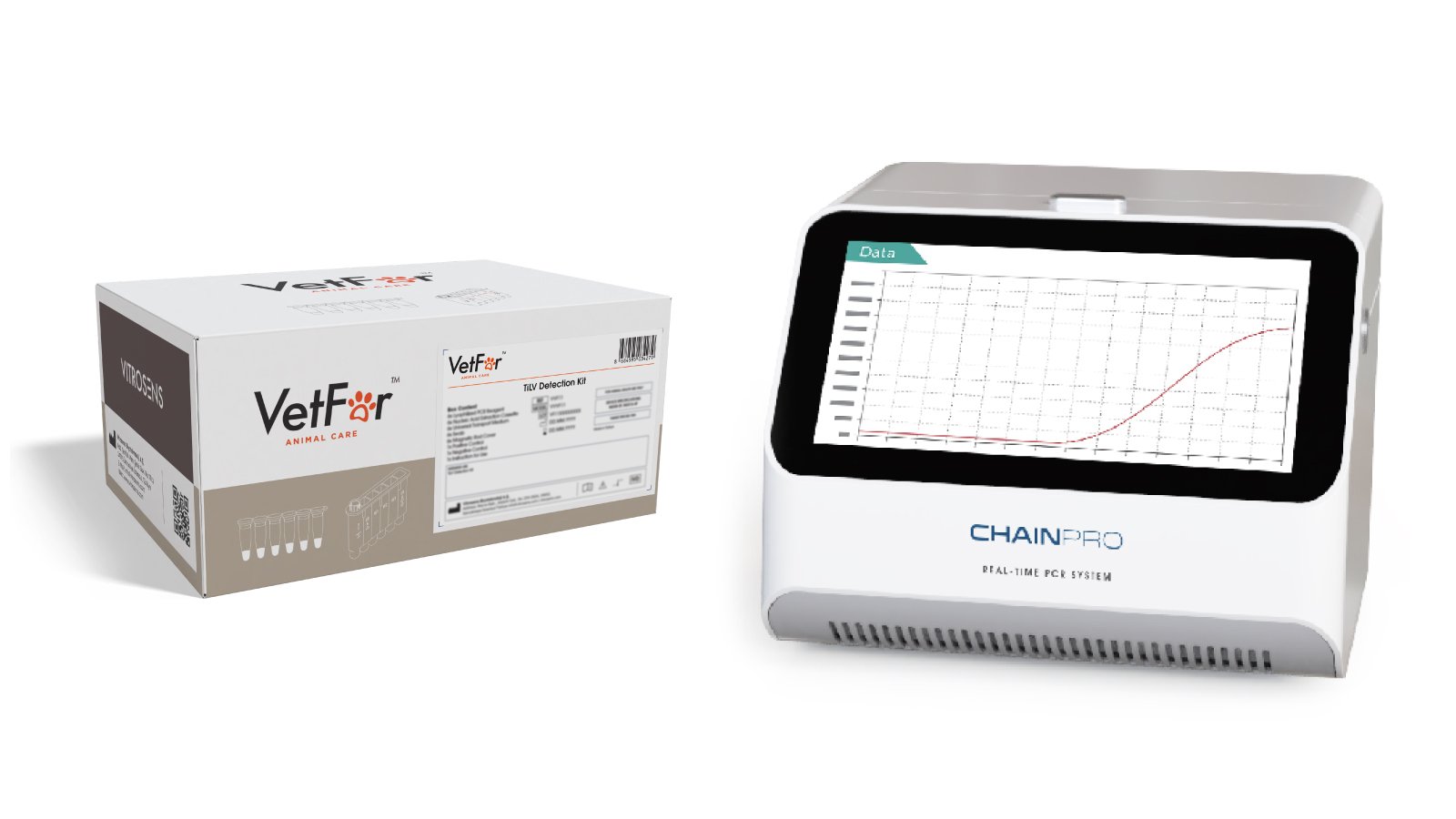
VetFor™ TiLV Detection Kit
The VetFor™ TiLV Detection Kit is part of the VetFor PCR portfolio and is designed for molecular investigation of TiLV in fish tissue samples.
The growing importance of aquaculture makes effective aquatic animal health management increasingly important. TiLV demonstrates how an infectious disease can create biological and economic challenges for fish production systems.
Strengthening surveillance, making appropriate diagnostics available, and applying effective biosecurity measures can help producers and aquatic animal health professionals respond more effectively to disease threats.
Conclusion
As WOAH’s recent global consultation emphasizes, future progress in aquaculture health will depend on practical solutions, coordinated research, and stronger disease prevention and control strategies across different production environments.
For more information about the VetFor™ TiLV Detection Kit and our fish molecular diagnostic portfolio, contact us at contact@vitrosens.com or explore the VetFor™ Product Catalog to discover our full veterinary portfolio.
References
- World Organisation for Animal Health (WOAH). Global Consultation Highlights Priorities for Aquatic Animal Health. Published 19 August 2026.
- World Organisation for Animal Health (WOAH). Infection with Tilapia Lake Virus (TiLV). WOAH Listed Disease and Technical Disease Card.
- Jansen, M. D., Dong, H. T., & Mohan, C. V. (2018). Tilapia lake virus: a threat to the global tilapia industry? Reviews in Aquaculture. Figure 2 presents representative clinical signs of TiLV infection in Nile and red tilapia.