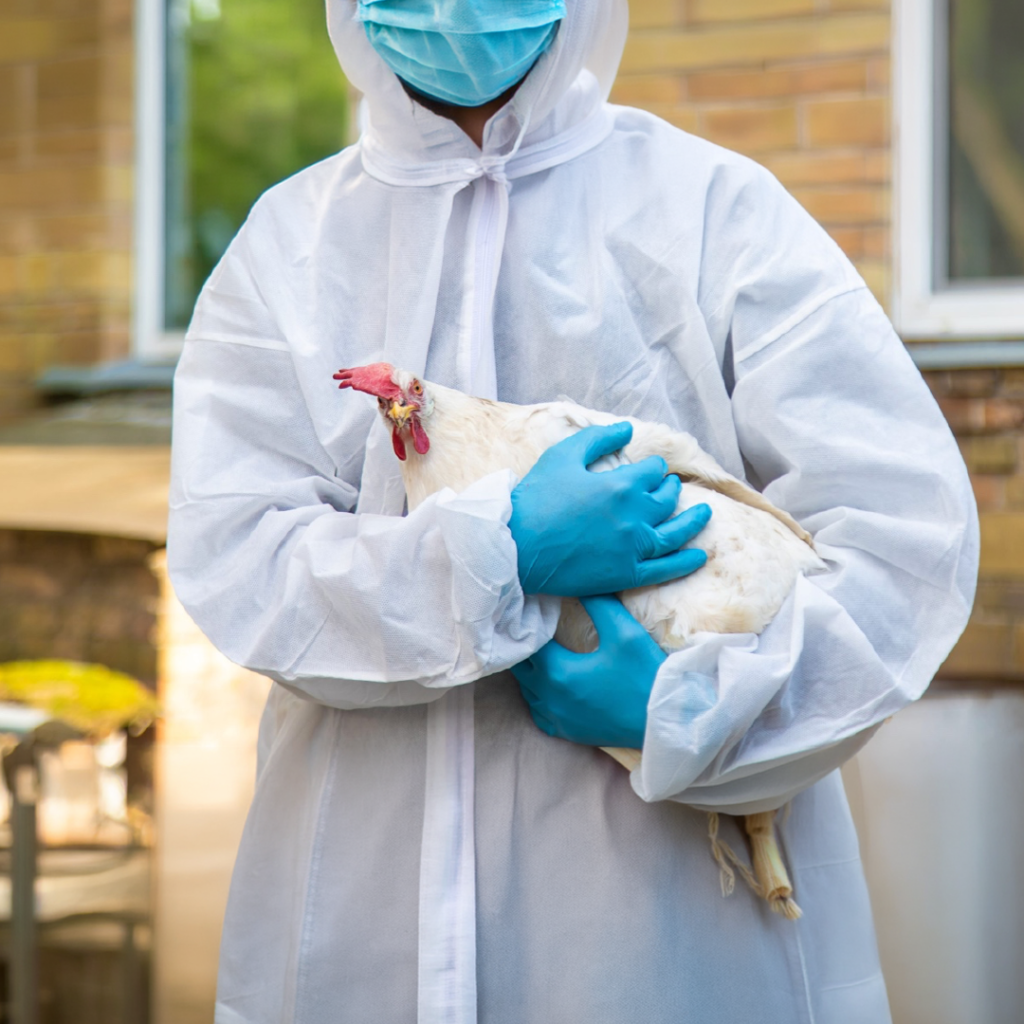
Avian Influenza in 2026: Surveillance and Early Detection

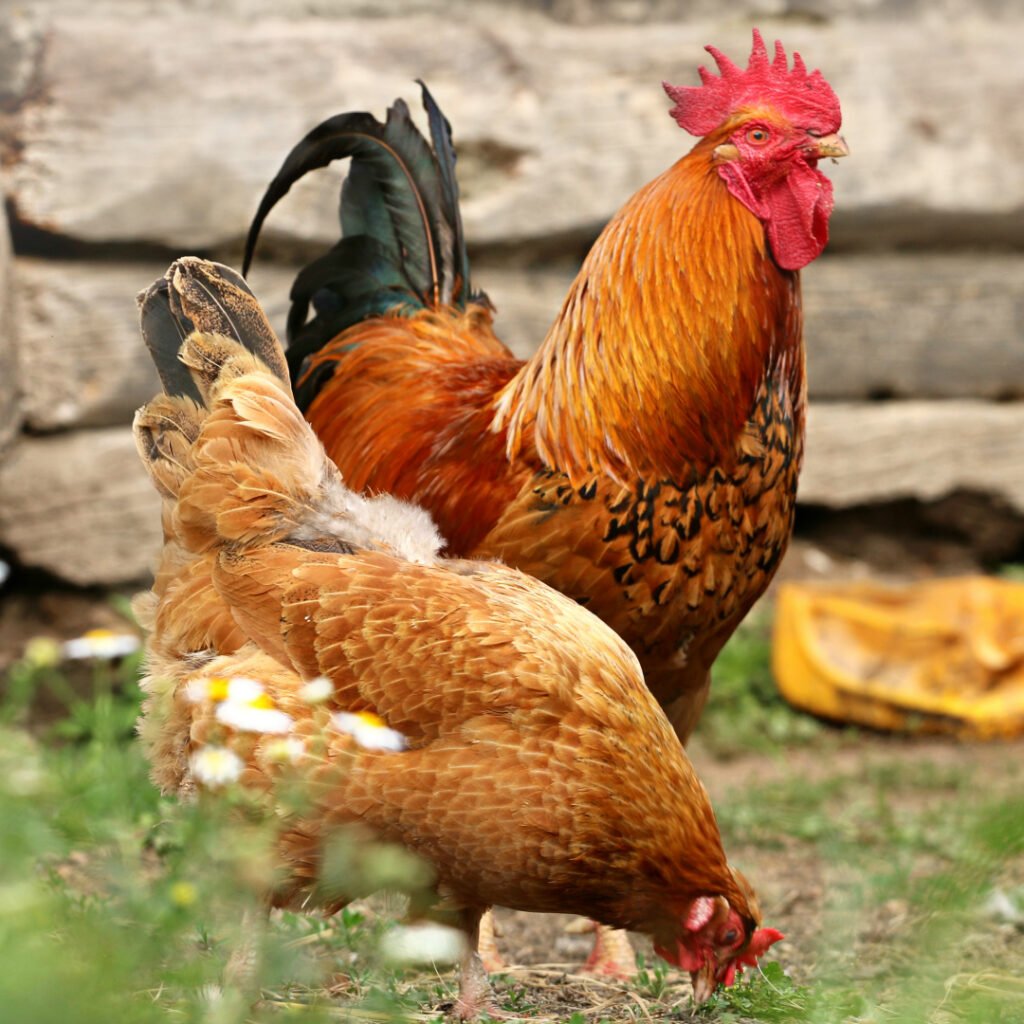
Avian influenza remains an important concern for poultry health, global food production, and animal disease surveillance. The continued circulation of avian influenza viruses among domestic and wild birds highlights the importance of early detection, veterinary investigation, and effective biosecurity measures. In 2026, international animal health organizations continue to emphasize surveillance…
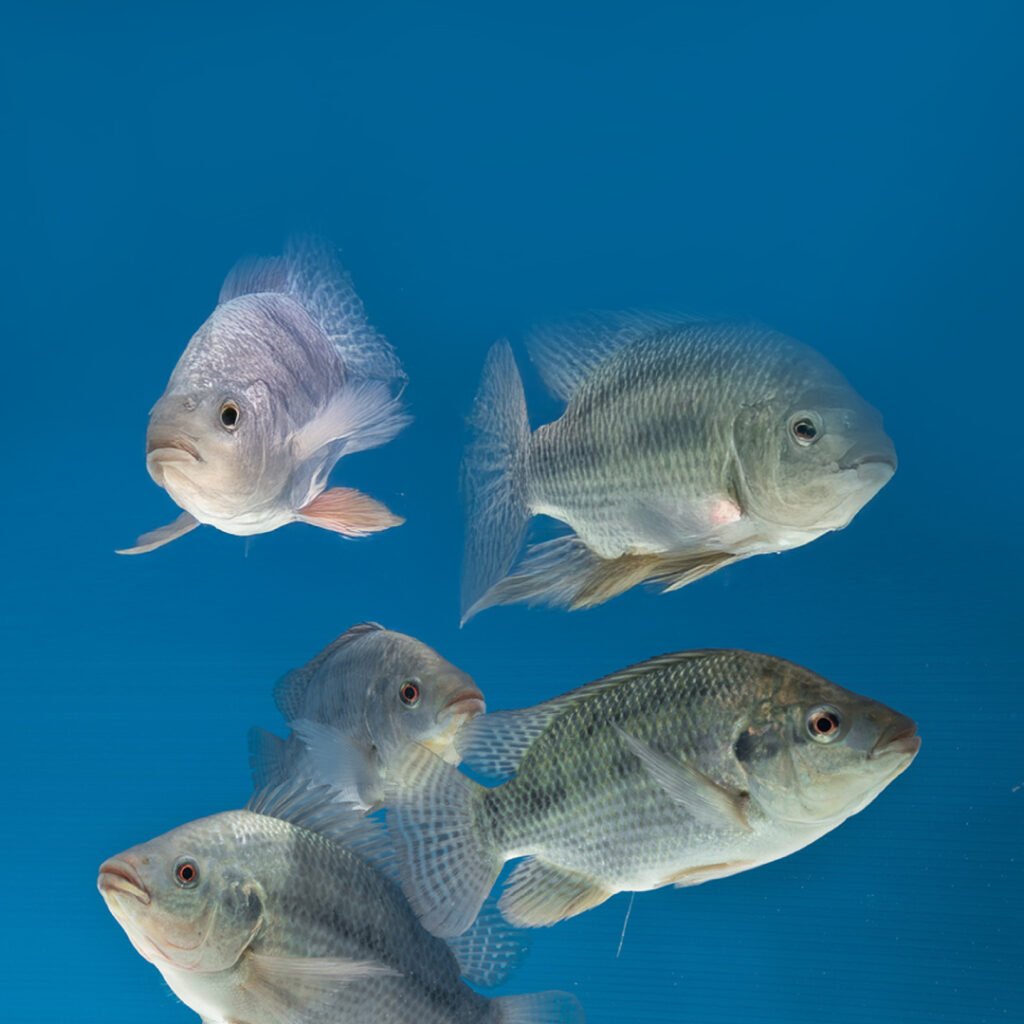
Tilapia Lake Virus: Critical Insights for Stronger Aquaculture Health

Aquaculture continues to play an increasingly important role in global food production, livelihoods, and economic development. At the same time, expanding production systems face evolving disease threats, environmental pressures, and new biosecurity challenges. In August 2026, the World Organisation for Animal Health (WOAH) highlighted several priorities for strengthening aquatic animal…

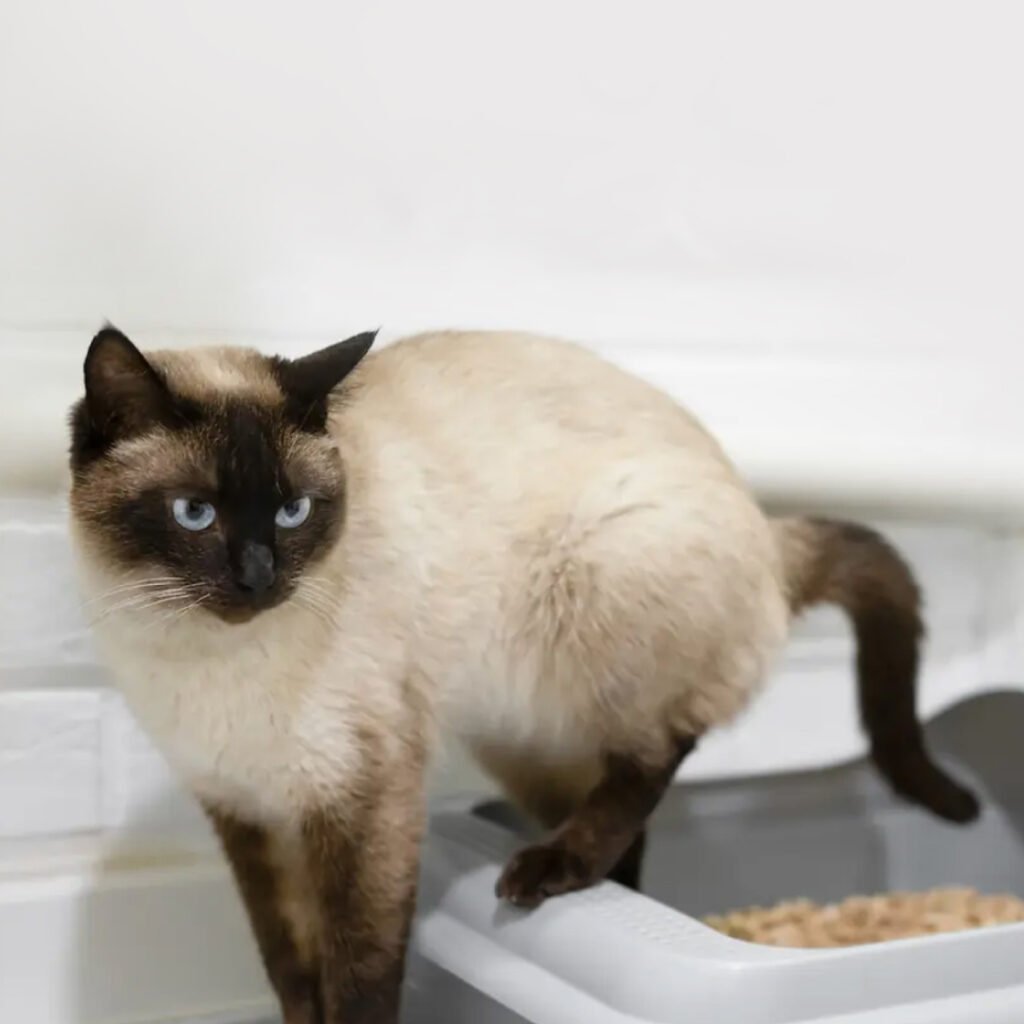
Feline Gastrointestinal Infections: Powerful Insights from Multi-Target qPCR

Why Can Feline Diarrhea Be Difficult to Investigate? A single episode of diarrhea may follow a dietary change or stress, but persistent or recurrent gastrointestinal signs can have many possible causes. Infectious gastrointestinal disease in cats may involve viruses, bacteria, or protozoal parasites. Cornell notes that prolonged diarrhea, particularly when…

Feline Respiratory Disease: Understanding the Pathogens Behind the Signs

Why Do Cats Develop Respiratory Disease? Sneezing once or twice may not seem unusual, but persistent sneezing, nasal discharge, watery eyes, conjunctivitis, fever, or reduced appetite can indicate respiratory disease. The term feline respiratory disease complex describes respiratory illness that may involve several viral and bacterial agents. Feline herpesvirus type…

Recognizing Canine Leishmaniosis: From Clinical Signs to Antibody Testing

What Is Canine Leishmaniosis? Canine leishmaniosis is a vector-borne disease primarily associated with Leishmania infantum, a protozoan parasite transmitted mainly through the bites of infected phlebotomine sand flies. Dogs are particularly important hosts for L. infantum, and infection may remain clinically silent for a period of time or develop into…