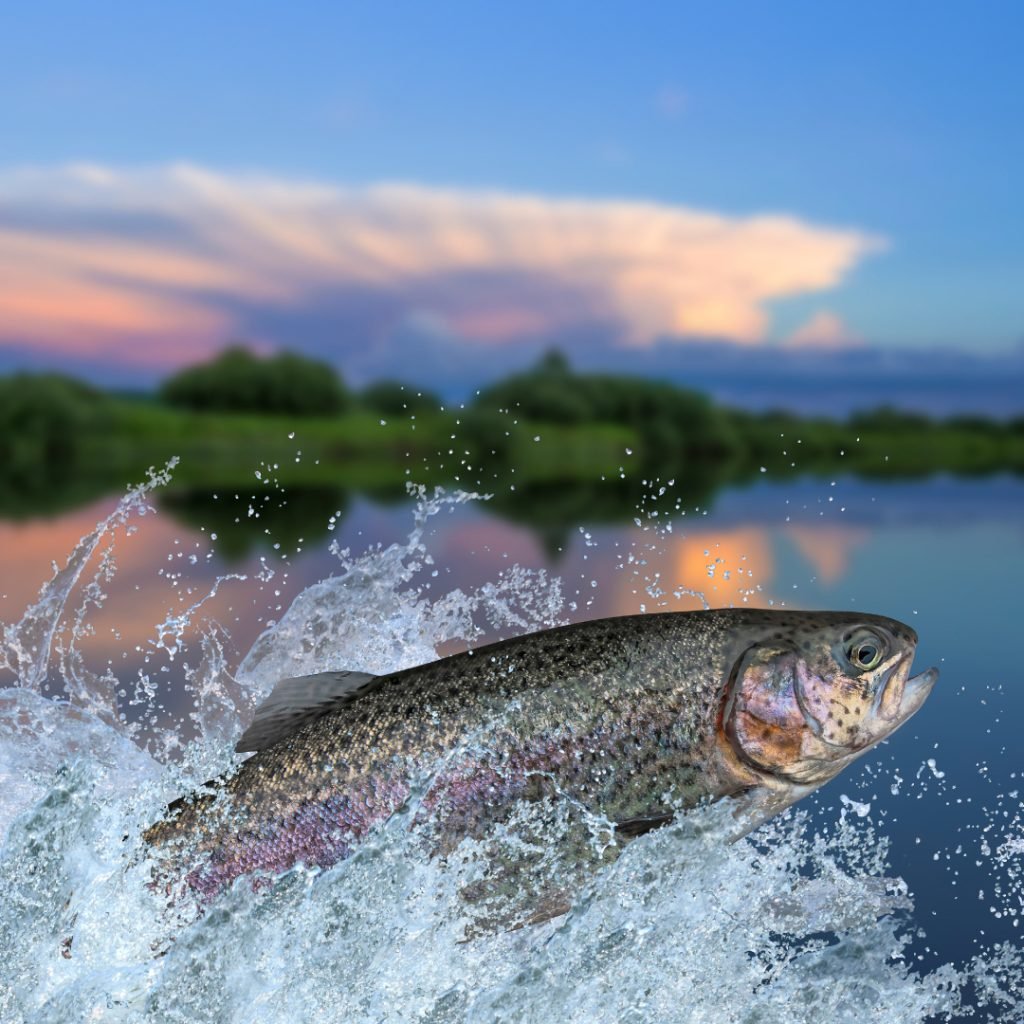
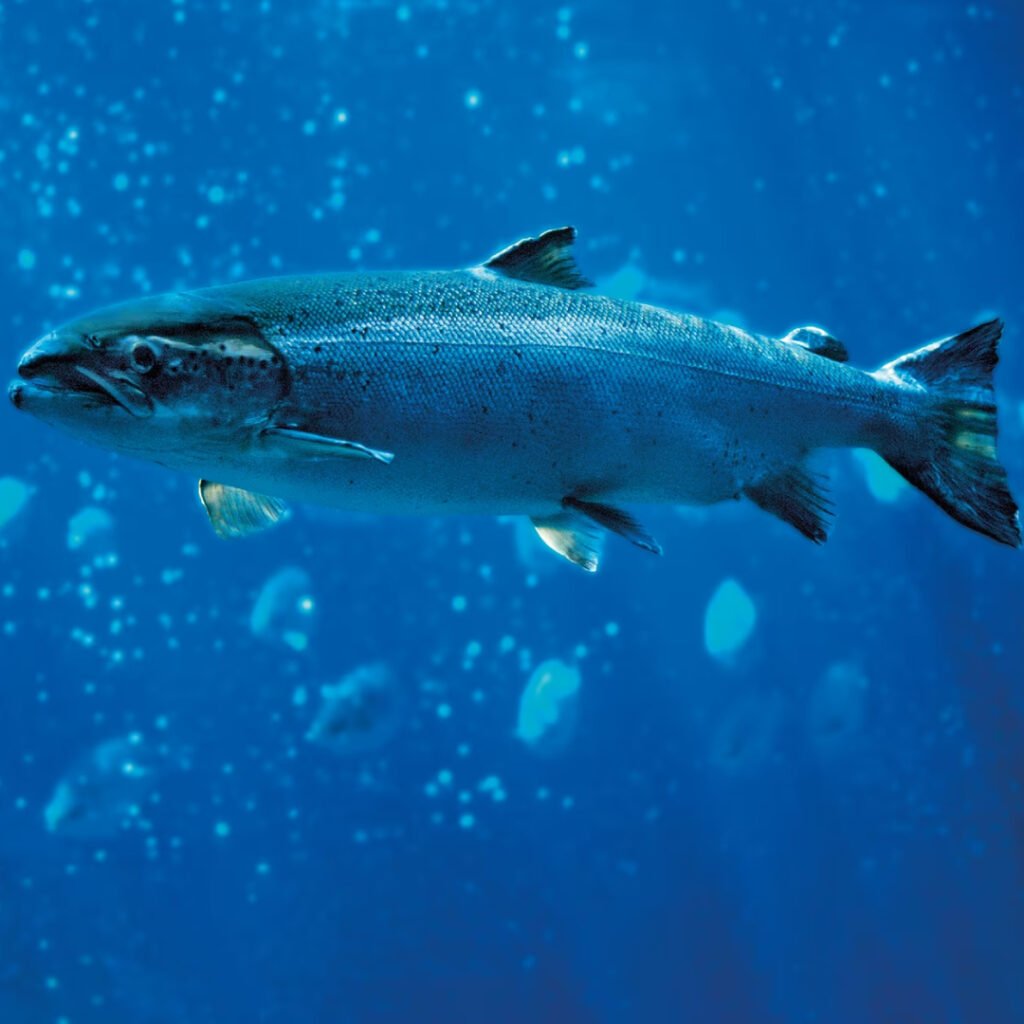
Salmonid rickettsial septicaemia (SRS), also called piscirickettsiosis, is an important bacterial disease of farmed salmonids. It is caused by Piscirickettsia salmonis, a Gram negative bacterium that can multiply inside fish cells, which supports persistence and systemic disease in aquaculture. SRS can lead to mortality, reduced growth, and higher treatment costs…
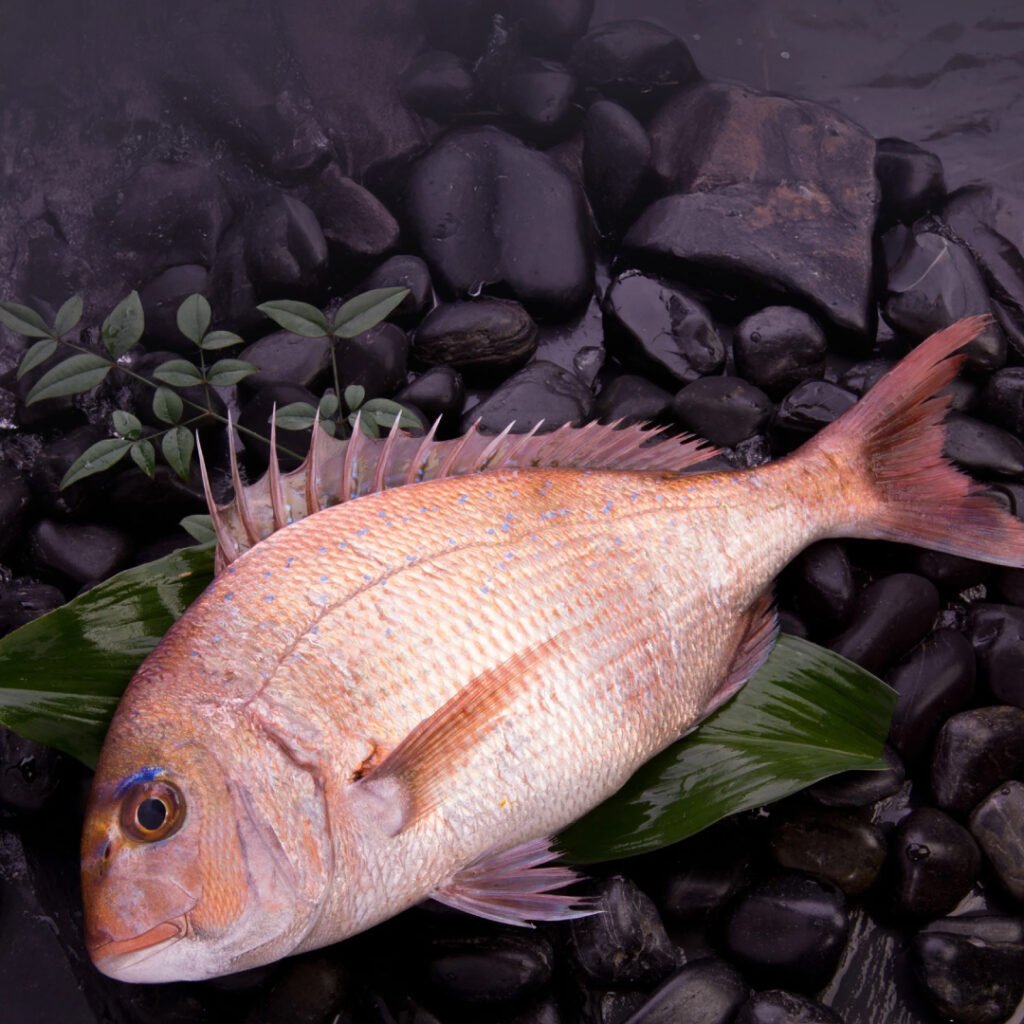
What Is Red Seabream Iridovirus? Red seabream iridoviral disease (RSIVD) is caused by red seabream iridovirus (RSIV), a double-stranded DNA virus in the genus Megalocytivirus within the family Iridoviridae. RSIV is a major cause of mortality in farmed red seabream (Pagrus major) and has been reported in many other marine…
Introduction Tiny yellow bacterium, single deadly mission. Infiltrate young fish and rot them from tail to bone. In a quiet trout hatchery on a winter morning, everything looks still until you notice the fry. One by one, they go from darting in the current to drifting listlessly, a dark bruise…
Antimicrobial resistance (AMR) is a pressing global health concern that affects humans, animals, plants, and the environment. The World Organisation for Animal Health (WOAH) has recently released a landmark report highlighting the importance of addressing the misuse of antimicrobials in the animal industry. In this blog, we delve into the…